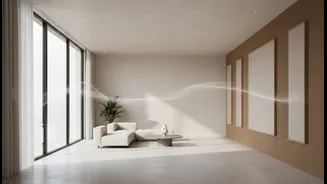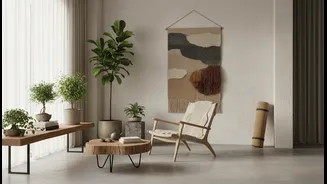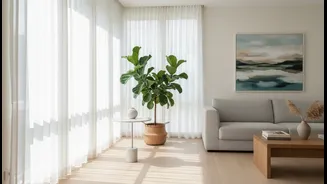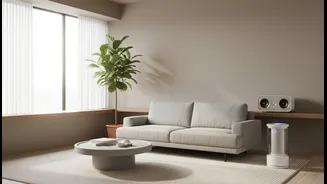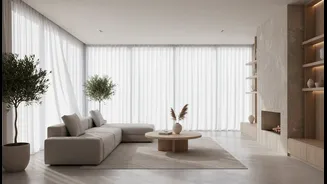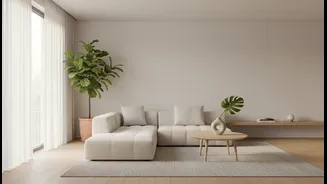







From Aesthetic to Atmosphere
The first wave of home wellness taught us the joy of a tidy, organized space. It was about creating a home that looked good and, by extension, made us feel good. This focus on aesthetics, however, was just the beginning. The new frontier of home wellness is about cultivating
an atmosphere that actively supports our health. Designers and homeowners alike are now asking not just how a home looks, but how it feels. They are prioritizing elements that regulate our nervous system and help us recover from the pace of modern life, creating restorative spaces for quiet, breathing, and disconnecting.
The Air We Breathe Indoors
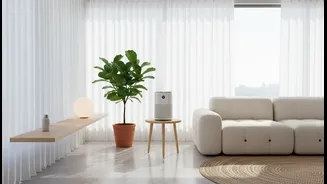
We spend about 90% of our time indoors, where pollutant concentrations can be two to five times higher than outside. This has brought a sharp focus to indoor air quality. The new wellness-driven home is one that lets you breathe easier, both literally and figuratively. This goes beyond a simple air purifier. It involves better ventilation systems, using building materials that don't release harmful volatile organic compounds (VOCs), and choosing natural, non-toxic products for furniture and finishes. Materials like natural gypsum, non-toxic plasters, and flooring made from cork or linoleum are gaining traction over synthetic options that can pollute indoor air. Poor air quality is linked to everything from headaches and fatigue to respiratory diseases and heart conditions, making clean air a fundamental luxury.
Let There Be (the Right) Light
Light doesn't just illuminate a room; it calibrates our internal body clocks, or circadian rhythms. The old approach to lighting was purely functional, but today's wellness-focused design harnesses light to improve sleep, mood, and productivity. The key is dynamic lighting that mimics the natural progression of the sun. This means cooler, brighter light in the morning to promote alertness and a gradual shift to warmer, dimmer light in the evening to help the body prepare for rest. Access to natural daylight is paramount, but for times when that's not possible, smart circadian lighting systems can automatically adjust throughout the day, supporting our biological needs.
Bringing Nature In, Scientifically
The trend of adding houseplants was a step in the right direction, but the concept of biophilic design goes much deeper. It's a science-backed approach to creating environments that nurture our innate connection to nature. This can mean maximizing views of the outdoors, but it also involves using natural materials like wood and stone, incorporating natural patterns and shapes, and even considering non-visual elements like the sound of water or airflow variability. Studies show that exposure to these natural elements can reduce stress, lower blood pressure, and improve cognitive function. The goal is to create spaces that collaborate with nature to ground us in the natural world.
Designing for a Calmer Mind
Perhaps the most significant shift is the growing focus on how our homes impact our mental and emotional health—a field known as neuroarchitecture. This discipline explores how elements like spatial layout, color, and texture can influence our brain function and mood. For example, open-plan layouts can sometimes create sensory overload, while creating smaller, dedicated zones for quiet and focus can soothe the nervous system. Even the shape of furniture matters; rounded edges are perceived as more calming than sharp angles. Creating spaces for stillness, whether a meditation corner or just a comfortable chair by a window, is becoming a design essential for mental well-being.