



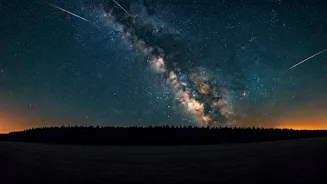


An Exceptional Year for Stargazers
For sky-watchers in India, 2026 is shaping up to be an excellent year for meteor showers, especially during the latter half. The key to a great meteor-spotting night is dark skies, and this year, the two most prolific showers—the Perseids in August and the Geminids
in December—peak during or near a new moon. This means moonlight won't wash out the fainter shooting stars, offering perfect conditions. While the monsoon can be a challenge for the August Perseids in many parts of India, regions with less rainfall like Ladakh and Spiti Valley offer a fantastic chance for clear skies. December, however, generally brings clear post-monsoon skies across the country, making the Geminids a can't-miss event.
August's Grand Show: The Perseids
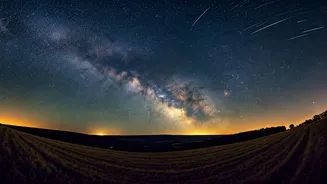
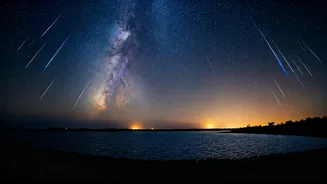
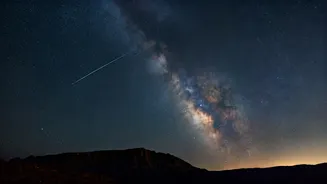
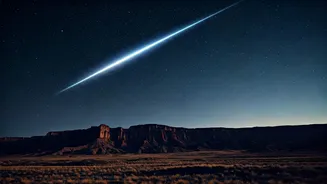
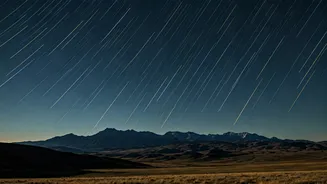
The Perseid meteor shower is one of the most beloved celestial events, known for its bright and plentiful meteors. Caused by debris from Comet Swift-Tuttle, the shower is active from mid-July to late August. In 2026, the peak occurs on the night of August 12-13. Best of all, this coincides perfectly with a new moon, ensuring the darkest possible skies for a stunning display. Under ideal conditions, you could see 50 to 100 meteors per hour. For the best view in India, head to a dark location after midnight, preferably between 2 a.m. and dawn, when the shower's radiant point in the constellation Perseus is high in the sky. While monsoon clouds can be a hurdle, a trip to drier regions like Ladakh, Spiti, or the Rann of Kutch could reward you with an unforgettable show.
October's Offering: The Orionids
The Orionid meteor shower, active from October 2 to November 7, is special because its meteors are tiny pieces of the famous Halley's Comet. The shower is set to peak on the night of October 21-22 in 2026, producing a more modest rate of around 10 to 20 meteors per hour. This year, viewing will be somewhat hampered by a bright waxing gibbous moon, which will wash out some of the fainter streaks. However, patient observers can still catch a good show, especially in the hours before dawn after the moon has set. Look for these swift meteors radiating from near the constellation Orion.
November's Leonids
Famous for producing spectacular meteor storms in the past, the Leonids are always worth watching, even in quieter years. Associated with Comet Tempel-Tuttle, they will peak on the night of November 17-18. Expect to see around 10 to 15 bright, fast meteors per hour. In 2026, the moon will be about half-full, causing some interference. However, it sets around midnight, leaving the prime viewing hours before dawn with darker skies. The Leonids are known for leaving persistent glowing trails, making them a beautiful sight.
December's Dazzling Finale: The Geminids
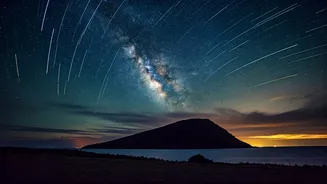
The Geminid meteor shower is widely considered the king of all meteor showers, and 2026 will be a prime year to see why. Peaking on the night of December 13-14, this shower can produce up to 120 multicolored meteors per hour in a dark sky. Unlike most showers, the Geminids originate from an asteroid, 3200 Phaethon. This year's peak coincides with a slim waxing crescent moon that sets early in the evening, leaving the rest of the night perfectly dark for the show. With clear winter skies typical for most of India in December, this is your best opportunity of the year. The best time to watch is from midnight until 4 a.m.
Your Essential Viewing Guide
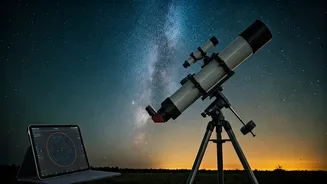
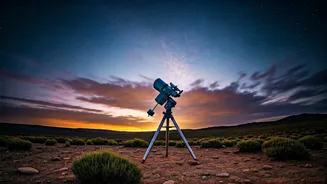
You don't need a telescope to enjoy a meteor shower; in fact, your naked eyes are the best tool because they offer a wide field of view. The most crucial step is to get away from city lights. Find a dark, open area where you can see as much of the sky as possible. Give your eyes about 20-30 minutes to fully adapt to the darkness—and try to avoid looking at your phone screen, as its white light will ruin your night vision. Dress warmly, lie back on a blanket or reclining chair, and look straight up. Patience is key, as meteors often come in spurts. Just relax and enjoy the cosmic display.