









Why Thunder Terrifies Your Pet
A pet's fear of thunderstorms is more than just a reaction to loud noise. Dogs and cats have hearing far more sensitive than our own, making the boom of thunder feel overwhelming. They can also sense changes in barometric pressure and the buildup of static
electricity in the air, often showing signs of anxiety like panting or pacing well before the storm hits. This combination of sensory overload triggers a natural fight-or-flight response. For them, the shaking, whining, and hiding are attempts to find safety from a threat they can't understand. This fear, or phobia, can often worsen with each exposure if not managed properly.
The Power of Proactive Training
The key to helping your pet cope is to start training long before the monsoon season begins. The most effective method recommended by veterinary behaviorists is a combination of desensitization and counter-conditioning. Desensitization involves exposing your pet to the sound of thunder at a very low, non-threatening level and gradually increasing the intensity over time. Counter-conditioning is the process of changing your pet's emotional response by pairing the scary sound with something they love, like a special treat or a favorite game. The goal is to slowly rewire their brain to associate thunder not with fear, but with a positive experience.
A Step-by-Step Guide to Sound Training
Begin by finding a high-quality audio recording of a thunderstorm; many are available online. Start by playing it at a barely audible volume while engaging your pet in a fun activity, like a game of fetch or offering them high-value treats like chicken or cheese. Keep these initial sessions short and positive, just five to ten minutes a day. Over many sessions, spanning days or even weeks, you can slowly increase the volume. It's crucial to watch your pet's body language. If they show any signs of fear—like flattened ears, panting, or refusing treats—you have gone too fast. In that case, stop the session and try again another day at a lower volume. The process must be gradual to be effective. Forcing them to listen at a high volume can backfire and make the fear worse, a process known as 'flooding'.
Create a Monsoon Safe Haven
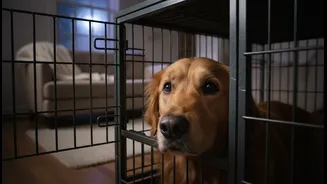
While sound training is a long-term solution, you also need a plan for when storms do arrive. Designate a 'safe space' in your home where your pet can retreat. This could be a crate covered with a blanket, a closet, or an interior room with no windows. Make this area comfortable with their favourite bedding and toys. When a storm is brewing, close the windows and curtains to muffle the sound and block flashing lightning. Playing calming classical music or turning on a white noise machine can also help mask the rumbles of thunder. Contrary to old advice, comforting your anxious pet will not reinforce the fear; your calm presence can help them feel more secure.
Other Tools and When to Seek Help
Beyond creating a safe space, other tools can provide comfort. Anxiety wraps or snug-fitting shirts apply gentle, constant pressure that has a calming effect on some pets. Pheromone diffusers, which release synthetic calming hormones, can also help reduce stress levels in the environment. For pets with severe phobias, where self-injury or destructive behaviour is a risk, it's essential to consult a professional. A veterinarian can rule out any underlying medical issues and may recommend anti-anxiety medication to be used in conjunction with behaviour modification. No pet should have to suffer silently through the storm season.