



A Deceptive Duo
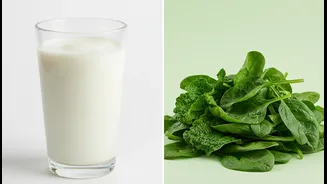
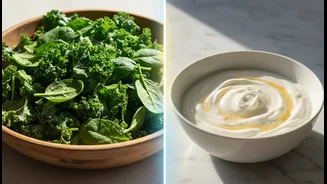
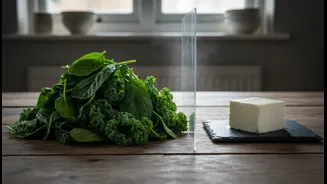
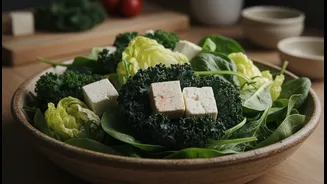
On the surface, a salad with spinach and paneer seems like a nutritional powerhouse. You get high-quality protein and calcium from the paneer, and a host of vitamins and minerals, including iron, from the leafy greens. It is a staple meal for vegetarians
and health-conscious individuals looking for a quick, filling, and nutrient-dense option. The logic seems flawless: combine a great source of protein with a great source of iron and fibre. However, when it comes to how your body processes these nutrients, the reality is far more complex. The very components that make each ingredient healthy can, when combined, work against each other. This leads to a nutritional traffic jam in your digestive system, preventing you from getting the full benefits.
The Calcium-Iron Conflict
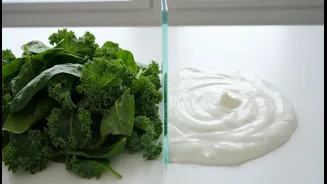
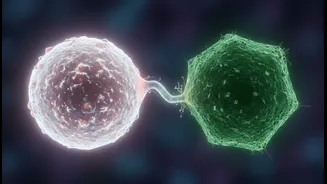
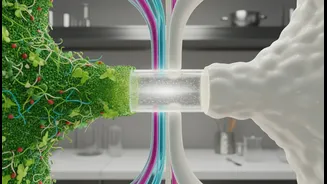
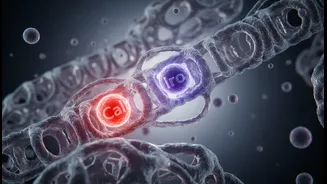
The primary issue lies in a fundamental conflict between calcium and iron. Both are essential minerals, but they are absorbed in the same pathway in your small intestine. When you consume a meal rich in both, they effectively compete for absorption. Calcium, especially when present in high amounts as it is in dairy products like paneer, tends to win this battle. It can significantly hinder the absorption of non-heme iron, which is the type of iron found in plant-based foods like spinach, kale, and other leafy greens. Studies have shown that calcium-rich foods can reduce non-heme iron absorption by as much as 50-60%. For a fitness buff relying on this salad for their iron intake, this means they might be getting far less of the mineral than they think, which can be a concern for energy levels and overall performance.
A Complication Called Oxalates
The paneer isn't the only factor at play here. Many of the most popular leafy greens, with spinach being a prime example, contain compounds called oxalates. Oxalates are natural substances that bind to minerals, including iron, forming insoluble compounds that the body cannot absorb. When you eat spinach, the oxalates present can lock up a portion of its iron, making it unavailable to you. So, when you combine spinach and paneer, you're potentially hit with a double-whammy of absorption inhibitors. The calcium from the paneer and the oxalates from the spinach both work to reduce the bioavailability of the iron in your meal. This doesn't mean spinach is unhealthy; it is packed with other nutrients. It simply means it's not the most efficient source of absorbable iron, especially when paired with a calcium-rich food.
Smarter Pairing for Better Absorption
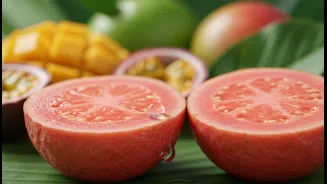
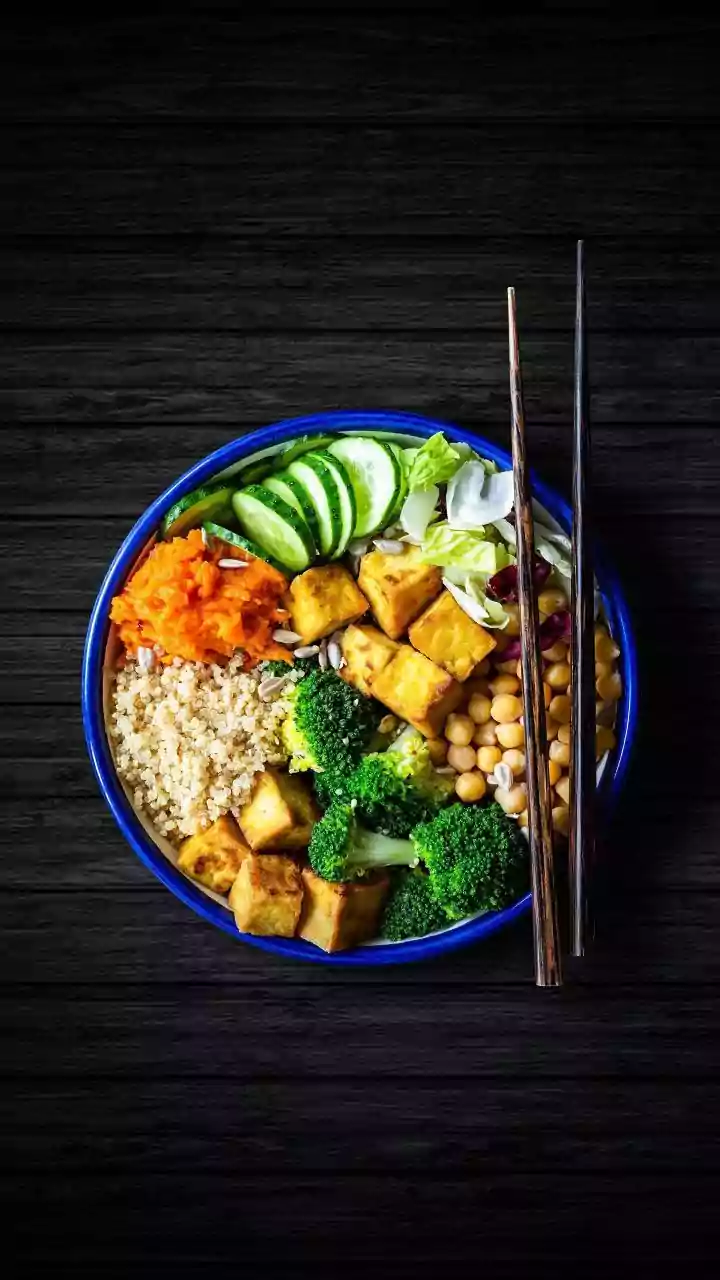
The solution isn't to banish paneer or spinach from your diet. It’s about being strategic. To maximize your iron absorption, try to separate your high-calcium meals from your high-iron meals by a few hours. For instance, have your paneer salad for lunch and an iron-rich lentil soup for dinner. The most effective strategy, however, is to add a source of Vitamin C to your iron-rich meals. Vitamin C dramatically enhances non-heme iron absorption and can help counteract the inhibiting effects of both calcium and phytates (another inhibitor found in grains and legumes). Squeezing lemon juice over your salad, or adding bell peppers, tomatoes, or strawberries can make a huge difference. You could also consider swapping paneer for a protein source lower in calcium, like chickpeas or lentils, in your leafy green salads to make the iron more accessible.