




The Rise of the Superfood Face Wash
The beauty world is officially in its foodie era. This trend goes beyond simply adding a fruit extract to a lotion; it’s about a fundamental shift in how products are formulated, packaged, and marketed. Brands are increasingly building their entire identity
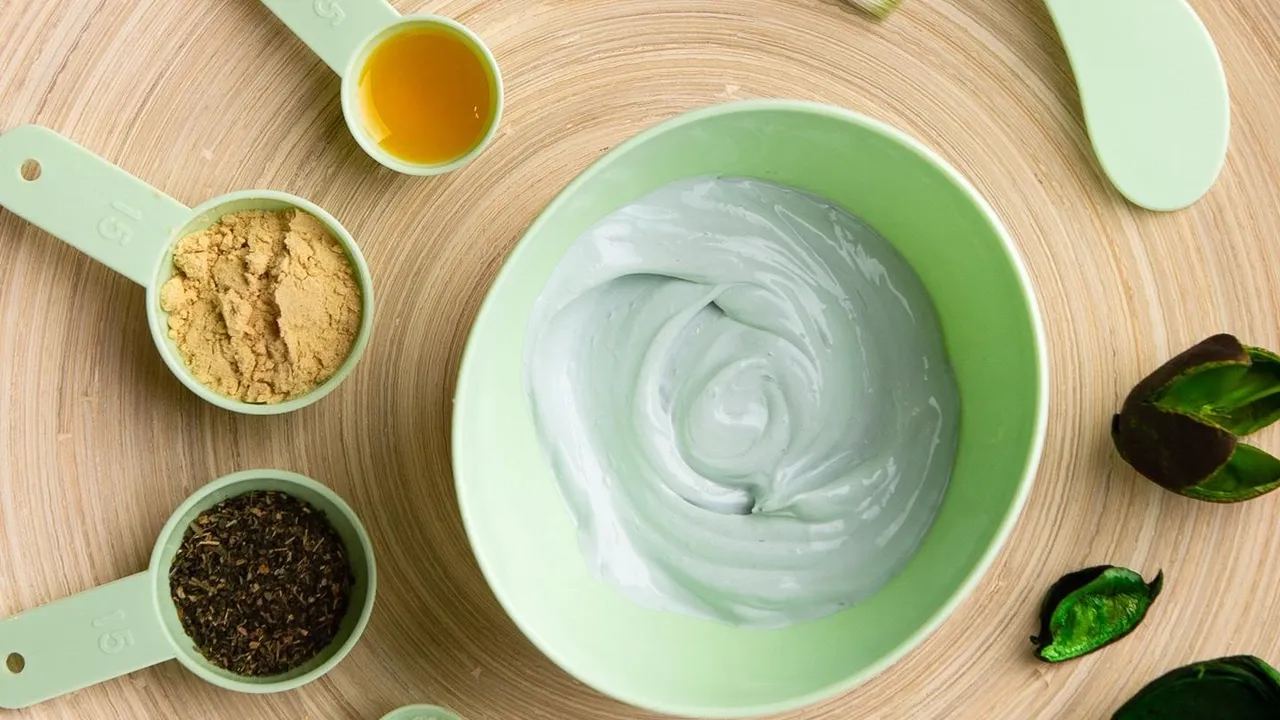
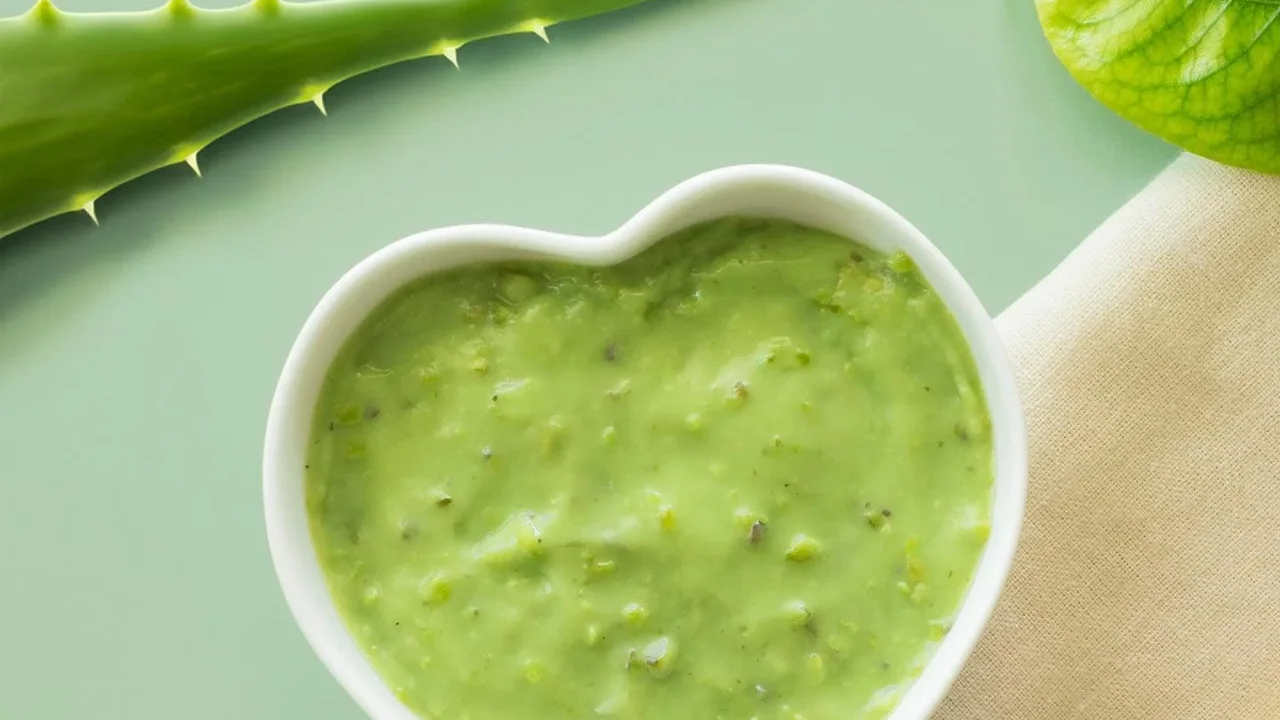
around ingredients you’d typically find on a grocery list. Think cleansers packed with leafy greens, serums celebrating berries, and moisturisers harnessing the power of oats and honey. It’s a move that transforms complex chemical names into something instantly recognisable and intuitively understood. Take the wildly popular Superfood Cleanser from Youth to the People. Its star ingredients aren't mysterious lab-made compounds but familiar superfoods like kale, spinach, and green tea. The brand itself describes the product as a "daily green juice for your skin," a metaphor that instantly connects with a health-conscious consumer. This approach demystifies skincare, making it feel safer, more natural, and easier to navigate.
An Appetite for Familiarity and Trust
So, why this sudden hunger for food-inspired beauty? The psychology is rooted in comfort, trust, and a multi-sensory experience. In an age of information overload and complex ingredient lists, the familiarity of a strawberry or an avocado provides an anchor of trust. If it's healthy to eat, the thinking goes, it must be good for your skin. This taps into a powerful desire for wellness and transparency. Consumers are more educated than ever, demanding to know what’s in their products. Using food ingredients makes the label easier to understand and aligns with a holistic vision of health that doesn't separate what you put on your body from what you put in it. Furthermore, food triggers deep emotional connections tied to nostalgia and indulgence. The scent of watermelon can evoke feelings of summer joy, while a creamy, buttery texture can feel like a comforting treat. This sensory engagement makes a routine feel like a ritual, turning a simple act of washing your face into a moment of self-care.
From Farm to Face: The Brands Leading the Charge
This trend is being championed by a host of innovative brands. Glow Recipe has built an empire on fruit-powered skincare, with bestsellers like their Watermelon Glow Niacinamide Dew Drops becoming a viral sensation. These products don't just contain fruit extracts; they celebrate them with vibrant packaging, bouncy textures, and refreshing scents that deliver a full sensory experience. Similarly, Youth to the People leverages cold-pressed extracts from superfoods like kale and spinach, promoting its cleansers as being packed with phytonutrients and vitamins. Other brands like Farmacy are known for products centered around honey and other farm-fresh ingredients. Even makeup isn't immune, with trends like "strawberry girl makeup" and "latte makeup" dominating social media, proving the influence of culinary cues on colours and aesthetics. It’s a movement that makes beauty feel both effective and deliciously appealing.
More Than Just a Pretty Package
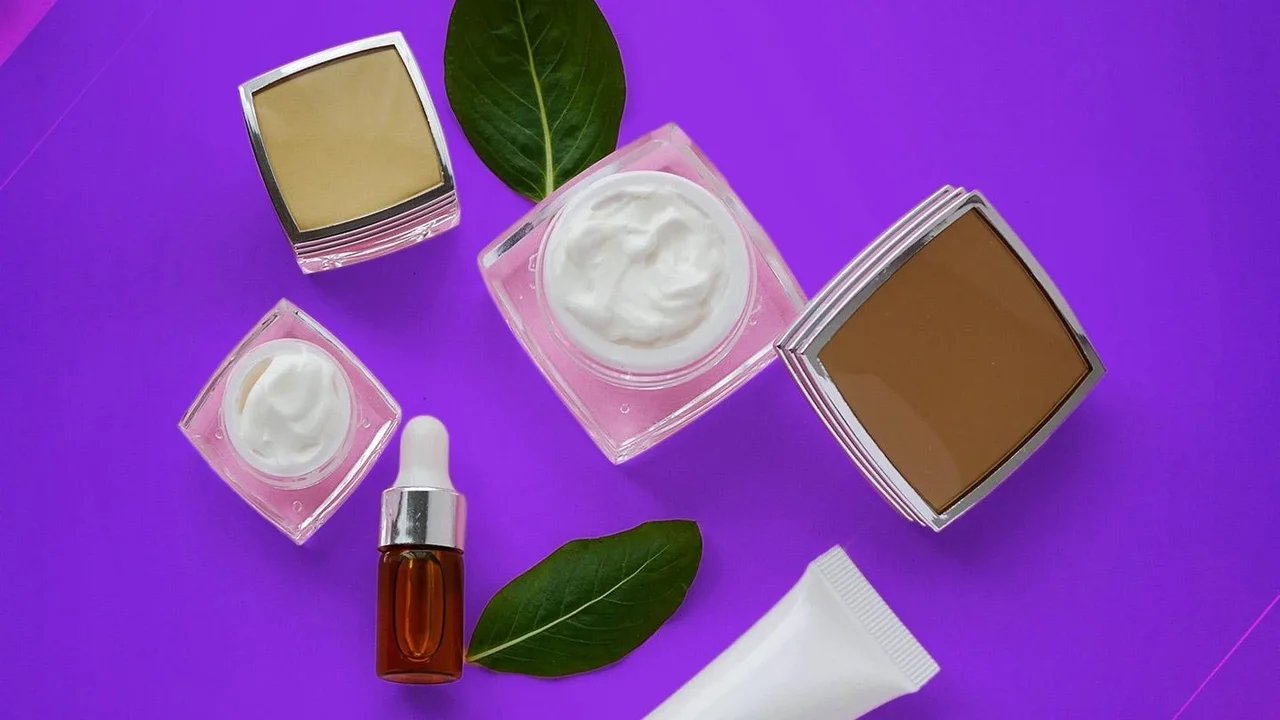
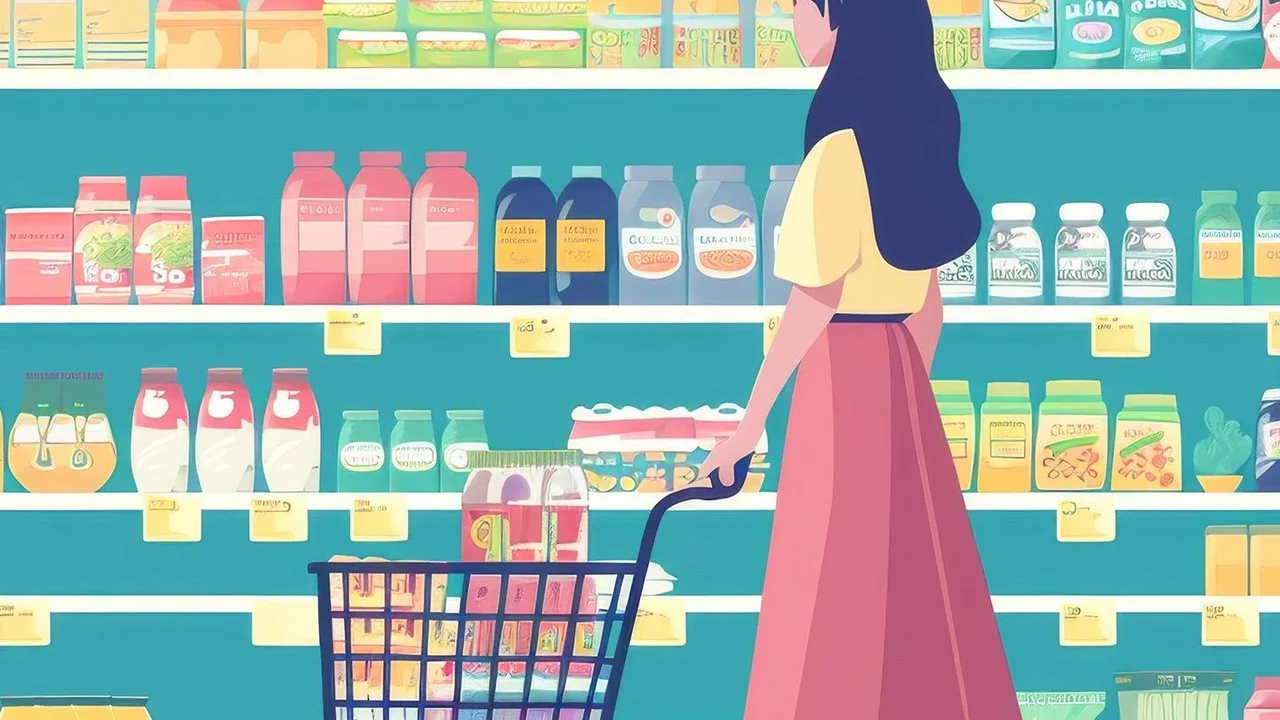
The grocery store inspiration extends far beyond the ingredient list. Packaging often mimics food containers, with moisturisers in jam-like jars, cleansers in juice bottles, and face masks in pouches that resemble yoghurt pots. This visual marketing is incredibly effective. It makes products stand out on a crowded shelf and creates an 'Instagrammable' moment that fuels user-generated content and social media buzz. The language used in marketing has also shifted. Product names like "Peptide Glaze" or descriptions of textures as "whipped" or "creamy" borrow directly from the culinary world to evoke a sense of indulgence and satisfaction. This isn't just a gimmick; it's a sophisticated marketing strategy that connects with consumers on an emotional and sensory level, making the products feel like a treat you can justify.