




The Cold-Pressed Difference: More Than Just Oil
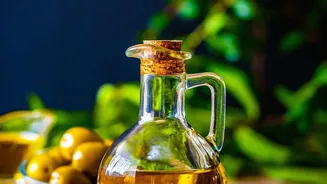
For generations, Indian kitchens ran on the distinct aromas of oils extracted in local 'ghanis' or wooden mills. This traditional method, known as cold-pressing, involves crushing oilseeds at low temperatures without using chemicals or high heat. The
process is slow and gentle, ensuring that the oil retains its natural flavour, aroma, and nutrients—things that are often lost during industrial refining. Refined oils are processed with heat and solvents to create a neutral-tasting product with a long shelf life. This stripping-down process, however, also removes the very compounds that give traditional oils their character. By choosing cold-pressed, you are choosing an oil that is not just a cooking medium, but a flavour ingredient in its own right, capable of transforming a good dish into a great one.
Mustard Oil: The Pungent Powerhouse
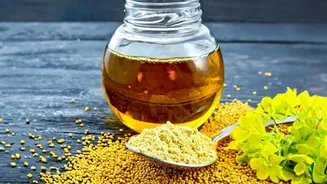
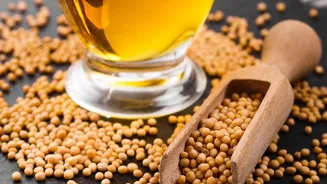
Cold-pressed mustard oil, or 'kachi ghani sarson ka tel', is the soul of many regional cuisines, especially in Bengal, Punjab, and Uttar Pradesh. Its defining characteristic is a sharp, pungent flavour that can make your senses sing. This kick comes from a natural compound called allyl isothiocyanate, which is preserved during the cold-pressing process. It’s this pungency that gives Bengali fish curries their signature taste, brings pickles ('achar') to life, and lends a smoky depth to dishes like Baingan Bharta. The robust flavour of cold-pressed mustard oil stands up to strong spices, enhancing them rather than disappearing into the background. Its high smoke point also makes it suitable for traditional high-heat cooking methods like frying pakoras and puris.
Sesame Oil: The Nutty Nectar of the South
Known as 'gingelly oil' or 'nalla ennai' in South India, cold-pressed sesame oil is cherished for its deep, nutty, and earthy aroma. It's an indispensable ingredient that defines the taste of many classic South Indian dishes. Think of the complex flavour of 'puliyogare' (tamarind rice), the perfect tempering ('tadka') for sambar and chutneys, or the rich taste it imparts when mixed with 'idli podi'. Unlike its refined counterpart, which is often light and bland, cold-pressed sesame oil carries the true essence of the sesame seeds. Its distinct, slightly sweet and nutty flavour profile is not just for cooking; a generous drizzle over steaming idlis or dosas is enough to transport you to a traditional South Indian kitchen.
Groundnut Oil: The Heart of Western India's Cuisine
Before refined oils became commonplace, cold-pressed groundnut oil was a staple for everyday cooking across Western and Central India. With its mild, sweet, and nutty flavour, it serves as a versatile and flavourful base for countless dishes. This oil enhances food without overpowering it. It’s the secret behind the authentic taste of Maharashtrian snacks like sabudana vada and the perfect tempering for Gujarati dals and shaak. Because it can withstand relatively high temperatures, it is excellent for shallow and deep frying, lending a beautiful crispness and a subtle nutty note to everything from samosas to bhajiyas. The unrefined nature means it carries the genuine aroma of roasted peanuts, adding a layer of richness that modern processed oils simply cannot replicate.