






The Indian job market is changing. While a degree has long been seen as the primary ticket to a great career, employers are now prioritising what you can do over what you've studied. This shift opens up new pathways for freshers to succeed.
The Shift to Skills-First Hiring
For decades,
a university degree was the non-negotiable first filter for most recruiters in India. Today, that model is showing its age. Companies are realising that academic qualifications do not always guarantee job readiness, especially in fast-evolving fields like technology, digital marketing, and AI. A significant gap exists between what universities teach and the practical skills industries need. As a result, major companies are increasingly adopting 'skills-first hiring'. This approach evaluates candidates on their demonstrated abilities and competencies, not just their educational background. For fresh job seekers, this is a golden opportunity to compete based on talent, not just credentials.
Identify and Build In-Demand Skills
Your first step is to know what employers are looking for right now. In 2026, demand is high for a blend of technical and soft skills. Technical skills like data analytics, AI literacy, prompt engineering, cybersecurity, and cloud computing are highly valued. At the same time, 'human' skills are just as critical. These include communication, creative thinking, problem-solving, adaptability, and collaboration. You don't need a formal course to learn everything. Utilise online platforms, free courses, and workshops to build a 'skill stack' that combines technical know-how with strong interpersonal abilities. The goal is to become a problem-solver who can deliver value from day one.
Create a Portfolio That Proves Your Worth
A resume lists your skills; a portfolio proves them. For a fresher without extensive experience, a strong portfolio is your most powerful tool. It's a curated collection of your best work that provides tangible evidence of your capabilities. If you're a writer, showcase your articles. If you're a coder, share your projects on GitHub. For designers, a visual portfolio is a must. Even class assignments, personal projects, or volunteer work can be included to demonstrate your problem-solving approach and execution. A portfolio makes you memorable and gives hiring managers the confidence that you can do the job, significantly setting you apart from candidates with only a resume to their name.
Craft a Skills-Based Resume
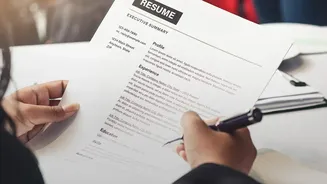
Traditional resumes, which lead with education and chronological work history, can be a disadvantage if you lack a degree. Instead, opt for a skills_based (or functional) resume. This format puts your abilities front and centre. Start with a professional summary that highlights your key capabilities. Then, create a detailed 'Skills' section organised by themes like 'Data Analysis' or 'Project Management'. Under each theme, use bullet points to provide concrete examples of how you've applied that skill. Your limited work or educational history can be listed briefly near the bottom. This structure immediately shows a recruiter what you can contribute, forcing them to evaluate your talent before even looking at your qualifications.
It's often said that up to 80% of jobs are filled through networking, not online applications. For a fresher, building a professional network is essential for bypassing the initial HR filters that might automatically screen you out based on degree requirements. Start with people you already know: former teachers, family friends, and peers. Use professional platforms like LinkedIn to connect with people in your target industry. Don't just ask for a job. Request 'informational interviews' to learn about their roles and gain advice. By building genuine relationships and clearly communicating your goals and value, you create advocates who can open doors for you.
Real world experience even on a small scale is invaluable actively seek out internships freelance gigs and volunteer opportunities These experiences do more than just build your resume they allow you to apply your skills in a professional context learn how businesses operate and expand your network Even if the role is unpaid or short term the practical knowledge and portfolio worthy projects you gain can be far more compelling to an employer than a degree certificate Document every project noting the challenge your actions and the result This transforms your experience into a powerful story you can tell in interviews and showcase in your portfolio