






Embrace The Great Indoors
The first step is shifting your mindset. Don't see indoor workouts as a lesser alternative; view them as an opportunity to focus on different aspects of your fitness. The controlled environment of your home allows you to concentrate on form, build foundational
strength, and explore new types of movement without worrying about slippery roads or sudden downpours. Your living room can become your personal fitness studio. You don’t need fancy machines to get a great workout. A small, dedicated corner is enough to get started. The key is consistency, not complexity.
The No-Equipment Foundation
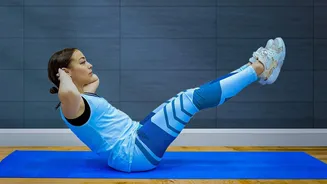
You can build significant functional strength using just your body weight. These exercises engage multiple muscle groups and are perfect for small spaces. Start with these fundamentals: Squats are brilliant for your lower body, targeting quadriceps, hamstrings, and glutes. Push-ups, which can be modified by doing them on an incline against a wall or chair, work your chest, shoulders, and triceps. Planks are fantastic for developing core stability, which supports your posture and protects your lower back. Finally, lunges improve balance and help address strength imbalances between your legs. Aim for two to three rounds of 10-15 repetitions for each exercise.
Cardio Without The Pavement
Cardiovascular exercise is crucial for heart health and mood, and you don't need a treadmill. You can get your heart rate up with simple, effective movements at home. High knees, butt kicks, jumping jacks, and spot jogging are excellent choices. Burpees are another powerful option that combines strength and cardio, working your entire body. For a fun twist, try dancing to your favorite music—it’s a fantastic way to burn calories and boost your spirits on a gloomy day. Even just 15-20 minutes of cardio can make a huge difference.
Discover The Power Of Yoga
The monsoon season can sometimes feel gloomy, making it a perfect time for the mood-lifting benefits of yoga. It helps combat stiffness that can arise from increased humidity and inactivity. Yoga is not just about flexibility; it also strengthens the immune system, which can be more vulnerable during this season. Practices like Sun Salutations can bring warmth and energy, while grounding poses like Mountain Pose provide a sense of stability. Best of all, yoga requires minimal space—just enough for a mat—making it an ideal indoor activity.
Structuring Your Weekly Plan
A structured plan prevents workout indecision and ensures you get a balanced routine. A common mistake for beginners is doing too much too soon, so aim for consistency over intensity. A good starting point is to schedule three to five workout sessions per week. A balanced weekly routine should include a mix of strength training, cardiovascular work, and mobility or flexibility. For example, you could dedicate two days to bodyweight strength training, two days to home cardio, and one day to a longer yoga and stretching session. This allows your body adequate time to rest and recover, which is just as important as the exercise itself.
Staying Motivated When It Pours
Motivation can wane on grey, rainy days. To stay on track, try a few simple tricks. Laying out your workout clothes the night before can provide a mental push to get started. Using a fitness app or a simple journal to track your progress can be highly motivating. Finding a workout buddy to check in with, even virtually, adds a layer of accountability. And remember, even a 15-minute workout is better than none. Starting small is the key to building a sustainable habit that will last all season long.