




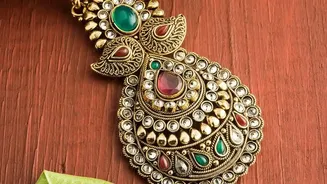

Understanding the Current Gold Rush
Gold prices have been volatile, though they remain near historic highs. This trend has many Indian households considering whether to sell or exchange old jewellery. The motivation isn't just about cashing in; for many, it's a strategic financial decision.
Some are booking profits on gold bought years ago at lower prices, while others see it as a chance to liquidate an idle asset for immediate cash needs like education or business expenses. This shift from merely exchanging old designs for new ones to selling for cash indicates that more people are viewing gold as a financial investment rather than just an emotional or traditional asset. However, timing the absolute peak of the market is nearly impossible, so financial advisors often suggest that if you have a genuine need, selling when prices are high is a reasonable strategy.
How Your Old Gold Is Valued
When you take your old jewellery to a buyer, the final value you receive is not the same as the day's market rate for new gold. The process involves a clear formula: the net weight of your gold in grams is multiplied by its purity and the current gold rate. Stones and other embellishments are removed before weighing. Purity is the key factor. For instance, 22-karat (22K) gold contains 91.6% pure gold, while 18K contains 75%. A jeweller will test this purity, often using a non-damaging Karatmeter in front of you, before quoting a price. This initial calculation gives you the gross value, but it's not the amount you'll walk away with.
Beware of Common Deductions
After determining the gross value, jewellers subtract certain charges. The most common are melting or refining fees, which typically range from 1% to 3% of the gold's value to cover the cost of turning old ornaments into pure, reusable gold. Some jewellers may also apply a 'wastage' deduction, especially for non-hallmarked items where purity isn't guaranteed. It's crucial to remember that you will not get back the 'making charges' you paid when you first bought the piece, as those fees covered labour, not the metal itself. Because these deductions aren't standardized across the industry, it's wise to get quotes from multiple jewellers before making a decision.
The Hallmarking Advantage (HUID)
Jewellery with a BIS (Bureau of Indian Standards) hallmark, particularly the six-digit alphanumeric Hallmark Unique Identification (HUID) number, fetches a better and more transparent price. The HUID number allows for the traceability of each piece, verifying its purity and origin through the BIS database. This system gives buyers confidence and simplifies the valuation process, often resulting in lower deductions. If your jewellery is not hallmarked, a jeweller will need to melt it to accurately test its purity, which can be a less transparent process. The HUID system is designed to protect consumers and ensure you get a fair value based on verified purity.
Selling for Cash vs. Exchanging for New Jewellery
You have two main options: sell your old gold for cash or exchange it for a credit towards a new purchase. Selling for cash provides immediate liquidity for other financial needs. Exchanging is often preferred if your goal is simply to upgrade your collection. Some jewellers offer better terms or promotions for exchanges, such as waiving certain deductions if you buy new jewellery from them. For example, some may offer zero deduction on the exchange value if you are purchasing diamond jewellery. Always clarify the terms for both options. The best choice depends on your personal goal—whether you need the money or a new ornament.
So, Should You Sell Before You Buy?
There is no single right answer, but you can make an informed choice. Selling now while prices are high could be a smart move, especially if the jewellery is unused or you need the funds. However, don't rush. The key is not to perfectly time the market but to get the best possible value on the day you decide to sell. Always compare offers from at least two or three trusted jewellers. Ask for a detailed breakdown of the valuation, including the weight, purity assessment, rate applied, and all deductions. If your jewellery is hallmarked, you are in a stronger negotiating position. Ultimately, the decision rests on your financial goals and your confidence in the transparency of the transaction.