






A Greener Welcome for Visitors
Kerala’s world-renowned tourism sector is evolving with a renewed focus on sustainability. The state’s Responsible Tourism (RT) Mission, which has been active for years, is now being bolstered by more specific and visible initiatives. These efforts are
designed to manage the environmental impact of tourism and ensure that the natural beauty drawing millions of visitors is preserved. Rather than being restrictive, these new measures are framed as an invitation for tourists to participate in the conservation of Kerala's unique ecosystems. The core idea is simple: to make destinations better for people to live in and, consequently, better for people to visit.
Meet the 'Green Marshals'
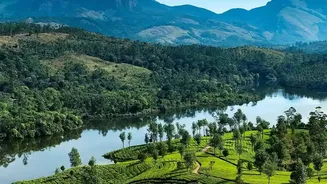
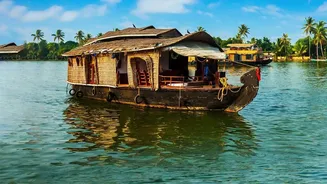
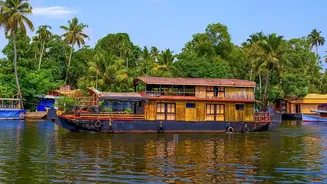
A key feature of this renewed push is the introduction of 'Green Marshals' at major tourist hubs like Munnar, Alappuzha, Kovalam, and Wayanad. Announced in the 2026 state budget, this pilot program deploys a visitor-friendly team tasked with proactive environmental stewardship. These marshals, wearing distinctive uniforms, are not just enforcers but also guides. Their responsibilities include encouraging compliance with the 'Green Protocol' (which aims to curb plastic use and littering), guiding tourists, providing information about local eco-friendly businesses, and monitoring safety. The goal is to shift from simply cleaning up after visitors to creating a culture of proactive care and responsible travel.
What This Means for Your Trip
For travellers, these new expectations translate into a more conscious and potentially more rewarding journey. The Green Protocol, a cornerstone of this effort, strongly discourages the use of disposable items like plastic bottles and bags. Tourists are encouraged to carry reusable water bottles and opt for materials like cloth or jute. At popular destinations, you may see more organized waste management systems and find user fees being applied to help manage the waste generated. The presence of Green Marshals means you have a designated, approachable person for information, from finding a certified homestay to understanding local customs. These measures are part of a larger plan to align the tourism experience with Kerala's long-term environmental goals, including studying the carrying capacity of popular spots to prevent over-tourism.
A Statewide, Community-Centred Effort
This initiative is not solely focused on tourists. It's a comprehensive strategy involving local communities, businesses, and government bodies. Kerala's Responsible Tourism model has always emphasized local economic benefits, connecting tourism businesses with farmers, artisans, and local guides. Hotels and resorts are encouraged to adopt sustainable practices through a state-level classification system that rewards environmental responsibility. The state is also investing in infrastructure, such as waste treatment plants specifically for tourism-related waste in places like Alappuzha, to support these green goals. This holistic approach ensures that the responsibility for sustainability is shared by all stakeholders, making the entire ecosystem more resilient and authentic.