


A Shift Driven by Health
One of the biggest drivers behind this trend is a growing awareness of health and nutrition. For years, the market has been dominated by polished white rice, which, while popular, loses a significant amount of its nutrients during processing. Consumers
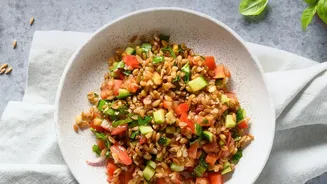
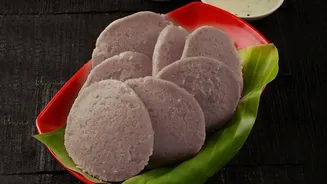
are now learning that traditional rice varieties, such as red, brown, and even black rice, are often nutritional powerhouses. Many of these indigenous grains are unpolished or minimally processed, which means they retain their bran layer. This layer is rich in fibre, vitamins, minerals, and antioxidants. Varieties like Kerala’s Navara rice, known for its medicinal properties in Ayurveda, and Tamil Nadu's Kullakar rice are gaining attention for having a lower glycemic index, which helps in managing blood sugar levels. This makes them an attractive option not just for diabetics but for anyone looking to make healthier dietary choices. Black rice, like Manipur's Chak-Hao, boasts high levels of anthocyanins, the same antioxidants found in blueberries.
The Allure of Authentic Flavours
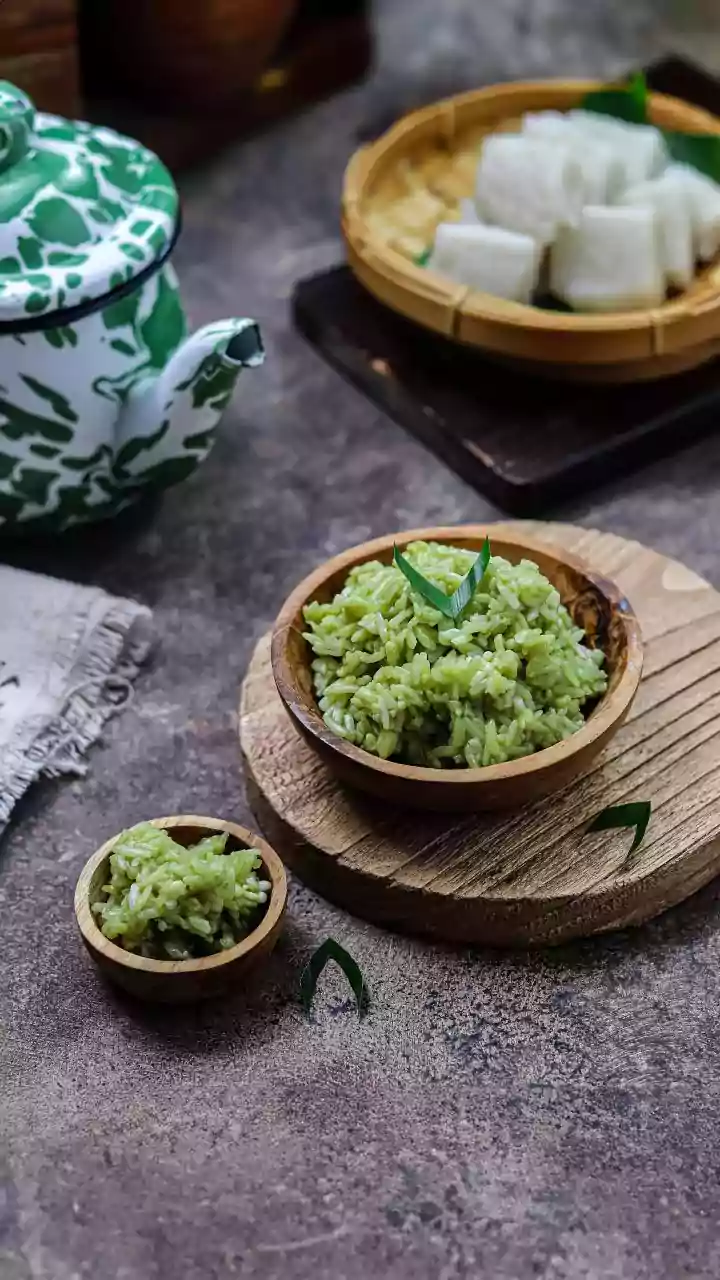
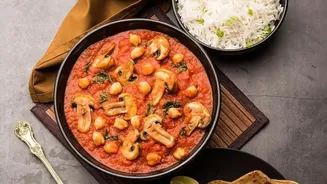
Beyond health, there is a culinary renaissance happening. Chefs and home cooks are looking past the uniform taste of commercial rice and exploring the unique flavours, aromas, and textures of heritage grains. Each regional rice tells a story of its land. West Bengal's Gobindobhog is a short-grained, sticky rice prized for its sweet, floral aroma, making it perfect for dishes like khichuri and payesh. Assam’s Joha rice is celebrated for its delicate, nutty fragrance that is distinct from Basmati. These varieties aren't just vehicles for curry; their inherent characteristics are becoming the star of the dish. This growing appreciation for culinary diversity is being championed by restaurants that are putting regional grains on their menus and by food influencers who are showcasing their versatility. This has encouraged consumers to experiment in their own kitchens, moving away from a one-size-fits-all approach to rice.
Sustainability and Supporting Local Farmers
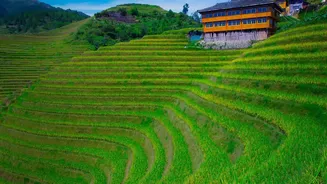
The conversation around food is increasingly tied to environmental impact, and rice is no exception. Many traditional rice varieties are inherently more sustainable. They are indigenous landraces, meaning they have adapted over centuries to local soil and climate conditions. This often makes them more resilient to pests, droughts, floods, and soil salinity, reducing the need for chemical fertilizers and pesticides. Kagga rice from coastal Karnataka, for example, can tolerate saline water, while Kerala's Pokkali rice is flood-resistant. By choosing these varieties, consumers are not only opting for a more eco-friendly product but are also supporting the smallholder farmers who have preserved these seeds for generations. This helps maintain agricultural biodiversity, which had been eroding due to the dominance of a few high-yield hybrid varieties.
Reconnecting with Cultural Roots
Finally, the return to regional rice is part of a larger movement of cultural rediscovery. In India, rice is more than just food; it is deeply woven into rituals, festivals, and regional identity. From being showered on newlyweds as a symbol of prosperity to its central role in harvest festivals like Pongal and Bihu, rice is a carrier of tradition. Many heritage rice varieties have received Geographical Indication (GI) tags, such as Gobindobhog, Joha, and Kalanamak rice, which officially recognizes their unique regional origin and protects their identity. This has boosted local pride and drawn national attention to these grains. For many consumers, buying and cooking with these rice varieties is a way to connect with their heritage, preserve culinary traditions, and pass on a piece of their cultural identity to the next generation.