







What is Climate Intervention?
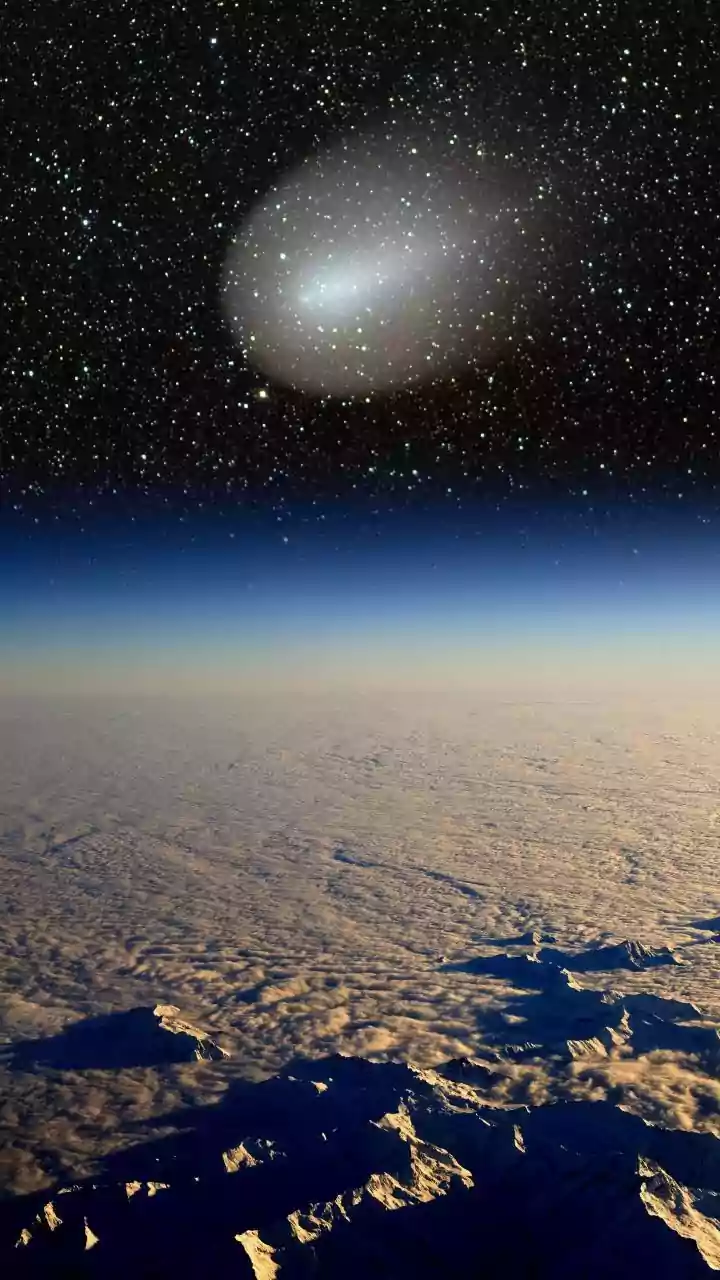
Climate intervention, also known as geoengineering, refers to deliberate, large-scale actions to counteract climate change. These proposals generally fall into two major categories. The first is Solar Radiation Management (SRM), which aims to cool the
Earth by reflecting a small fraction of sunlight back into space. The most-discussed method involves injecting tiny reflective particles, or aerosols, into the stratosphere, mimicking the cooling effect of a large volcanic eruption. The second category is Carbon Dioxide Removal (CDR), which involves technologies designed to pull CO2 directly from the atmosphere and store it, essentially trying to reverse our emissions.
Unpredictable and Dangerous Side Effects
The most significant concern, particularly with SRM, is the risk of unintended consequences. While computer models show that reflecting sunlight could cool the planet, it would not return the climate to its pre-industrial state. A major fear is the disruption of global weather patterns. Research suggests that SRM could dramatically alter rainfall, potentially weakening the vital Asian monsoon which provides water for billions of people. Other studies warn of impacts on the ozone layer and increased acid rain. Essentially, attempting to fix the global thermostat could create a new and unpredictable form of climate change, swapping one set of problems for another.
The 'Termination Shock' Problem
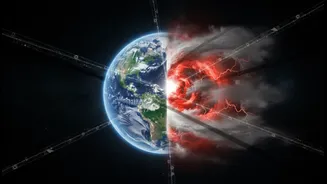
One of the most frightening risks of solar geoengineering is the “termination shock.” Because SRM only masks the warming effect of greenhouse gases without reducing them, it would need to be maintained continuously, potentially for centuries. If a deployment were to stop suddenly—due to political conflict, catastrophic failure, or economic collapse—the masked warming would re-emerge with terrifying speed. This rapid temperature spike would be far faster than the warming we are experiencing now, likely leading to devastating consequences for ecosystems and human societies unable to adapt.
Carbon Removal: Too Little, Too Late?
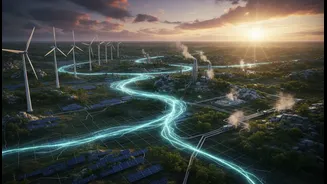
Compared to the radical nature of SRM, removing carbon dioxide from the air seems much safer. The problem is one of immense scale, cost, and energy. To make a meaningful impact, CDR technologies like direct air capture would require staggering amounts of energy and land. Some analyses suggest that scaling up direct air capture would require an enormous amount of renewable energy, potentially diverting it from the more urgent task of powering our homes and industries. Furthermore, there are concerns about the permanence of storage and potential environmental impacts, such as CO2 pipeline leaks. While necessary in the long run, many experts argue CDR cannot replace the immediate need to slash emissions.
A World of Ethical Dilemmas
Beyond the scientific and technical hurdles lie profound ethical and geopolitical challenges. Who would get to control the Earth’s climate? A technology like SRM could, in theory, be deployed by a single wealthy nation or even an individual, with worldwide consequences. What happens if a geoengineering project in one country causes droughts or floods in another? This raises the prospect of new geopolitical conflicts. There is also the “moral hazard” argument: the mere promise of a technological fix might reduce the urgency and political will to cut fossil fuel emissions—the only permanent solution to the climate crisis.