




The Original Superfood: What is Sattu?
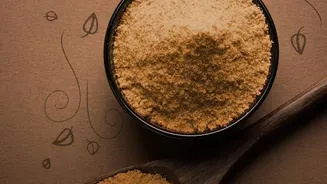
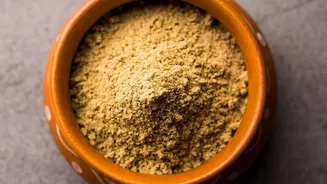
Before we reinvent the wheel, let's appreciate its design. Sattu is a flour made from roasted grains and pulses, most commonly Bengal gram (chana). This ancient ingredient, popular across Bihar, Uttar Pradesh, and Jharkhand, is celebrated for its incredible
nutritional profile. It's packed with plant-based protein, high in dietary fibre, and rich in essential minerals like iron, magnesium, and calcium. Unlike other flours, sattu is made from roasted ingredients, meaning it can often be consumed without extensive cooking. Its high protein and fibre content promote satiety, keeping you full and energised for longer, while its low glycemic index makes it a great option for managing blood sugar levels. Traditionally mixed with water, salt, and spices for a cooling summer drink, its earthy, nutty flavour is wonderfully versatile.
The Power-Packed Protein Smoothie
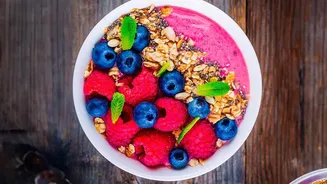
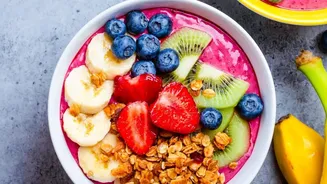
One of the easiest ways to modernise sattu is by blending it into a creamy smoothie. It’s a fast, no-cook breakfast that’s perfect for busy mornings or a post-workout refuel. Simply combine 3-4 tablespoons of sattu powder in a blender with one cup of milk (dairy or a plant-based alternative like almond or soy milk works well). Add a ripe banana for natural sweetness and a creamy texture, a spoonful of peanut butter for healthy fats, and a teaspoon of honey or a couple of dates if you prefer it sweeter. For an extra nutritional boost, toss in a tablespoon of chia or flax seeds. Blend until smooth. You can also experiment by adding a dash of cinnamon, a scoop of cocoa powder for a chocolatey twist, or a handful of spinach.
Fluffy Pancakes and Savoury Chillas
Move over, regular pancakes. Sattu can be whisked into batter to create both sweet and savoury versions. For savoury chillas, mix one cup of sattu with finely chopped onions, tomatoes, green chillies, and fresh coriander. Season with salt, turmeric, and cumin powder, then add water to form a smooth, thick batter. Pour ladlefuls onto a hot, greased tawa and cook on both sides until golden brown. For a sweet pancake, you can combine sattu with whole wheat flour, a little jaggery powder, milk, and a pinch of cardamom powder and baking soda to create a fluffy, wholesome stack. These pancakes offer a fantastic combination of protein from the sattu and complex carbs for sustained energy.
No-Bake Energy Bites
For a breakfast you can make ahead and grab on the go, sattu energy bites are a perfect choice. These require no baking and come together in minutes. In a bowl, mix one cup of sattu with a paste made from soft, seedless dates. Add two tablespoons of peanut or almond butter, a handful of chopped nuts like almonds or walnuts, and a tablespoon of mixed seeds such as pumpkin or sesame. Mix everything until it forms a cohesive, dough-like mixture. If it feels too dry, add a teaspoon of milk or water. Roll small portions of the mixture into bite-sized balls (laddoos). You can roll them in desiccated coconut for extra flavour and texture. Refrigerate for about 30 minutes to help them firm up.
Hearty Sattu Upma or Porridge
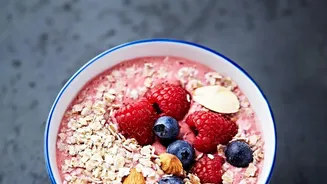
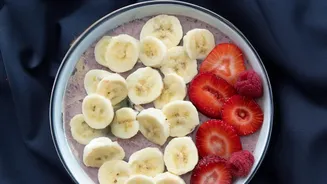
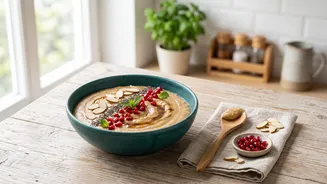
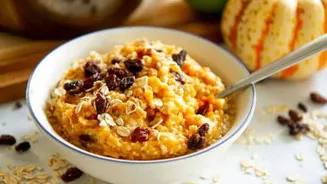
For those who prefer a warm and comforting breakfast, sattu can be used to create a unique and filling porridge or upma. To make a savoury upma, start by tempering mustard seeds and curry leaves in a pan. Sauté chopped onions and vegetables like carrots and peas. Instead of semolina (suji), slowly whisk in sattu and water, stirring continuously to prevent lumps until it thickens into a porridge-like consistency. For a sweet porridge, simply whisk sattu into warm milk until it thickens, and sweeten it with jaggery or honey. Top with fruits and nuts for a wholesome meal that is a fantastic alternative to packaged breakfast cereals.