

The Nutritional Power of Millets
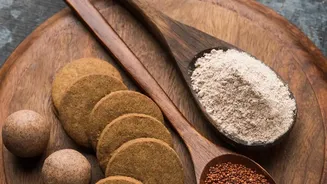
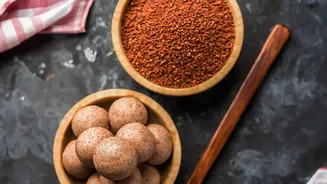
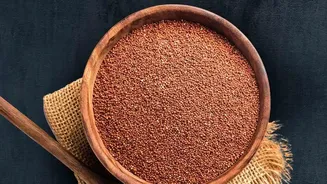
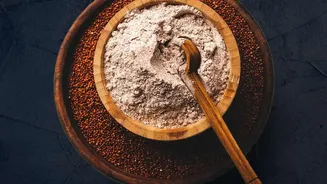
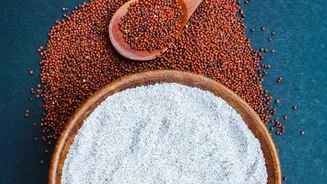
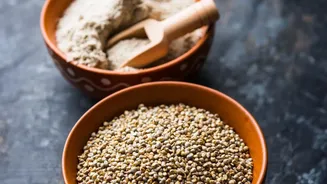
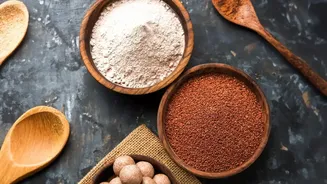
Ragi (finger millet) and bajra (pearl millet) are not new fads; they are ancient grains that have been staples in Indian households for generations. Their resurgence is thanks to their incredible nutritional profiles. Both are naturally gluten-free and rich
in dietary fiber, which aids digestion and helps you feel full longer. Ragi is a standout for its high calcium content, making it excellent for bone health, while bajra is rich in iron, protein, and magnesium, which contribute to energy levels and muscle function. Incorporating these flours into your baking is a simple way to add a wealth of nutrients like B vitamins and antioxidants to your diet.
Understanding the Flours
Success with ragi and bajra starts with understanding their unique properties. Unlike wheat flour, they are gluten-free, which means they lack the protein that gives bread its structure and elasticity. This results in denser, more crumbly textures. Ragi flour has a mild, nutty, and slightly earthy flavour, while bajra can be nutty with a slightly bitter note. Both flours are also very absorbent due to their high fiber content, meaning they require more liquid than wheat flour to avoid a dry final product. Acknowledging these traits is the first step toward adapting your recipes for delicious results.
Golden Rules for Millet Baking
Simply swapping wheat flour 1:1 with ragi or bajra usually leads to disappointment. Instead, follow these key principles. First, increase the liquid in your recipe. These flours are thirsty, so you'll need more milk, water, or oil. Second, since there's no gluten, you need a binder. Eggs are a natural choice, but for eggless baking, ingredients like yogurt, mashed bananas, flax eggs, or psyllium husk work wonders. A common strategy is to start by substituting only a portion, like 25-30%, of the wheat flour with millet flour and gradually increasing the ratio as you get comfortable. For many cakes and breads, a blend of ragi or bajra with whole wheat or another gluten-free flour often yields the best texture.
Start with the Right Recipes
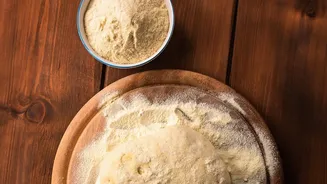
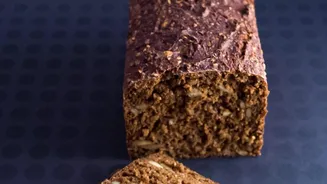
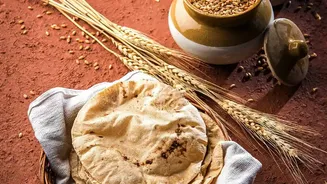
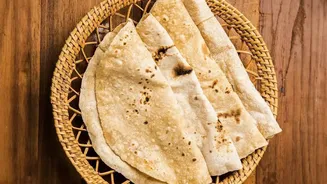
Not all baked goods are equally suited to these dense flours. Instead of aiming for a light, airy sponge cake, start with recipes where a denser, moist texture is a benefit. Cookies, brownies, muffins, and dense loaf cakes like banana bread are excellent starting points. Savoury bakes are also a great option; think crackers, flatbreads (rotis), and even pizza crusts where the rustic texture is a welcome feature. These types of recipes are more forgiving and allow the earthy flavours of the millets to shine.
Perfect Flavour Pairings
The distinct taste of these millets can be enhanced with the right partners. Ragi’s earthy profile pairs beautifully with rich, bold flavours. Chocolate is a classic match, as seen in many ragi brownie and cake recipes. Jaggery, banana, and warm spices like cinnamon and cardamom also complement ragi wonderfully. Bajra's nutty flavour works well in both sweet and savoury contexts. In sweet dishes, it pairs nicely with jaggery and nuts. For savoury baking, bajra is excellent with spices like cumin, carom seeds (ajwain), and coriander, making it ideal for masala rotis or savoury crackers.