






The Allure of the Natural Arsenal
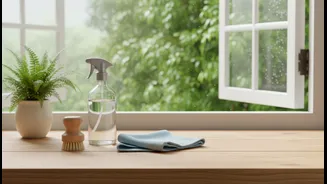
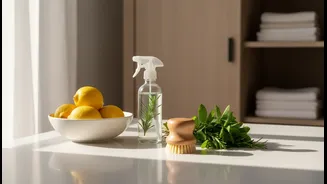
The move towards low-chemical cleaning is more than a trend; it's a practical shift for many households. Using pantry staples like white vinegar, baking soda, and lemon is cost-effective and reduces exposure to harsh synthetic compounds often found in commercial
cleaners. This is especially beneficial for homes with children, pets, or those with respiratory sensitivities. These simple ingredients are biodegradable and gentler on the environment. White vinegar, a mild acid, is excellent for cutting through the sticky film that coats surfaces in humid weather. Baking soda acts as a gentle abrasive and a powerful natural deodoriser, perfect for scrubbing grime and absorbing the musty odours that define the season.
Tackling Surface Mould and Mildew
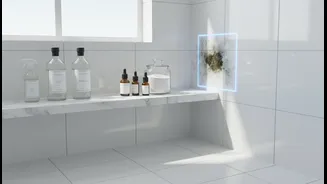
Mould and mildew are the most persistent monsoon problems, thriving in damp, dark corners. For small, surface-level patches on tiles or walls, undiluted white vinegar is highly effective. Its acidity helps kill many common species of mould. Simply spray the affected area with plain white vinegar, let it sit for about an hour, and then scrub and wipe clean. For extra antifungal power, you can add a few drops of tea tree oil to your spray bottle. However, this is the first crucial limit: vinegar is for non-porous surfaces with surface-level mould. It cannot penetrate porous materials like drywall or wood to kill the mould's root system.
Banishing Musty Monsoon Smells
That signature damp smell in closets and rooms comes from moisture trapped in fabrics and stagnant air. Your low-chemical toolkit is perfect for this. Placing open bowls of baking soda, coarse salt, or even charcoal briquettes in cupboards and corners can work wonders by absorbing both moisture and odours. For a pleasant scent, you can add a few drops of essential oils like lavender or eucalyptus to the salt. To freshen musty clothes, adding half a cup of vinegar or baking soda to the wash cycle can neutralise odours that cling to fabrics due to slow drying. The limit here is that these are primarily deodorising and moisture-absorbing techniques. They manage the symptom, but the root cause—excess humidity—still needs to be addressed through ventilation.
A Natural Defence Against Pests
The monsoon is an open invitation for insects. Low-chemical methods can act as effective deterrents. Mopping floors with water containing white vinegar or a few drops of neem oil can discourage ants and other crawling insects. Neem, with its powerful antifungal and insect-repellent properties, is a traditional and effective choice. Spraying a diluted solution of peppermint or eucalyptus oil around windows and doorways can also repel pests. The limit is clear: this is about prevention and deterrence, not extermination. For a mild issue, these methods are great. For a full-blown cockroach or termite infestation, natural repellents will not be enough to solve the problem.
When to Bring in the Heavy-Hitters
Knowing the limits of natural cleaning isn't a failure; it's smart home management. Widespread or recurring black mould is a serious health concern that DIY vinegar sprays cannot solve. If mould covers a large area or returns quickly after cleaning, it's time to call a professional for mould remediation. Similarly, if you are facing a significant pest infestation, a professional exterminator is the most effective and safest route. For disinfecting surfaces after an illness or for tougher mould stains on non-porous surfaces like tile grout, a diluted bleach solution can be necessary. If you use bleach, always ensure the area is well-ventilated, never mix it with other cleaners (especially ammonia or vinegar, which can create toxic gas), and follow dilution instructions carefully. A standard recommendation is about 5 tablespoons of bleach per gallon of water.