



An Unlikely, Perfect Union
At first glance, the pairing sounds almost eccentric. One is a classic Belgian breakfast staple, known for its fluffy interior and deep pockets perfect for holding syrup. The other is a beloved Indian dessert, a chaotic swirl of deep-fried batter soaked
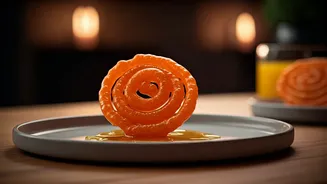
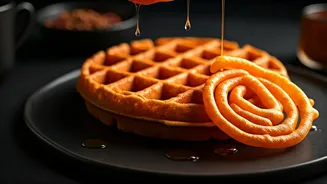
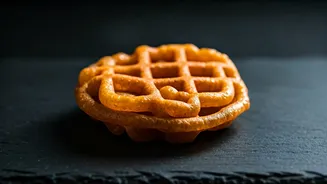
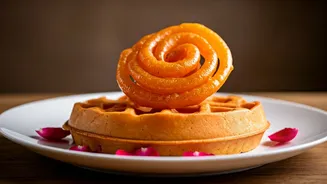
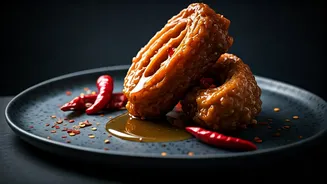
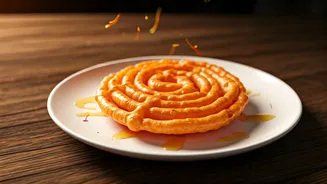
in sugar syrup, sticky, crispy, and intensely sweet. How could they possibly come together? The genius lies in the execution. Instead of pouring plain batter into a waffle iron, chefs are using jalebi batter—a fermented mix of flour that gives the sweet its characteristic slight tang. The batter is piped into the waffle maker in the iconic jalebi spiral. The result is a golden-brown creation that has the familiar grid-like structure of a waffle but the unmistakable flavour profile and crispy-chewy texture of a freshly made jalebi. It’s often served with a side of creamy rabri, a dusting of pistachio, or even a scoop of ice cream, elevating it from a simple sweet to a full-blown dessert experience.
The Magic of Nostalgia and Novelty
The success of the jalebi waffle isn't just about clever cooking; it’s about emotion. For many Indians, jalebi is pure nostalgia. It’s the taste of festivals, Sunday mornings, and street-side celebrations. A single bite can transport you back to childhood. Waffles, on the other hand, represent a more modern, globalised palate. They are a fixture in trendy cafes and a symbol of the leisurely, Instagram-worthy brunch culture that has swept across urban India. The jalebi waffle masterfully bridges these two worlds. It offers the comfort of the familiar while delivering the excitement of the new. It’s a dish that speaks to millennials and Gen Z who grew up with traditional Indian flavours but are also fluent in global food trends. It allows them to enjoy a taste of their heritage in a format that feels fresh, contemporary, and perfectly suited for their social media feeds. This combination of comfort and cool is a powerful recipe for success.
A Symbol of Modern Indian Cuisine
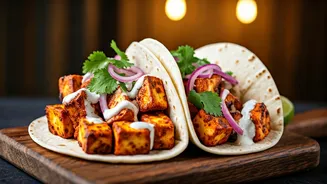
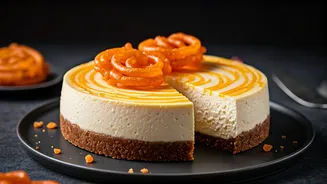
This delightful hybrid is more than just a passing fad; it’s a delicious example of a larger movement in modern Indian food. For years, 'fusion' food was often met with scepticism, sometimes resulting in confusing dishes that satisfied no one. But a new generation of Indian chefs is approaching fusion with more confidence and creativity. They are not simply mixing ingredients but thoughtfully deconstructing and reconstructing classic dishes. They understand the fundamental flavour profiles and textures that make a dish work, and they are using that knowledge to innovate in ways that feel authentic and respectful of tradition. The jalebi waffle isn't a gimmick; it’s a reinterpretation. It honours the soul of the jalebi—its sweetness, crispness, and unique fermented taste—while presenting it in a new and exciting form. This trend is visible across the culinary landscape, from gulab jamun cheesecakes to mutton curry tacos, signalling a culinary scene that is proud of its roots and bold enough to experiment.
The Brunch Star on the Rise
While not yet on every menu, the jalebi waffle is quickly becoming a star attraction in cafes and brunch spots known for their innovative offerings in cities like Mumbai, Delhi, and Bengaluru. It’s a dish that generates buzz. Diners are drawn in by curiosity and return for the delightful taste. It’s also a hit among home chefs and food bloggers, with countless recipes and variations popping up online. Some infuse the batter with saffron and cardamom, while others experiment with savoury versions. This grassroots popularity is helping to cement its place in India’s brunch lexicon. It’s a testament to the dish’s appeal that it can thrive both in high-end restaurant kitchens and in the hands of creative home cooks. It’s a versatile concept that invites personalization, ensuring it will continue to evolve.