




A New Space Race at Home
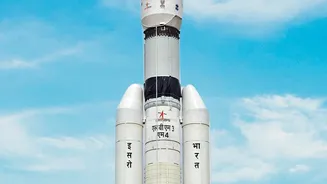
India's space sector is undergoing a monumental shift. What was once the exclusive domain of the Indian Space Research Organisation (ISRO) is now a bustling playground for private innovation. This transformation isn't about replacing the legendary institution
but about augmenting it. The rise of space startups is creating a dynamic public-private partnership poised to accelerate India's journey to becoming a global space powerhouse. The number of space startups has skyrocketed from just one in 2014 to over 400 in 2026, a clear indicator of the sector's explosive growth. These companies are not just vendors; they are becoming independent innovators in launch vehicles, satellite manufacturing, and data analytics.
The Policy That Opened the Airlock
A key catalyst for this boom is the Indian Space Policy 2023. This landmark policy formally opened the doors for Non-Governmental Entities (NGEs) to participate in end-to-end space activities. It redefined ISRO's role, allowing it to focus more on advanced research and development, scientific missions, and deep space exploration. To facilitate this transition, the government established the Indian National Space Promotion and Authorisation Centre (IN-SPACe) as a single-window agency. IN-SPACe's mandate is to promote, authorise, and supervise the activities of private players, providing them with regulatory clarity and access to ISRO's extensive facilities and expertise. This supportive framework has been crucial in lowering entry barriers and attracting private investment.
Fueling Innovation and Agility
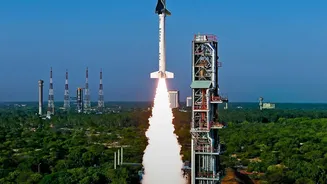
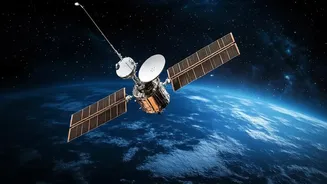
Startups bring a level of agility and niche specialisation that complements ISRO's large-scale, mission-focused approach. Companies like Skyroot Aerospace, which launched India's first privately developed orbital rocket, and Agnikul Cosmos, with its unique 3D-printed rocket engines, are revolutionising launch services. In the satellite domain, startups such as Pixxel are deploying constellations of high-resolution hyperspectral imaging satellites, providing valuable data for agriculture, energy, and climate monitoring. This private-led innovation is not only creating new technologies but also driving down costs, making space more accessible for a wider range of applications and customers.
An Engine for Economic Growth
The economic implications are immense. India’s space economy, valued at around $8.4 billion recently, is projected to soar to over $44 billion by 2033. This growth is expected to increase India's share of the global space economy from about 2% to 8%. Space startups are at the heart of this expansion, creating high-skilled jobs and fostering a domestic supply chain for critical components, from space-grade electronics to propulsion systems. Beyond the upstream activities of building rockets and satellites, the real economic opportunity lies in the downstream applications. Startups are developing solutions that leverage satellite data for sectors as diverse as agriculture, disaster management, logistics, and telecommunications, creating a ripple effect across the entire economy.
Competing on the Global Stage
By encouraging private enterprise, India is positioning itself to compete more effectively in the global space market. The cost-effective and innovative solutions developed by Indian startups make the country an attractive destination for international satellite launch services and data procurement. This shift from a government-led model to a collaborative ecosystem allows India to build industrial depth and create export-ready capabilities. The success of companies like Skyroot in launching commercial payloads and GalaxEye in securing international patents signals a new era where Indian private firms are not just participants, but leaders on the world stage.