








Why Awareness Is Critical This Season
The Southwest Monsoon is active across the country, with the India Meteorological Department (IMD) issuing regular warnings for heavy rainfall, thunderstorms, and strong winds in various states. For travellers, especially those heading to popular monsoon
destinations in the hills or coastal regions, these are not just advisories but essential safety information. Recent alerts for states like Uttarakhand, Himachal Pradesh, Goa, and Kerala highlight the real-time possibility of landslides, flash floods, and widespread travel disruptions. Being aware of the IMD's colour codes can be the difference between a memorable vacation and a travel nightmare, allowing you to make informed decisions about your itinerary and personal safety. The main purpose of this system is to simplify complex weather data and forewarn the public and disaster management authorities to reduce risk.
Green and Yellow: Stay Informed
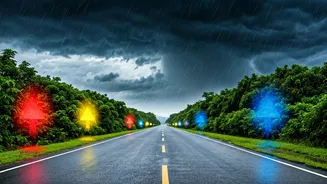
The IMD uses a four-colour system to denote the severity of weather conditions. A 'Green' alert means 'All is Well'. It indicates normal weather with no advisory needed, suggesting you can proceed with your activities as planned. A 'Yellow' alert, however, means 'Be Aware'. This is an instruction to keep yourself updated on the weather situation. It signifies the possibility of moderately bad weather that could change for the worse and potentially disrupt daily activities. For a traveller, a yellow alert is a signal to remain vigilant, check your route, and perhaps avoid low-lying areas prone to waterlogging. It doesn’t mean you must cancel plans, but it does mean you should be cautious and prepared for minor disruptions.
Orange Alert: Be Prepared to Act
An 'Orange' alert is a call to 'Be Prepared'. This warning is issued when extremely bad weather is expected, with a heightened risk of disruption. This can include heavy to very heavy rainfall, typically between 115.6 mm and 204.4 mm in 24 hours. An orange alert suggests a significant risk of flooding, road closures, power outages, and even landslides in vulnerable areas. For travellers, this is a serious warning. You should be ready to alter your plans significantly, avoid travel if possible, and ensure you have essential supplies. In hilly regions, an orange alert often precedes road blockages and increased danger from flash floods. Authorities advise against venturing into rivers or streams and may suspend activities like agricultural work or tourism in certain zones.
Red Alert: Take Immediate Action
The 'Red' alert is the highest level of warning and means 'Take Action'. It is issued when weather conditions are expected to be exceptionally severe, posing a significant threat to life and property. This typically involves extremely heavy rainfall (over 204.5 mm in 24 hours), widespread flooding, and major disruption to essential services like power and transport. During a red alert, your safety is the absolute priority. Non-essential travel should be completely avoided. Evacuation from high-risk areas might be ordered by local authorities. If you are a tourist in a region under a red alert, you should follow all instructions from officials, stay indoors, and postpone or cancel any planned excursions until the alert is lifted.
Practical Tips for Monsoon Travel
Beyond understanding the colour codes, safe monsoon travel requires practical preparation. Always check the weather forecast for your destination and the route you plan to take. Pack waterproof gear, including a good raincoat, waterproof footwear, and covers for your electronic devices and backpack. It's wise to carry a first-aid kit with basic medicines for common monsoon ailments, along with insect repellent. Be cautious with food and water; stick to bottled water and freshly cooked meals from clean establishments to avoid waterborne diseases. When driving, especially in hilly or unfamiliar areas, go slow and avoid travelling at night. Finally, always keep buffer time in your schedule, as delays are common during this season due to weather-related disruptions.