



Day 1: Arrival in Aurangabad & The 'Taj of the Deccan'
Your heritage journey begins in Aurangabad (Chhatrapati Sambhajinagar), a city steeped in Mughal history. Arrive and check into your hotel. For the afternoon, your destination is Bibi Ka Maqbara. Often called the 'Taj of the Deccan', this beautiful mausoleum
was commissioned by the Mughal emperor Aurangzeb in memory of his wife, Dilras Banu Begum. Its design was heavily inspired by the Taj Mahal, featuring a central dome, four minarets, and intricate marble latticework. It provides a serene and less crowded alternative to its famous counterpart in Agra. Spend the evening exploring the local markets before resting up for a big day of cave exploration.
Day 2: The Magnificent Ajanta Caves
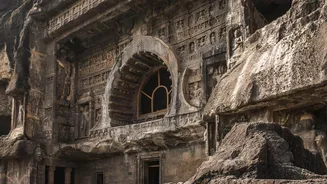
Dedicate your entire second day to the Ajanta Caves, a UNESCO World Heritage site located about 105 km from Aurangabad. It's best to hire a private car for the 2-3 hour drive and start early. The 29 rock-cut Buddhist caves, nestled in a horseshoe-shaped gorge, date back to the 2nd century BCE. Ajanta is world-renowned for its murals and paintings, which are among the finest surviving examples of ancient Indian art, depicting stories from the Jataka tales. Due to the distance and the sheer scale of the site, Ajanta requires a full day to appreciate properly. Remember that the caves are typically closed on Mondays.
Day 3: Ellora Caves & Daulatabad Fort
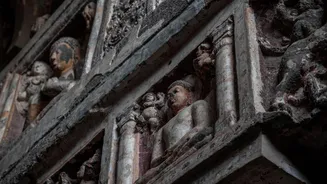
Today, you'll explore another UNESCO World Heritage site, the Ellora Caves, which are much closer to Aurangabad, only about 30 km away. Unlike Ajanta, Ellora features a mix of Buddhist, Hindu, and Jain temples and monasteries, showcasing the religious harmony of the era. The undisputed masterpiece is Cave 16, the Kailasa Temple, which is the world's largest single monolithic rock excavation. After exploring Ellora, make your way to the formidable Daulatabad Fort, located on the way back to the city. This 12th-century hill fortress is known for its ingenious and challenging defensive systems, including a moat and dark, winding passages. Note that the Ellora Caves are usually closed on Tuesdays.
Day 4: Journey to Mumbai & Colonial Grandeur
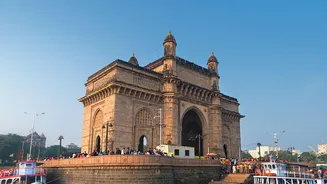
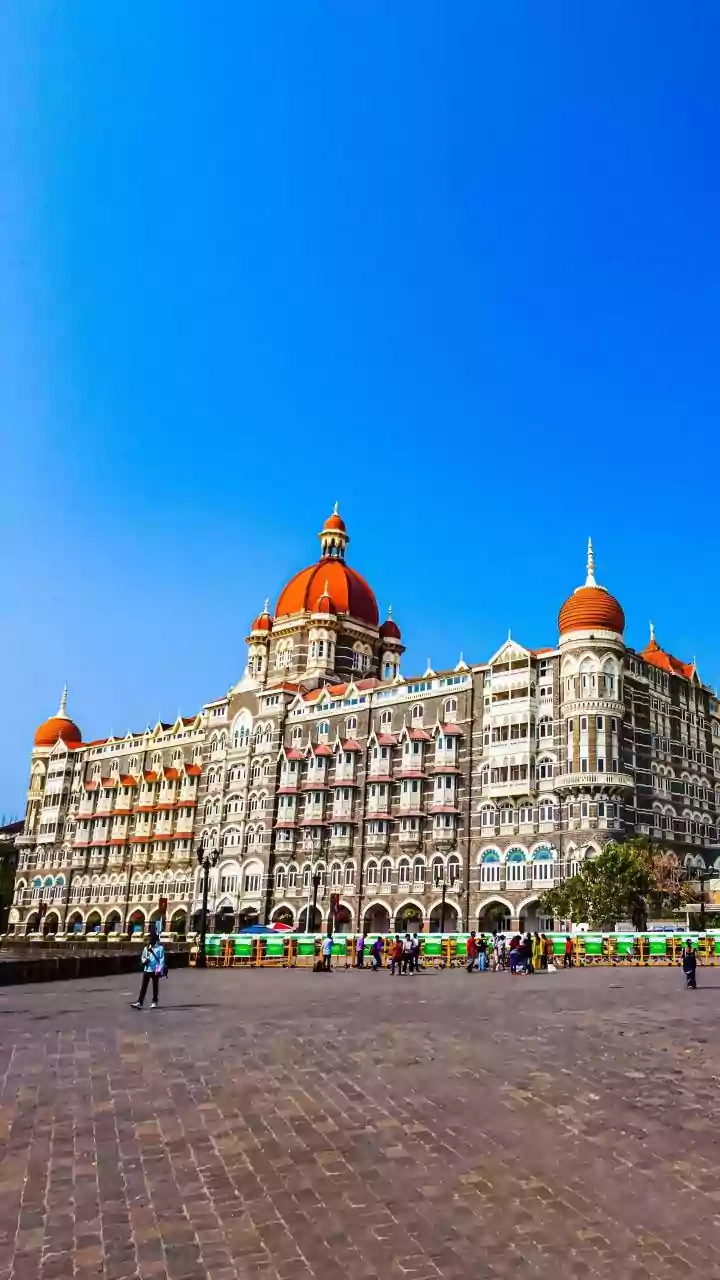
Check out from your hotel in Aurangabad and travel to Mumbai. You can take a short flight (approximately one hour) or an overnight train or bus for a more budget-friendly option. After arriving in Mumbai and checking in, begin your exploration of South Mumbai's colonial-era landmarks. Start at the Chhatrapati Shivaji Maharaj Terminus (CSMT), a UNESCO World Heritage site and a stunning example of Victorian Gothic architecture. From there, head towards the iconic Gateway of India, an arch-monument built to commemorate the 1911 royal visit of King George V. The area offers a spectacular view of the Arabian Sea and the historic Taj Mahal Palace hotel.
Day 5: Elephanta Caves & Departure
On your final day, take a one-hour ferry from the Gateway of India to Elephanta Island. Here you'll find the Elephanta Caves, another UNESCO World Heritage site consisting of rock-cut temples primarily dedicated to the Hindu god Shiva. The main cave features impressive sculptures, including the famous 20-foot-tall Trimurti statue representing Shiva's three faces as creator, preserver, and destroyer. The island offers a peaceful escape from the city's hustle. After returning to the mainland, you can indulge in some last-minute souvenir shopping before heading to the airport or railway station for your departure, concluding a memorable journey through Maharashtra's past.