





Visas and Documents First
Before you book anything, get your documents in order. Your passport must be valid for at least six months from your date of entry. Many popular Southeast Asian destinations offer simplified visa processes for Indian passport holders. For instance, Malaysia
has extended its visa-free entry for Indians until the end of 2026. Similarly, Thailand provides a 30-day visa exemption on arrival for tourists. For Vietnam, the e-visa is the most straightforward option, allowing you to secure a 30-day visa online before you travel, avoiding potential queues and complications with the visa-on-arrival approval letter process. Always check the latest official updates from the respective embassies, as policies can change.
Booking the Best Flights from Chennai
Chennai International Airport (MAA) is a fantastic gateway to Southeast Asia with numerous direct and one-stop flights. Airlines like IndiGo, Air India Express, Thai AirAsia, and Singapore Airlines offer regular non-stop services to major hubs like Bangkok, Kuala Lumpur, and Singapore. Direct flights are not only convenient, saving you precious holiday time, but they can also be surprisingly affordable if booked in advance. Generally, the best time to visit most of mainland Southeast Asia is between November and February, when the weather is drier and less humid. Booking during the shoulder seasons—just before or after this peak period—can often yield better deals on flights and accommodation.
Crafting Your Perfect Itinerary
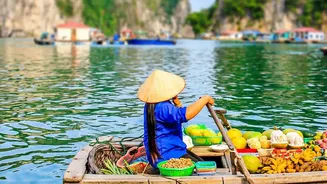
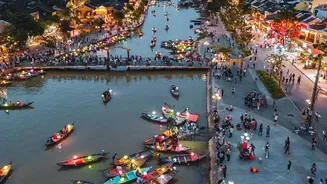
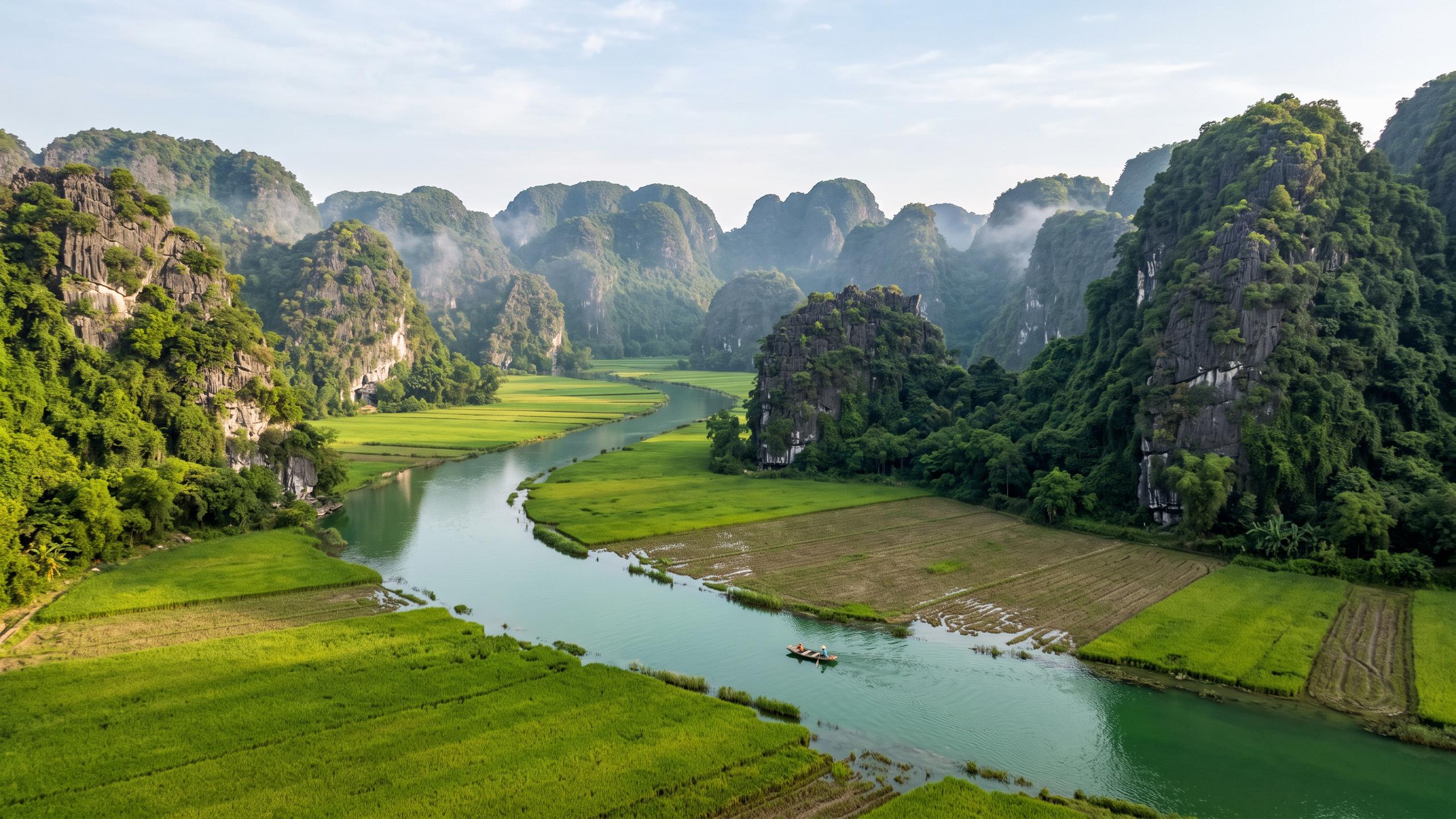
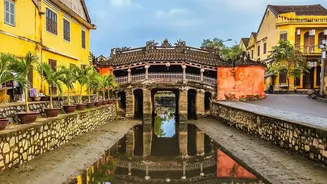
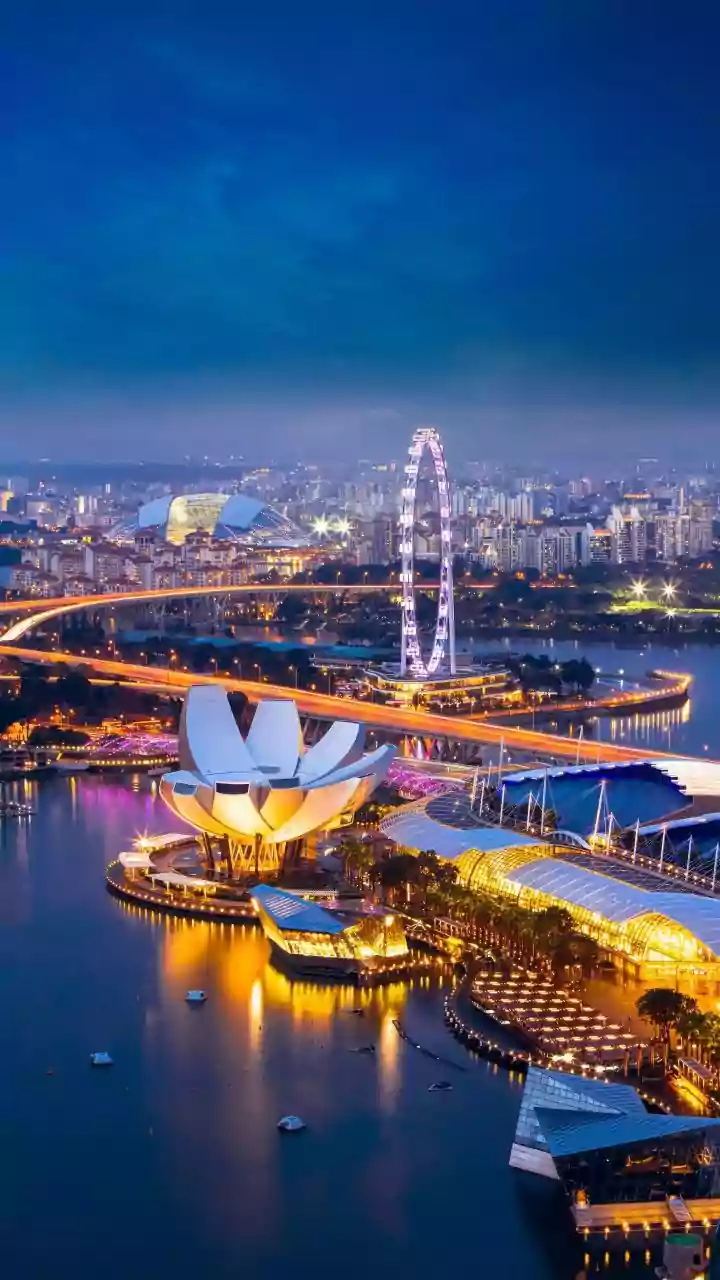
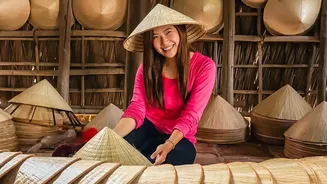
Southeast Asia is vast, so it's wise not to overstuff your itinerary. For a first-timer, a classic route might involve exploring Bangkok's temples and markets, then heading to a Thai island like Phuket or Krabi. Alternatively, you could focus on Vietnam's cultural highlights in Hanoi and Hoi An, paired with a cruise in Ha Long Bay. If city life and shopping are more your style, a Singapore and Kuala Lumpur combination is a winner. Consider the logistics of travelling between countries; planning a route that flows logically (e.g., Thailand to Cambodia to Vietnam) will save you time and money on backtracking. Many travellers find that focusing on one or two countries for a 10-14 day trip allows for a more immersive experience.
Smart Money Management
While Southeast Asia is known for being budget-friendly, managing your money wisely is still key. It is generally advisable to carry some local currency for small expenses like street food and transport, but rely on a good international debit or credit card for larger payments. Instead of exchanging all your money at the airport, consider withdrawing larger amounts from local ATMs to minimize transaction fees. Daily costs can vary widely; a mid-range budget might be around ₹4,000-₹6,000 per day, covering comfortable accommodation, meals, and activities. Always inform your bank about your travel plans to avoid your cards being blocked for suspicious activity.
Packing for the Tropics
Packing for Southeast Asia is all about light, breathable fabrics. The climate is hot and humid, much like Chennai's, so cottons and linens are your best friend. Pack comfortable shorts, t-shirts, and dresses. However, it's crucial to also pack modest clothing, such as long pants or a sarong, for visiting temples and other religious sites where covering your shoulders and knees is required. Essentials include a strong sunscreen, insect repellent with DEET, a reusable water bottle, a universal travel adapter, and a power bank. A light rain jacket or poncho is also a good idea, especially if you're travelling during the shoulder or monsoon seasons.
A Culinary Adventure
One of the greatest joys of travelling through Southeast Asia is the food. For Chennai travellers, the flavour profiles—often featuring spices, coconut, and rice—can feel both excitingly new and comfortingly familiar. While you should definitely dive into local specialties like Pad Thai in Thailand or Pho in Vietnam, finding Indian or vegetarian food is relatively easy in major tourist areas. Cities like Bangkok, Singapore, and Kuala Lumpur have significant Indian populations and dedicated neighbourhoods like Little India. Don't be afraid to explore street food stalls, which often offer the most authentic and delicious meals at a fraction of the cost of restaurants. Just use your judgment and choose vendors that are busy and look clean.