




The Science of Monsoon Hair
The core issue is humidity. Hair is porous, meaning it can absorb moisture from the air. When the atmosphere is saturated with water vapour during the monsoon, dry or damaged hair tries to soak up this excess moisture. This process causes the hair's outer
layer, the cuticle, to swell unevenly, resulting in the dreaded frizz and puffiness. The hydrogen bonds in your hair's protein structure are constantly breaking and reforming as they interact with water, which is why a sleek style can be undone the moment you step outside. This prolonged exposure to dampness not only affects your style but can also weaken the hair and make the scalp a breeding ground for fungal issues.
Upgrade Your Towel Technique
Your drying routine starts the second you turn off the shower. The common habit of vigorously rubbing hair with a coarse terrycloth towel is a major cause of frizz, as it creates friction and roughs up the hair cuticle. Instead, gently squeeze excess water out. The best tools for this are a soft, old cotton T-shirt or a microfiber towel. These materials absorb water effectively without creating the friction that leads to breakage and flyaways, which is especially important when hair is in its most vulnerable wet state.
The Air-Drying Dilemma
While air-drying seems like the gentlest option, it comes with its own set of problems during the monsoon. The high humidity means your hair can take hours to dry completely. This prolonged dampness isn't just inconvenient; it can also lead to a damp scalp, which is an ideal environment for fungal growth and dandruff. Furthermore, leaving hair wet for too long can cause a condition known as hygral fatigue, where the constant swelling and shrinking of the hair shaft leads to weakness and damage. A practical approach is to let your hair air-dry until it's about 70-80% dry, then finish the job with a blow-dryer on a cool setting.
Mastering the Monsoon Blow-Dry
If you rely on a blow-dryer, a few adjustments are key. Always use the concentrator nozzle, as it directs airflow to smooth the hair cuticle downwards, locking out humidity. It's also crucial to begin drying your hair soon after washing, as this allows you to set the style before frizz has a chance to form. Consider investing in an ionic hair dryer. These dryers emit negative ions that break down water molecules on the hair, speeding up drying time significantly. More importantly, they neutralize the positive charge in your hair that causes static and frizz, resulting in a smoother, shinier finish with less heat damage.
Seal the Deal with the Right Products
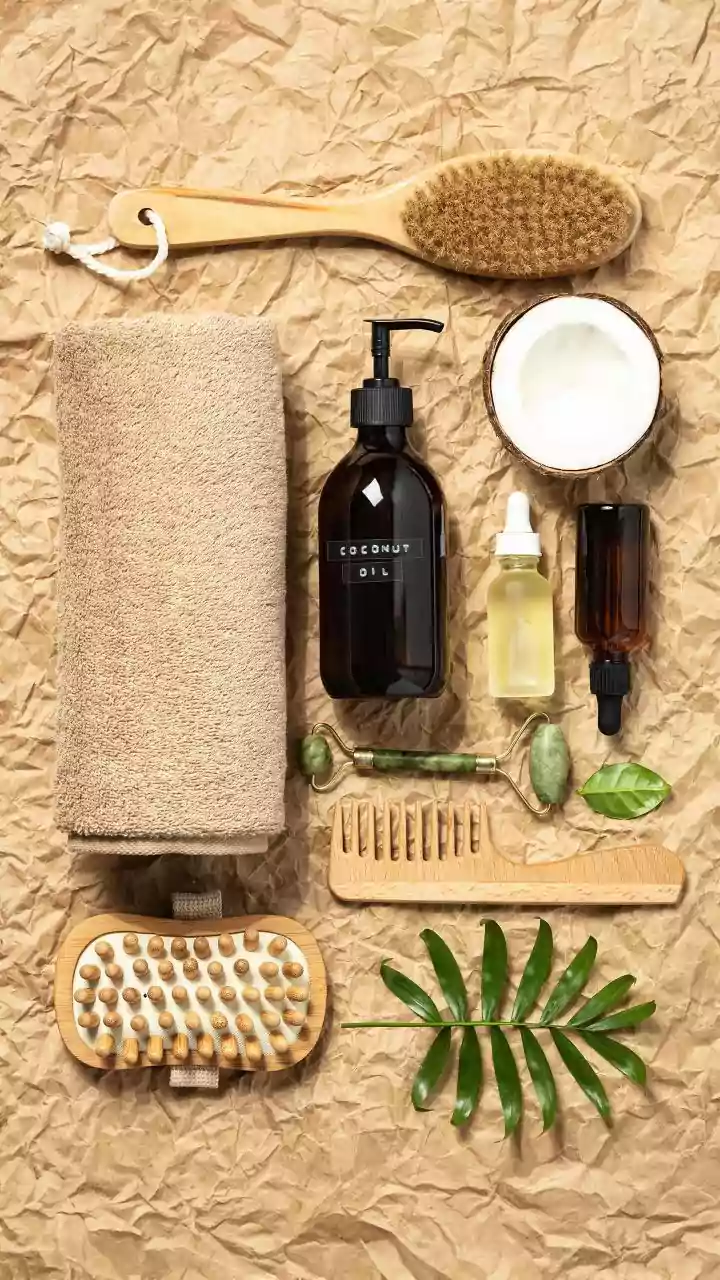
Finishing products act as a final barrier against humidity. Look for anti-frizz serums or leave-in conditioners containing silicones, which create a lightweight, protective film over the hair shaft to block moisture absorption. Applying a small amount to damp hair before styling can make a significant difference. For those who prefer natural options, lightweight oils like argan or jojoba can also help seal the cuticle without weighing hair down, a common issue with heavier oils like coconut oil in humid weather. A light mist of a humidity-blocking hairspray can also help your style last longer.
Don't Forget Your Scalp
A healthy scalp is the foundation of good hair, and it needs extra attention during the monsoon. The constant dampness can lead to an overgrowth of yeast and bacteria, causing itchiness, oiliness, and dandruff flare-ups. Make sure your scalp is completely dry after every wash and avoid tying up wet hair, as this traps moisture at the roots. Using a clarifying or anti-fungal shampoo once or twice a week can help keep your scalp clean and balanced. If you get caught in the rain, try to rinse your hair with clean water as soon as possible, as pollutants in rainwater can irritate the scalp.