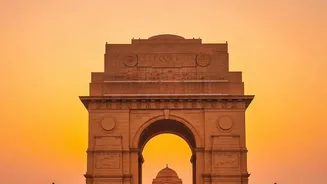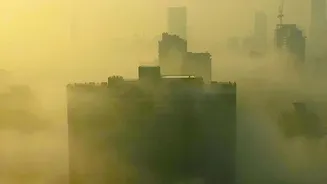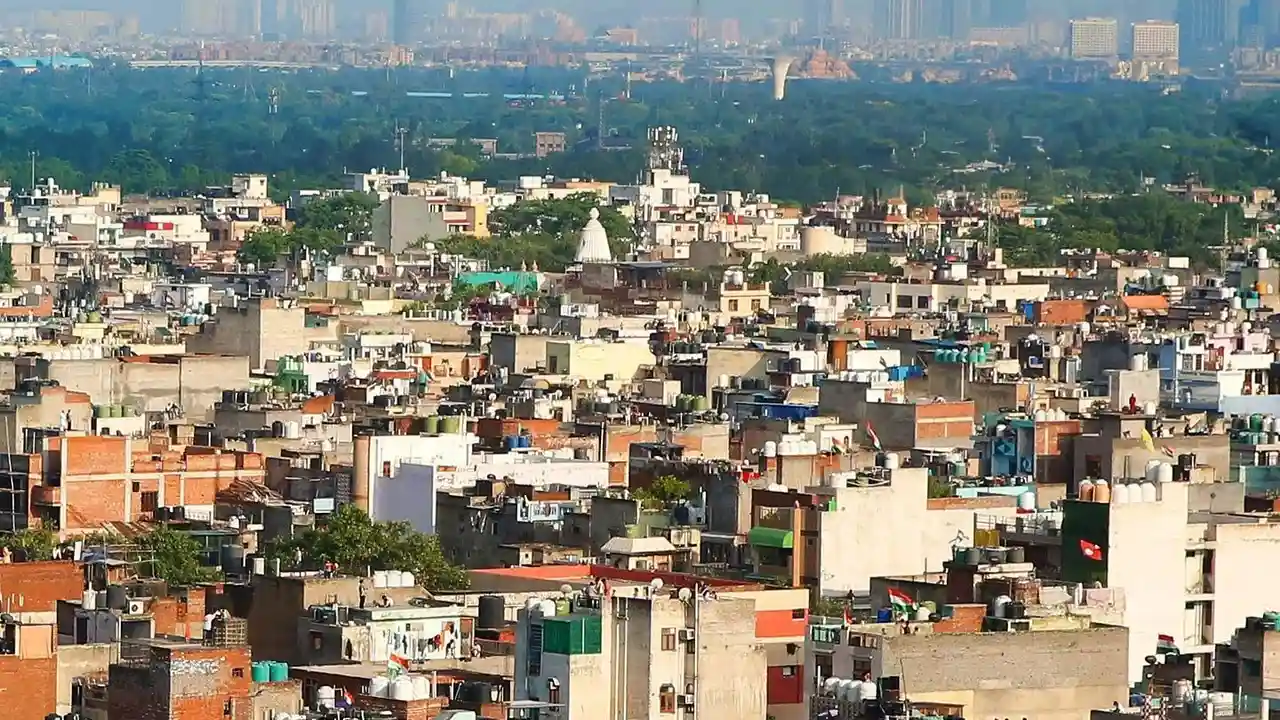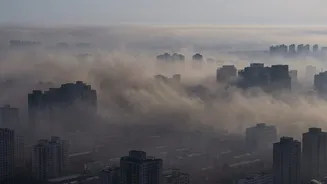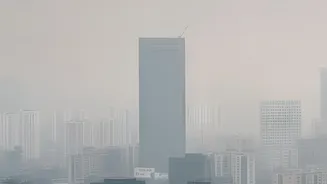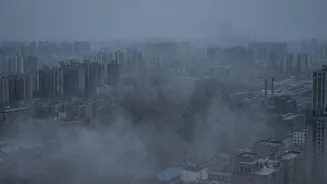






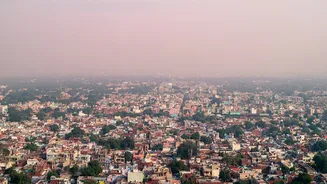
As a thick, grey smog settles over Delhi, the annual conversation about air quality returns. But beyond the alarming AQI numbers lies a pervasive crisis with deep-seated consequences for every aspect of life in the national capital.
A Public Health Emergency in Plain Sight
The most immediate
and devastating impact of Delhi's toxic air is on the health of its citizens. On November 12, 2026, the city's air quality was recorded in the 'very poor' category with an AQI of 323, a level that seriously affects those with existing diseases and causes discomfort to healthy people. Doctors report a surge in patients with respiratory issues, throat irritation, and coughing, affecting even young and otherwise healthy individuals. The danger lies in fine particulate matter like PM2.5, which can penetrate deep into the lungs and enter the bloodstream, leading to severe long-term health problems. Studies have linked chronic exposure to Delhi's air with irreversible lung damage in children, reduced life expectancy by up to 8-11 years, and an increased risk of heart disease, stroke, and even cognitive issues like lower IQ and memory problems in the young.
The Choking Economy
The hazardous air is not just a health crisis; it's an economic one. Air pollution in India was estimated to have caused business revenue losses of around USD 260 billion in 2024. This happens through several channels: reduced worker productivity due to illness, premature deaths, and lower consumer footfall as people avoid going outdoors. The annual implementation of the Graded Response Action Plan (GRAP) brings necessary but disruptive measures. Restrictions on construction and transportation halt economic activity, impacting not just large developers but also a vast chain of suppliers and daily-wage labourers. The transport sector, which moves millions of tonnes of freight daily, is thrown into disarray, leading to supply chain disruptions and increased operational costs for businesses across the board. These recurring disruptions make environmental degradation a structural economic risk.
Daily Life Under a Veil of Smog
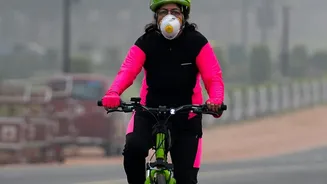
For the more than 30 million people in the Delhi-NCR region, severe air pollution dictates the rhythms of daily life. School closures or a shift to online classes become common, as parents worry about their children's exposure during commutes and outdoor activities. Studies have shown that children in Delhi have significantly higher instances of reduced lung function compared to those in rural areas. Government and private offices are often advised to implement 50% work-from-home policies to reduce traffic. The simple act of stepping outside requires checking AQI levels and wearing a mask, creating a constant state of anxiety and confinement. This persistent environmental stress disrupts social life, discourages physical activity, and takes a significant mental toll on the population.
An Intractable Mix of Pollutants
Tackling Delhi's air pollution is a complex challenge because its causes are numerous and interconnected. While stubble burning in neighbouring states like Punjab is a significant contributor during the winter, it is far from the only source. Analysis shows that even when farm fires decrease, pollution levels can remain severe. A recent analysis for early November 2026 attributed 54% of Delhi's PM2.5 to pollution transported from neighbouring NCR districts, while Delhi's local sources accounted for 33%. Within Delhi, vehicular emissions are the single largest local contributor at 52%, followed by residential activities and industry. Calm winter winds and lower temperatures trap these pollutants close to the ground, creating the thick smog that envelops the city for weeks.
The Ongoing Search for Breathable Air
In response, authorities have rolled out a comprehensive Winter Action Plan for 2026–27, aiming for a more proactive approach. Measures include restrictions on non–BS–VI vehicles entering Delhi, a 'No PUCC, No Fuel' mandate to get polluting vehicles off the road, and phased bans on construction activity. The government is also expanding its fleet of electric buses and installing more air quality monitoring stations for better enforcement. However, experts note that the effectiveness of these measures depends heavily on strict enforcement and, crucially, on coordinated action across the entire airshed of the National Capital Region, as Delhi cannot solve this problem alone. The continued reliance on emergency measures highlights the struggle to implement effective, year–round controls.