






The Delayed Monsoon's Domino Effect
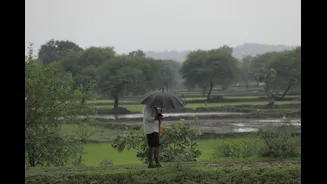
The primary reason for this strategic pause is the erratic and delayed arrival of the southwest monsoon. The Indian Meteorological Department (IMD) has noted a sluggish advance of the monsoon after its initial onset. For much of June, many regions that
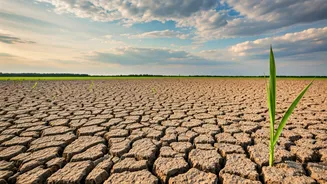
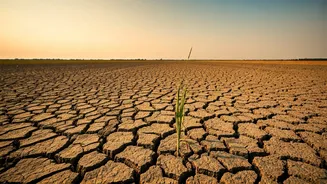
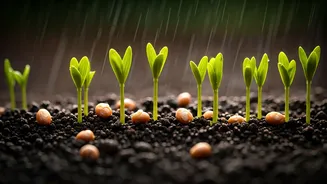
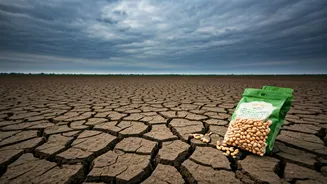
are critically dependent on monsoon rains have experienced significant rainfall deficits. Sowing crops like paddy, soybean, cotton, and pulses is entirely dependent on adequate soil moisture. Planting into dry or insufficiently moist soil is a recipe for disaster, as seeds may fail to germinate altogether. Without the foundational rains to prepare the soil, starting the planting campaign would be an expensive and potentially ruinous gamble for millions of farmers.
The Ghost of 'False Starts'
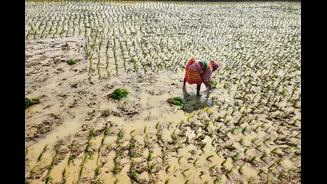
Planners are also haunted by the experience of previous years. A 'false start' to the monsoon—where an initial spell of rain is followed by a long, dry period—can be more damaging than a simple delay. Farmers, eager to begin, might sow their seeds after the first showers, only to see their nascent crops wither and die when the rains disappear for weeks. This forces them into 'resowing,' which doubles the cost of seeds, labour, and fertilisers, while also eating into the already tight growing season. Agricultural scientists and state departments are therefore advocating for a 'wait and watch' approach. They advise farmers to hold off until the monsoon has firmly established itself over their region, ensuring a continuous and sustained supply of rainfall to support the crop through its initial growth stages.
The Economic Stakes of a Bad Bet
The decision to sow is not just an agricultural one; it is a profound economic one. For a small or marginal farmer, the cost of seeds and inputs for the Kharif season represents a significant portion of their annual capital. A failed crop due to premature sowing can push a family into a debt trap from which it is difficult to escape. Planners understand that a widespread crop failure at the beginning of the season would have cascading effects. It would not only devastate rural livelihoods but also impact national food security, drive up food inflation, and strain government resources needed for relief efforts. By officially advising a delay, they are attempting to mitigate this systemic risk and protect the agricultural economy's foundation.
What Experts Recommend Instead
Instead of rushing to plant, agricultural universities and Krishi Vigyan Kendras (KVKs) are using this time to issue specific advisories. Farmers are being encouraged to prepare their fields but to delay sowing of major crops. They are also being advised on contingency plans. This includes preparing short-duration or drought-resistant crop varieties that can be planted later in the season without a significant loss in yield. For instance, in some regions, farmers might be advised to switch from long-duration paddy varieties to shorter-duration ones, or from water-intensive crops like cotton to more resilient alternatives like millets or pulses. This period of waiting is being reframed as a time for strategic planning and risk management.
A New Normal in a Changing Climate
Ultimately, this widespread call for a delay reflects a larger, more permanent shift in agricultural strategy. Climate change has made weather patterns, particularly the monsoon, more unpredictable. The consistent, reliable timetables of the past no longer apply. Rural planners are adapting to this new reality by moving away from a calendar-based approach to a data-driven, weather-based one. This year's caution is a clear signal that climate-smart agriculture is no longer a niche concept but a mainstream necessity. The insistence on delaying sowing is less about this single month and more about building a resilient agricultural system that can better withstand the shocks of an uncertain climate future.