






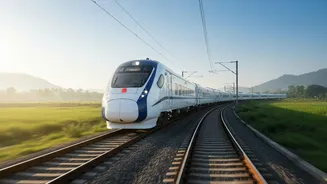
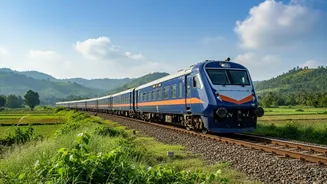
The Age-Old Waitlist Problem
Booking a train ticket in India, especially on popular routes or during festive seasons, can often feel like a lottery. With demand far outstripping supply, many passengers find themselves on the dreaded waitlist, sometimes for weeks on end. This uncertainty
ripples through travel plans, leaving people unable to commit to hotel bookings, onward journeys, or important events. The traditional system, where the final reservation chart is prepared just four hours before departure, often meant a frantic last-minute scramble for alternatives if a ticket remained unconfirmed. This long-standing issue not only causes stress for passengers but also creates operational challenges for the railways, including overcrowding in reserved coaches by those hoping for a last-minute seat.
A Two-Pronged Approach to Clarity
In response, Indian Railways is implementing a multi-faceted strategy to provide what passengers have long asked for: earlier clarity. This isn't a single plan but a combination of technological upgrades and procedural changes. The first major component is the use of Artificial Intelligence (AI) to predict the chances of a waitlisted ticket getting confirmed. The second is a shift in the operational timeline, with pilot projects underway to prepare the final reservation chart much earlier than the conventional four-hour window. Together, these initiatives aim to replace anxiety with informed decision-making.
AI: Your New Travel Predictor
One of the most significant recent developments is the integration of an AI-powered prediction engine. Rolled out on platforms like the RailOne app, this tool analyzes vast amounts of data, including historical booking patterns, cancellation trends, and seasonal demand. When a passenger books a waitlisted ticket, the system generates a probability score, indicating whether the chances of confirmation are high, moderate, or low. According to the Ministry of Railways, the accuracy of this prediction model has dramatically improved, now standing at around 94%. This allows passengers to gauge their chances at the time of booking itself, helping them decide whether to book a ticket on a different train or choose an alternative mode of transport from the outset.
Earlier Charts for Better Planning
The other key element is the move towards preparing reservation charts well in advance. Indian Railways has been testing a system to release the final chart up to 24 hours before a train's departure, a significant leap from the standard four-hour window. A pilot project for this began in the Bikaner division in June 2025, with plans to expand it to other busy routes. Having a full day's notice provides passengers with confirmed peace of mind or, if their ticket is not confirmed, ample time to cancel and receive a refund, book a 'clone train' if one is deployed on that route, or make other travel arrangements without the last-minute panic. This also helps railways manage resources more efficiently by getting a clearer picture of demand earlier.
Stricter Rules and the Path Forward
These passenger-friendly initiatives are complemented by stricter enforcement to improve the experience for confirmed travellers. As of May 2025, passengers with unconfirmed waitlisted tickets are no longer permitted to board reserved Sleeper or AC coaches, and are restricted to general compartments. This rule is aimed at reducing overcrowding and ensuring that reserved seats are occupied only by those with valid confirmed or RAC (Reservation Against Cancellation) tickets. While these rules may seem harsh, they are part of a broader strategy. By providing clearer, earlier information through AI predictions and advanced chart preparation, the railway is giving waitlisted passengers better tools to avoid being in a situation where they might be penalised.