






The Powerhouse Grain: Why Choose Ragi?
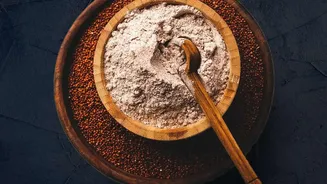
Ragi, or finger millet, has been a staple in Indian households for centuries, and for good reason. This unassuming grain is a nutritional powerhouse. It is renowned for its high calcium content, crucial for maintaining strong bones and teeth. In fact,
ragi is one of the best plant-based sources of calcium available. Beyond bone health, it is also rich in iron, which helps combat anaemia, and dietary fibre, which aids digestion and promotes a feeling of fullness, making it an excellent choice for weight management. Being naturally gluten-free, it's a fantastic option for those with gluten sensitivities or celiac disease. Its low glycemic index helps in the slow release of sugar, which can aid in managing blood sugar levels.
Making the Perfect Batter
The foundation of a great ragi crepe is the batter. You have two main options: a traditional fermented batter or a quick instant one. For a fermented batter, which yields softer crepes with a delightful tang, you can soak whole ragi grains with urad dal and a few fenugreek seeds for several hours before grinding them into a smooth paste. Let this mixture ferment in a warm place for about 6-8 hours or overnight. For a much faster alternative, you can make an instant batter. Simply mix ragi flour with rice flour or a little besan (gram flour), curd (yogurt), water, and salt. This instant version doesn't require any soaking or fermentation and can be ready in about 15-20 minutes. The key to either method is achieving the right consistency—the batter should be pourable but not too watery.
Technique Tips for Flawless Crepes
Cooking ragi crepes, also known as ragi dosa or cheela, can be tricky as the batter is prone to sticking. Success lies in a few key techniques. Always use a well-seasoned cast-iron tawa or a good quality non-stick pan. Heat the pan properly before you start; it should be hot but not smoking. Cook on a medium to low flame. High heat can cause the outside to burn before the inside is cooked. Lightly grease the pan before pouring each crepe. Pour the batter from the outside in to create an even circle. For instant, thinner batters, you might pour it across the pan like a rava dosa. Don’t try to flip the crepe too early; wait until the edges start to lift and the surface looks cooked.
Recipe 1: Classic Onion and Herb Crepe
This recipe is a timeless classic and incredibly easy to prepare. To your prepared ragi batter (either fermented or instant), add finely chopped onions, green chillies, fresh coriander leaves, and a pinch of cumin seeds. You can also add some grated ginger for an extra layer of flavour. Mix these ingredients directly into the batter. Pour a ladleful onto your hot, greased pan and spread it into a thin circle. Drizzle a little oil or ghee around the edges and cook for a minute or two until the underside is golden and crisp. Flip and cook the other side for another minute. This crepe is flavourful enough to be eaten on its own or with a simple chutney.
Recipe 2: Nutrient-Packed Vegetable Crepe
To boost the nutritional value and add texture, you can load your ragi crepes with vegetables. Finely grated carrots, shredded cabbage, chopped capsicum, or even leafy greens like spinach work wonderfully. It's important to grate or chop the vegetables very finely so they incorporate well into the batter and cook through evenly. To avoid a dry crepe, moisture-rich vegetables like bottle gourd can also be added. Mix your chosen vegetables into the batter just before cooking to keep them fresh. These vegetable crepes are not only healthy but also a great way to get more veggies into your family's diet.
Serving and Pairing Ideas
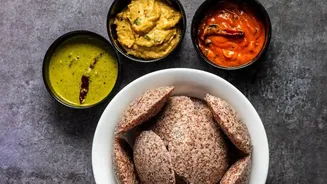
Savoury ragi crepes are versatile and pair beautifully with a variety of accompaniments. The most classic pairing is with coconut chutney, which provides a cool and creamy contrast to the earthy flavour of the ragi. Other popular choices include tomato chutney, mint-coriander chutney, or a spicy peanut chutney. For a more substantial meal, you can serve the crepes with a bowl of hot sambar, just as you would with a traditional dosa. A sprinkle of 'podi' (gunpowder spice mix) along with a drizzle of ghee or sesame oil is another simple yet delicious way to enjoy these healthy crepes.