
A Shift In Aspiration and Access
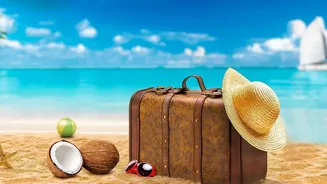
What was once a once-in-a-lifetime luxury is now an achievable goal for India's growing middle class. Several factors are driving this change. Rising disposable incomes and a post-pandemic urge to explore have created a powerful desire for new experiences.
This wanderlust is amplified by social media platforms like Instagram and YouTube, where travel influencers and user-generated content provide endless inspiration and a sense of accessibility. Studies show that a vast majority of Indian travellers now use these platforms to research and select their destinations. This digital exposure, combined with increased connectivity and the availability of online travel platforms, has made planning and booking an international trip easier than ever before.
The 'Where': Southeast Asia is the New Goa
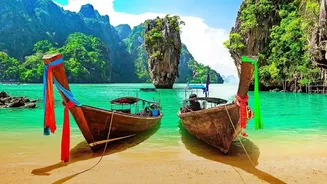
So, where are these budget-savvy travellers headed? The overwhelming answer is Southeast Asia. Countries like Thailand, Vietnam, Malaysia, and Sri Lanka have become immensely popular, offering a compelling mix of stunning landscapes, rich culture, and affordability. In fact, for some, a well-planned trip to Bangkok can be comparable in cost to a holiday in Goa. A key factor is simplified visa processes, with many of these nations offering visa-free entry or visa-on-arrival for Indian passport holders. This removes a significant layer of cost and complexity, making spontaneous trips more feasible. Vietnam, in particular, has seen a surge in popularity, prized for its scenic beauty and incredibly low daily expenses for food and transport. Similarly, Thailand continues to be a reliable favourite due to its vast range of budget accommodation and frequent, affordable flights from India.
The 'How': Smart Planning and Savvy Spending
Affording these trips is a masterclass in smart financial planning. The modern Indian traveller is adept at finding deals, often booking flights three to four months in advance and opting for budget airlines. Instead of luxury hotels, many choose clean and comfortable hostels, guesthouses, or homestays, which also offer a more local experience. Eating like a local at street food stalls and small eateries is another key strategy, not just for saving money but for authentic cultural immersion. There's also a noticeable trend towards travelling during the 'shoulder season'—the period just before or after the peak tourist season—to take advantage of lower prices and fewer crowds. The rise of 'Travel Now, Pay Later' schemes and accessible travel loans are also helping younger travellers, particularly Gen Z, to fund their adventures without lengthy saving periods.
Beyond Sightseeing: A New Style of Travel
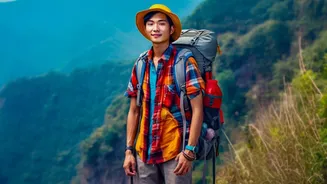
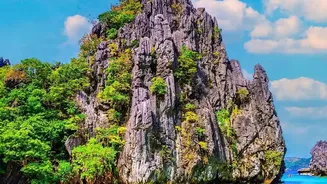
This trend is not just changing where Indians travel, but also how they travel. The focus is shifting from traditional sightseeing checklists to a desire for unique and immersive experiences. Travellers are seeking out adventure trips, wellness retreats, and opportunities to engage with local culture on a deeper level. The goal is often to create lasting memories and, increasingly, compelling content for their social media feeds. This quest for 'Instagrammable' moments is a significant driver, pushing travellers towards destinations that are visually stunning and unique. This shift also means that a week-long trip can be planned on a budget ranging from ₹30,000 to ₹70,000 per person, striking a balance between cost and experience.
Fueling a New Travel Ecosystem
The boom in budget international travel has sparked a vibrant ecosystem of new businesses in India. Online travel aggregators and platforms specialising in customised, budget-friendly itineraries have flourished. There's been a surge in travel content creators who build their careers around providing tips and inspiration for affordable journeys. Tour companies are also adapting, offering specialised packages for solo travellers and small groups that cater specifically to this value-conscious demographic. This democratisation of travel is not just empowering individuals to see the world; it's creating new industries and economic opportunities back home, reshaping the business of tourism from the ground up.