

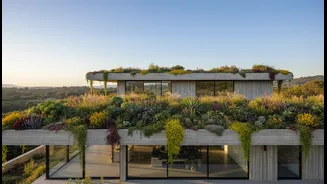



Beyond the Balcony Bloom
For many urban dwellers, a terrace garden is a cherished escape—a splash of green amidst the concrete. We nurture flowering pots for beauty and herbs for the kitchen. But as Indian cities grapple with intensifying heatwaves and water stress, the conventional
garden, with its thirsty plants and high maintenance, needs a rethink. Cities naturally trap more heat than rural areas, creating what is known as the 'urban heat island' effect. A standard concrete roof absorbs and radiates this heat, increasing indoor temperatures and driving up the need for costly air conditioning. Traditional gardening can sometimes contribute to environmental strain through heavy water use and non-native plant choices that don't support local ecosystems. The good news is that your terrace holds immense potential to become part of the solution. With a few conscious shifts, it can become a functional, climate-smart space that actively works to make your home and city more liveable.
The Climate-Smart Mindset
Adopting a 'climate-smart' approach doesn't mean sacrificing aesthetics. It’s about making intentional choices that enhance your garden's environmental benefits. The core principles are simple: conserve water, choose appropriate plants, improve soil health, and maximise the cooling effect. A climate-smart garden works with nature, not against it. It becomes a mini-ecosystem that cools the air, provides a habitat for pollinators, reduces your carbon footprint, and can even supplement your kitchen with fresh, organic produce. Research shows that a well-planned green roof can lower surface temperatures by a significant margin compared to a bare one, providing natural insulation and reducing energy consumption. It’s a shift from a purely decorative space to one that provides tangible ecological and personal benefits, from stress relief to a deeper connection with nature.
Water-Wise Wonders
Water is a precious resource, especially in urban India. A climate-smart garden prioritises its conservation. Start by watering plants early in the morning to minimise evaporation. Always water the base of the plant, directly at the soil level, not the leaves, to ensure moisture gets to the roots where it's needed. Before watering, check if the soil is actually dry by inserting a finger an inch deep. Consider installing a drip irrigation system, which delivers water slowly and directly to the roots, eliminating runoff and waste. Applying a layer of mulch, such as dried leaves or cocopeat, on top of the soil can dramatically reduce moisture loss. Furthermore, grouping plants with similar water needs together makes watering more efficient. Using self-watering pots or placing trays underneath containers can also help recycle excess water.
Plant for a Purpose
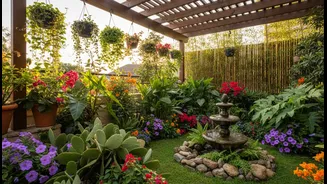
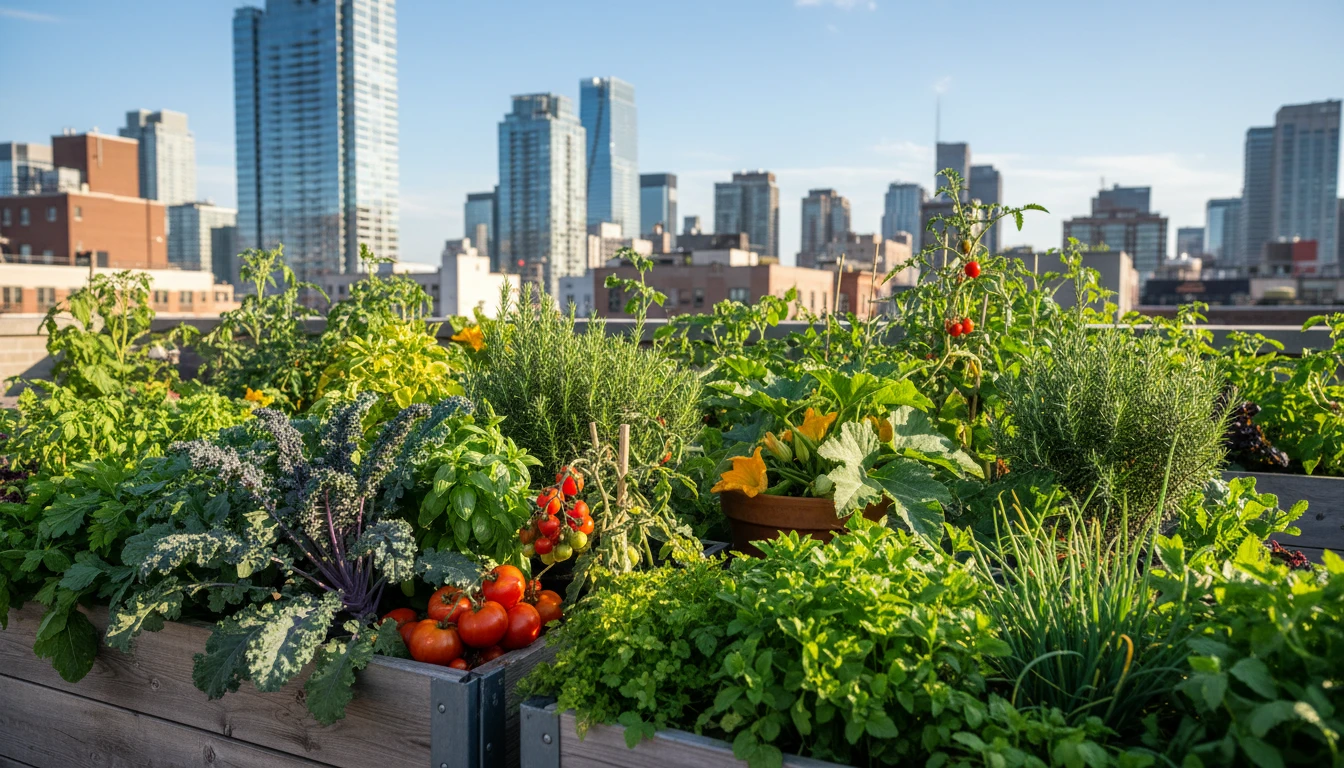
The plants you choose are critical. While beautiful, many exotic flowers require immense care and water. Instead, prioritise native and drought-tolerant species that are naturally adapted to your local climate. Plants like bougainvillea, hibiscus, marigold, and lemongrass are hardy, thrive in Indian summers, and require minimal water once established. Succulents and aloe vera are other excellent low-maintenance choices. Beyond ornamentals, a climate-smart garden contributes to biodiversity and food security. Planting native flowers attracts and supports essential pollinators like bees and butterflies. Growing your own vegetables and herbs—such as tomatoes, chillies, spinach, and mint—reduces 'food miles' and your reliance on market produce, which is often grown using chemical pesticides. Even a small patch can yield a surprising amount of fresh, healthy food.
Your Terrace as a Cooling Zone
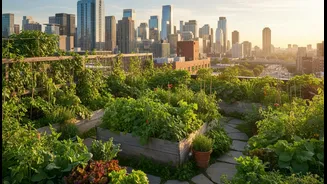
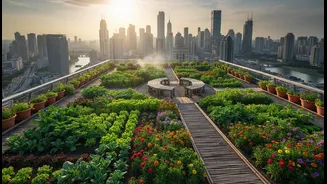
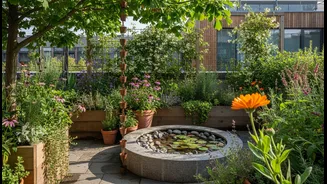
One of the most significant impacts of your garden is its ability to combat the urban heat island effect. Plants cool the surrounding air through a natural process called evapotranspiration. Studies have shown that a green roof can significantly lower ambient temperatures, creating a cooler microclimate around your home. This natural cooling effect can reduce your dependence on air conditioning, saving energy and lowering electricity bills. To maximise this benefit, use a mix of plants, including climbers that can cover a wall or trellis, creating a 'green wall' that provides shade and insulation. Larger shrubs and small trees in sturdy containers also contribute to shading the roof surface. By turning your terrace into a lush green cover, you are not just beautifying a space; you are deploying a natural, effective technology to make your urban environment more resilient and comfortable.