




The Green Wave Arrives
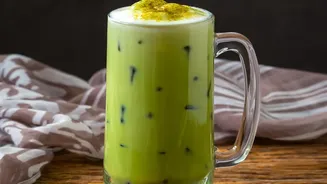
For decades, India's beverage culture has been defined by the rich traditions of chai and the growing dominance of coffee. But a new contender has emerged, capturing the attention of millennials and Gen Z. Matcha, a finely ground powder of specially grown
and processed green tea leaves from Japan, is experiencing a remarkable surge in popularity. Major café chains like Blue Tokai and Third Wave Coffee, once focused solely on artisanal coffee, now feature matcha prominently on their menus. The Indian matcha market is growing at nearly double the pace of the broader tea market, with some projections showing it will reach nearly ₹1,400 crore by 2030. This isn't just a fleeting trend; it's a reflection of a fundamental change in consumer desires.
More Than Just a Drink
The appeal of matcha goes far beyond its unique, slightly sweet, umami flavour. It arrives with a compelling story. Its association with Japanese tea ceremonies gives it an air of ritual and mindfulness. Furthermore, it is packed with health benefits, including antioxidants and L-theanine, an amino acid known for promoting a state of calm alertness. This combination of health and wellness aligns perfectly with the priorities of a new generation of Indian consumers who are increasingly health-conscious. They aren't just looking for a caffeine hit; they are seeking beverages that contribute to their overall well-being, and matcha fits that narrative perfectly.
Defining the 'Curated' Experience
The rise of matcha is intrinsically linked to the demand for 'curated' experiences. This term goes beyond simply having a good meal or drink. A curated experience is about intentionality and storytelling. In the context of a matcha café, it's not just about the latte; it's about the minimalist decor, the handcrafted ceramic mug it's served in, the knowledgeable barista who can explain the tea's origin, and the overall aesthetic that is highly 'Instagrammable'. Consumers, particularly in metros like Mumbai, Delhi, and Bengaluru, are willing to pay a premium for this total package. It’s a shift from passive consumption to an active, engaging experience where every detail feels chosen and purposeful.
From Third-Wave Coffee to Fourth-Wave Tea
This movement didn't appear in a vacuum. It was paved by the 'third wave of coffee', a trend that familiarised Indian consumers with concepts like single-origin beans, artisanal roasting, and craft brewing methods. This movement taught customers to appreciate the story behind their cup and to value quality over quantity. The success of third-wave coffee shops created a consumer base that was already primed for the next evolution. Matcha represents a 'fourth wave' of sorts, extending these principles of craft, origin, and experience to the world of tea. Cafés that built their identity on specialty coffee found that adding matcha was a natural extension of their brand ethos.
A Wider Shift in Consumption
This desire for curated experiences is not limited to matcha. Across India's food and beverage landscape, a similar pattern is emerging. We see it in the rise of microbreweries offering craft beers with local ingredients, artisanal bakeries focusing on sourdough, and fine-dining restaurants offering multi-course tasting menus that tell a story about a specific region or ingredient. Diners are trading large buffets for smaller, more thoughtful plates and seeking out unique, high-quality food and drink that offer a sense of discovery and connection. This indicates a broader cultural move towards mindful indulgence, where the 'why' and 'how' of what we consume are becoming just as important as the 'what'.