



First, A Word on Safety
The North American Monsoon is a powerful, unpredictable force. While its beauty is undeniable, it brings serious risks, primarily flash floods and lightning. Never drive through flooded roadways. Stay out of slot canyons, dry riverbeds (washes or arroyos),
and low-lying areas during and after storms, as they can fill with water in seconds. Always check local weather forecasts before you head out, respect park closures and ranger warnings, and admire the dramatic lightning from a safe, sheltered distance. The goal is to witness the desert's transformation, not become a part of its tragic statistics.
Chiricahua National Monument, Arizona
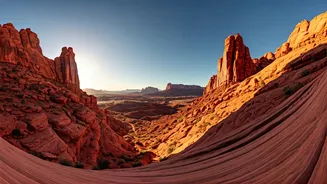
Known as the “Wonderland of Rocks,” Chiricahua transforms into a sky-high theater during the monsoon. The towering rhyolite rock pinnacles, sculpted by a volcanic eruption millions of years ago, seem to catch and amplify the drama of the storm clouds. As thunder echoes off the hoodoos, the landscape takes on a primal energy. The rain awakens the region’s “sky island” ecosystem, where high-elevation forests meet the desert floor. After a storm, the air is crisp and clean, and the contrast between the wet, dark rock and the fleeting patches of brilliant blue sky is a photographer’s dream. Drive the scenic Bonita Canyon Drive to the Massai Point overlook for a panoramic view of the storm cells rolling in.
Organ Pipe Cactus National Monument, Arizona
There is no scent quite like desert rain on hot creosote bushes. At Organ Pipe, on the border with Mexico, the monsoon is a full sensory experience. This UNESCO Biosphere Reserve is the only place in the U.S. where the organ pipe cactus grows wild, and seeing these multi-armed giants silhouetted against a bruised, stormy sky is unforgettable. The summer rains trigger a “second spring,” coaxing out blossoms from ocotillos and other desert plants. The air becomes thick with the smell of petrichor—that earthy perfume of rain on dry soil. It’s a quiet, profound spectacle that reminds you how resilient and opportunistic life in the desert truly is.
The Grand Canyon's South Rim, Arizona
Seeing the Grand Canyon is a bucket-list item for many, but seeing it during a monsoon storm is a next-level spiritual experience. From the safety of viewpoints like Mather Point or Yavapai Point, you can watch colossal thunderheads build over the canyon. Sometimes, the storm fills the chasm below the rim, creating a mesmerizing cloud inversion. Lightning strikes can illuminate the canyon’s vastness in a split second, revealing its immense scale in a way sunlight never can. It’s nature’s most epic light show. The storms often pass as quickly as they arrive, leaving behind double rainbows arching across one of the world’s greatest natural wonders.
White Sands National Park, New Mexico
White Sands is already an otherworldly destination, but a monsoon storm elevates it to something alien. The stark, white gypsum dunes create an incredible canvas for the dark, moody storm clouds that gather in the afternoon. When the rain falls, it darkens the sand and makes the landscape even more dramatic. The moisture temporarily binds the gypsum crystals, allowing you to see animal tracks—like those of the bleached earless lizard or the Apache pocket mouse—with startling clarity. As the storm clears, the low-angled sun hitting the wet dunes against a dark eastern sky creates a high-contrast scene that feels both serene and intensely powerful.