







The Ever-Present Threat of Landslides
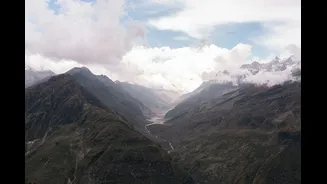
The single greatest danger on wet mountain roads is landslides. Heavy rainfall saturates the soil and rock on steep slopes, making them unstable. The Himalayan region is particularly vulnerable, with rainfall being the primary trigger for most landslides. These
can range from minor rockfalls to massive flows of mud and debris that can block highways for days or sweep vehicles off the road. Entire sections of road can be washed away, cutting off communities. Always be vigilant, especially in areas with signboards warning of falling rocks. Avoid stopping or parking on narrow stretches with steep hillsides above or below you. If you see a fresh landslide, no matter how small, it is safest to turn back and find an alternative route or wait for authorities to clear it.
Slippery Roads and Reduced Grip
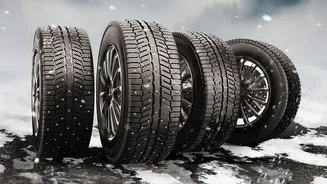
Rain makes roads incredibly slippery, significantly reducing tyre traction and increasing braking distances. The first 10 minutes of a rainfall can be the most dangerous, as the water mixes with oil and grease on the road surface, creating a slick film. This condition, known as hydroplaning, can cause your tyres to lose contact with the road entirely, leading to a complete loss of steering and braking control. To mitigate this, reduce your speed significantly, avoid sudden braking or sharp turns, and increase the following distance between your vehicle and the one ahead to at least five seconds. Ensure your tyres have adequate tread depth (a minimum of 3mm is recommended for wet conditions) and are properly inflated before you begin your journey.
Flash Floods and Water Crossings
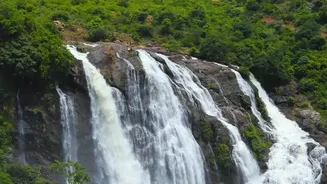
Intense rain can turn gentle streams into raging torrents in minutes. These flash floods can overwhelm small bridges and causeways, making them impossible to cross. Never attempt to drive through fast-flowing water, as it can be much deeper and more powerful than it appears. Just a couple of feet of running water can carry away even large vehicles like SUVs and trucks. Be especially cautious at low-lying dips in the road and causeways (known as 'nullahs'). If you encounter a flooded road, the safest option is always to stop, turn around, and find another route. It's better to be delayed than to be swept away.
Poor Visibility from Fog and Spray
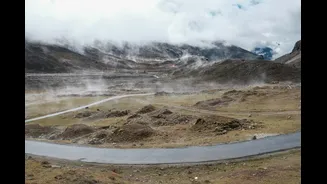
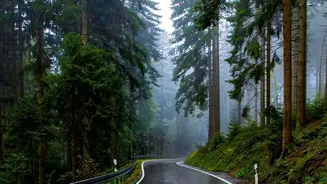
Heavy rain and the resulting fog can reduce visibility to almost zero, making it difficult to see sharp bends, oncoming traffic, or hazards on the road. The spray from larger vehicles can also momentarily blind you. Always turn on your headlights (use low beams, not high beams, in fog) to make yourself more visible to others. Ensure your windshield wipers are in good condition and your washer fluid reservoir is full. If visibility becomes dangerously poor, it's wise to pull over to a safe spot, well off the road, and wait for conditions to improve.
Hidden Road Damage
Water can conceal a multitude of sins on the road surface. Potholes, which can cause significant damage to tyres and suspension, are often hidden beneath puddles. More seriously, persistent rain can erode the ground beneath the tarmac, leading to sections of the road collapsing under the weight of a vehicle. This is a common issue on roads that are cut into the hillside. Drive slowly and be wary of any standing water, as you cannot be sure of the road's integrity underneath. Try to stay in the tracks of the vehicle ahead of you where possible.
Essential Vehicle Preparedness
Before you even start the engine, a thorough vehicle check is non-negotiable. Inspect your brakes, as you'll be relying on them heavily on descents. Check all essential fluids, including engine oil, coolant, and brake fluid. Driving in the mountains, especially uphill, puts a heavy strain on the engine's cooling system. Pack an emergency kit that includes a tow rope, a high-visibility jacket, a powerful torch, a first-aid kit, and extra food and water. Given the high probability of road closures and traffic jams, being prepared for a long wait is crucial.