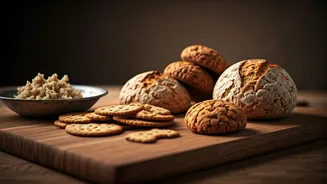



The Magic of Sourdough Discard
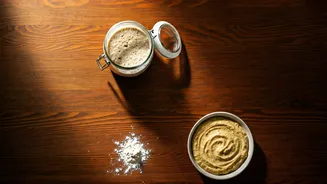
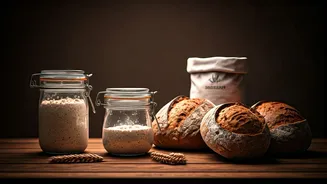
For the uninitiated, sourdough discard is the portion of your starter that you remove before feeding it. While it's not active enough to make a loaf of bread rise on its own, it's packed with flavourful lactic acid bacteria and wild yeasts. This gives
it a characteristic tangy taste that can range from mild to pronounced. But flavour is just one part of its charm. Incorporating discard into recipes can also contribute to a softer, moister texture in some baked goods, and a crispier finish in others. Furthermore, the fermentation process makes snacks easier to digest and can add nutritional benefits like B vitamins.
General Rules for Success
Before you start experimenting, there are a few basic guidelines. Sourdough discard is typically a 1:1 ratio of flour and water. When adding it to a recipe, you'll want to reduce the flour and liquid in the original recipe by a corresponding amount to maintain the correct consistency. For example, if you add 1 cup (about 240g) of discard, you should reduce the recipe's flour by ½ cup (120g) and its liquid by ½ cup (120g). Start by substituting about 20-25% of the total flour weight with discard and adjust from there. The flavour can become more sour the older the discard is, so use fresher discard for a milder tang.
Crunchy Snacks: Mathri and Crackers
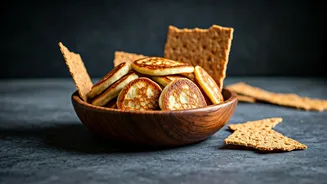
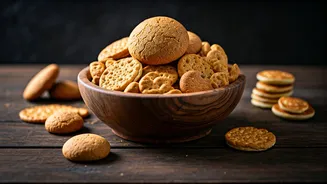
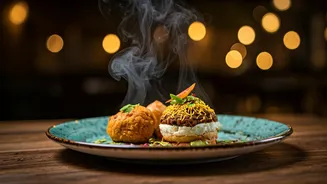
For fried and baked savoury snacks like mathri, namak pare, or homemade crackers, sourdough discard is a game-changer. The acidity from the discard helps to tenderise the dough, creating a flakier and more delicate crunch. It also adds a subtle complexity that beautifully complements spices like ajwain (carom seeds) or black pepper. To adapt your favourite mathri recipe, simply replace a portion of the flour and water with discard. Mix the discard with your flour, spices, and fat (like ghee or oil), and then add just enough extra water to form a stiff dough. The result is a cracker-like snack that is noticeably crispier and more flavourful.
Pancakes and Crepes: Cheela and Dosa
The tangy character of sourdough discard is a natural fit for fermented batters like those used for dosa and uttapam. It can also bring a delightful new dimension to instant versions, like besan (gram flour) cheela. Adding discard to a cheela batter can give it a lighter, almost lacy texture and a pleasant sourness that balances the earthiness of the gram flour. For dosas, you can either add discard to your traditional rice and lentil batter to speed up fermentation and enhance flavour, or you can create a quick dosa using just the discard itself, thinned with a little water and spiced to your liking. These discard-based crepes are wonderfully tangy and cook up incredibly fast.
Soft Breads: Naan and a Savoury Twist
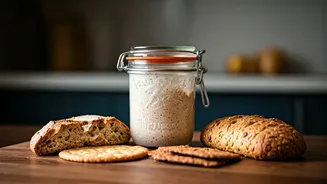
While discard alone won't leaven bread, it works beautifully in recipes that use another leavening agent like yeast or baking powder. Sourdough naan is a prime example. Adding discard to your naan dough, along with yogurt and a leavening agent, results in a flatbread that is incredibly soft, pillowy, and has a rich, complex flavour that you don't get from yeast alone. The tanginess complements garlic and butter toppings perfectly. The same principle applies to other breads; you could even add a savoury twist to an enriched bread like challah by incorporating discard, garlic, and herbs.