



First, Understand Your Balcony's Light
Before buying a single plant, become an expert on your balcony's sunlight. This is the single most important factor for success. A balcony that feels bright to you might not provide enough direct light for a plant to thrive. Spend a day observing: note
when direct sun first hits your space, which areas it covers, and for how long it lasts. Nearby buildings, overhangs, and even railings can create shifting patterns of sun and shade. Generally, plant needs are defined as: 'Full Sun' requires six or more hours of direct, unfiltered sunlight. 'Partial Sun' or 'Partial Shade' means about four to six hours of direct sun, ideally in the cooler morning hours. 'Full Shade' means less than four hours of direct sun, relying mostly on indirect or reflected light. Knowing your specific light pattern helps you choose plants that will flourish rather than just survive.
Match Plants to Your Sunlight Conditions
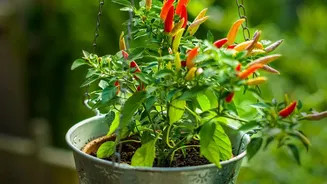
Once you have assessed your light, you can choose the right plants. For sunny balconies that get 6+ hours of direct sun, sun-loving flowers and herbs are excellent choices. Think of Bougainvillea, Hibiscus, Marigolds, Petunias, Tulsi (Holy Basil), and Curry Leaves, which do very well in Indian climates. Vegetables like tomatoes and chillies also thrive in these conditions. For balconies with partial shade (4-6 hours), consider plants like Aloe Vera, which prefers bright but indirect light, or herbs like mint. For shadier balconies with less than four hours of direct sun, focus on foliage. Plants like Snake Plants, Money Plants (Pothos), Ferns, and some palms are excellent choices that add greenery without needing intense light. The goal is to work with the light you have, not force a sun-loving plant into a shaded corner.
The Golden Rule of Watering
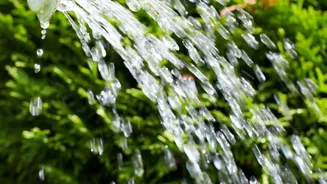
The most common mistake beginner gardeners make is overwatering. Unlike watering on a strict schedule, the best approach is to check the soil first. The 'finger test' is the most reliable method: stick your finger one to two inches into the soil. If it feels dry at that depth, it's time to water. If it's still moist, wait another day or two and check again. Plants in containers on a balcony can dry out quickly due to wind and direct heat, so you may need to check daily in hot weather. When you do water, do it thoroughly. Pour water slowly until you see it run out of the drainage holes at the bottom of the pot. This ensures the entire root ball is moistened and helps flush out any salt buildup from fertilisers.
Why Drainage Is Non-Negotiable
Proper drainage is crucial for container gardening. Without drainage holes, excess water pools at the bottom of the pot, saturating the soil and depriving roots of the oxygen they need to survive. This leads to root rot, the number one killer of potted plants. Every pot on your balcony must have holes at the bottom to let surplus water escape. If you have a decorative pot without holes, use it as a cachepot—place a smaller, functional pot with drainage holes inside it. After watering, simply empty any excess water that collects in the outer pot. Elevating your pots slightly with 'pot feet' or stands can also improve airflow and prevent water from staining your balcony floor.
Common Mistakes and Simple Fixes
Beyond light and water, a few other common pitfalls can hinder a balcony garden. One is using heavy garden soil in pots; it becomes too compacted and suffocates roots. Always opt for a light, well-draining potting mix designed for containers. Another mistake is choosing pots that are too small, as they dry out extremely fast and restrict root growth. Also, avoid watering in the harsh midday sun, as water droplets on leaves can act like tiny magnifying glasses and burn the foliage. The best time to water is early in the morning or late in the evening to reduce evaporation and allow the plant to absorb moisture efficiently. Finally, remember that a balcony creates its own microclimate; it can be windier and hotter than a garden at ground level, so check your plants regularly and adjust your care routine as needed.