



The Sugary Trap of Summer
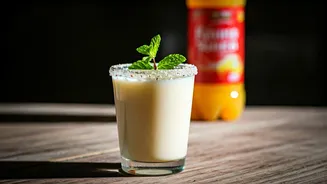
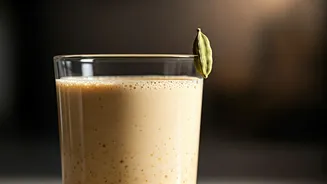
From roadside stalls to our own kitchens, the default summer cooler has become a sugar bomb. A glass of market-style sweet lassi can contain upwards of 4-6 teaspoons of sugar. Popular sherbets like Rooh Afza or rose syrup are often little more than sugar and
flavouring, with a single serving easily maxing out our recommended daily sugar intake. The World Health Organization suggests adults consume no more than 6 teaspoons of added sugar per day for optimal health. Many of us are consuming that in a single beverage, thinking we are hydrating and cooling down. This relentless sugar rush contributes to a host of lifestyle issues that are on the rise in India, including weight gain, insulin resistance, and an increased risk of type 2 diabetes. We’ve been conditioned to believe that 'refreshing' must mean 'sweet', but this is a modern and unhealthy misconception.
Back to Our Roots
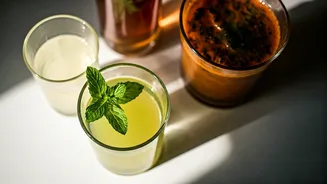
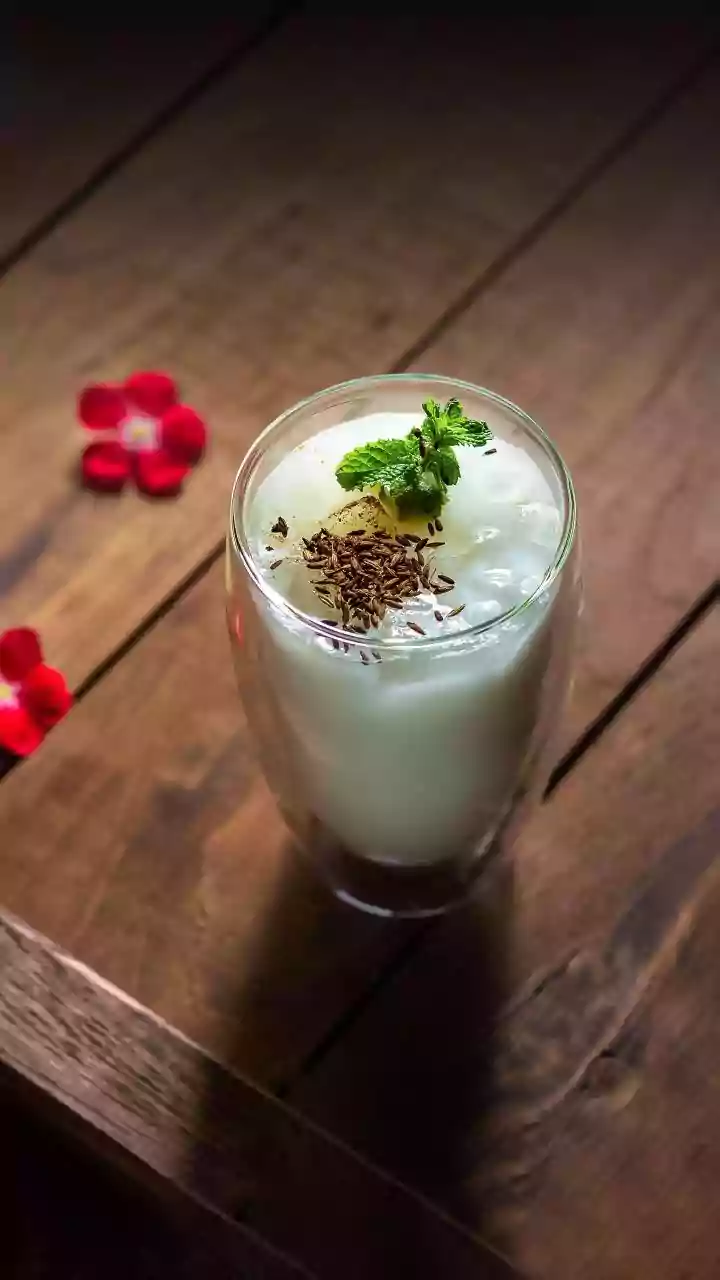
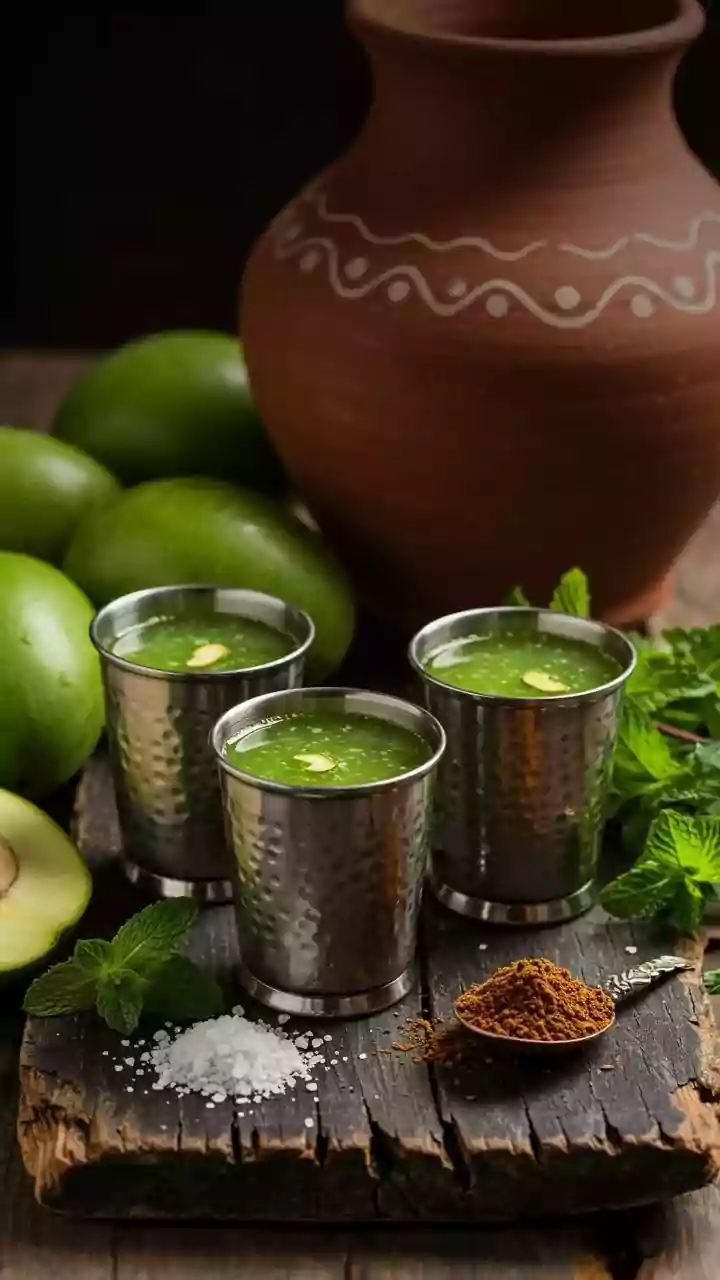
It wasn't always this way. Traditional Indian summer drinks were brilliantly designed for wellness, not just taste. They were culinary marvels of balance. Aam panna, made from raw green mangoes, was prized for its electrolytes and ability to prevent heat stroke, with its sweetness traditionally balanced by tangy, salty, and spicy notes from roasted cumin and black salt. Chaas (buttermilk) and salty lassi were probiotic powerhouses, meant to aid digestion and replenish sodium lost through sweat. Jaljeera was a digestive tonic, packed with cooling herbs like mint and spices that kick-started appetite in the sweltering heat. The wisdom was in the synergy of ingredients. Sugar, if used at all, was a background note, often in the form of healthier alternatives like jaggery, used to balance flavours rather than dominate them. The shift towards cloying sweetness is a relatively recent phenomenon, driven by commercialisation and a palate that has forgotten the complexity of other tastes.
Making Your Drinks 'Sensible' Again
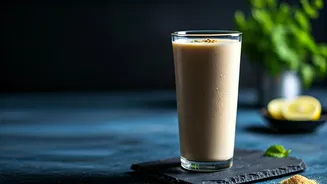
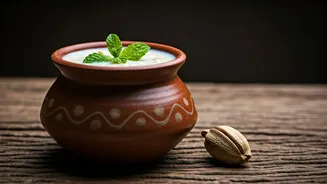
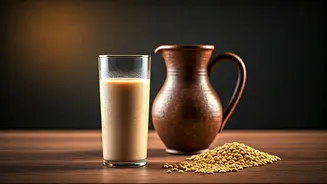
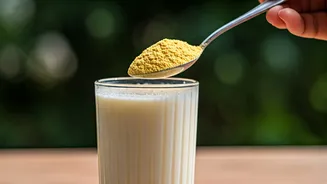
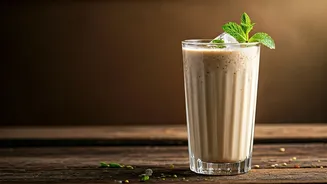
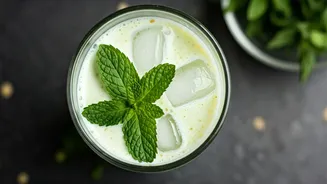
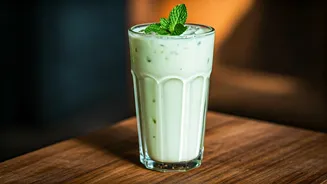
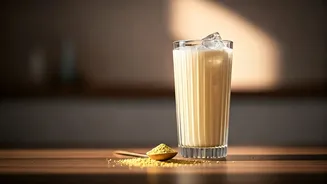
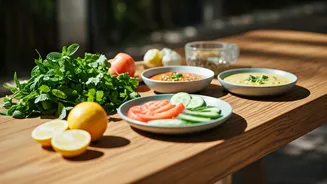
Reclaiming the 'sense' in our summer drinks is easier than you think. It's not about deprivation; it's about rediscovery. Start with your everyday nimbu pani or shikanji. Instead of loading it with sugar, make black salt (kala namak) and roasted cumin powder the star players. This salty-sour combination is a far more effective hydrator than plain sugar water. When you crave lassi, opt for a savoury version. Blend thick curd with water, mint, coriander, ginger, and a pinch of salt for a truly cooling and gut-friendly drink. Or, make chaas your go-to. Explore other traditional gems that are naturally low in sugar. Bel (wood apple) sherbet is fantastic for digestion and cooling the body. Sattu sherbet, a humble drink from Bihar and UP, is a protein-packed powerhouse that provides sustained energy. These drinks offer a spectrum of flavours—tangy, earthy, spicy, and herbal—that are far more interesting and satisfying than one-dimensional sweetness.
A New Summer Mindset
Choosing less sugar isn’t a punishment; it’s an upgrade. It’s about training your palate to appreciate the subtle, complex flavours that have defined Indian cuisine for centuries. When you reduce the sugar, you start to actually taste the tartness of the lemon, the earthiness of the cumin, and the cooling freshness of the mint. You’re not just drinking a beverage; you’re consuming a functional food designed to help your body cope with the harsh climate. This summer, challenge the notion that every cold drink needs to be sweet. Experiment with spices, herbs, and different kinds of salts. By making this small shift, you are not just cutting down on empty calories; you are reconnecting with a deeper, more intelligent culinary heritage that prioritised well-being long before it became a modern trend.