
The First Rule: When in Doubt, Throw It Out
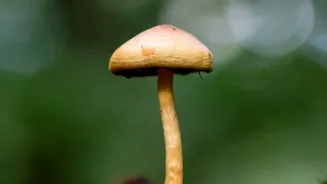
The most important rule of mushroom foraging is simple: if you cannot identify a mushroom with 100% certainty, do not eat it. Many delicious, edible mushrooms have poisonous lookalikes that can cause severe illness or even death. The deadly Death Cap
(Amanita phalloides), for example, is often mistaken for the edible Paddy Straw mushroom. Popular myths, like a mushroom being safe if it doesn't change colour when cooked, are unreliable and dangerous. Rely only on positive, expert identification. For beginners, it's best to go with an experienced forager or start by eating only mushrooms purchased from a reputable source.
Common Edible Monsoon Mushrooms in India
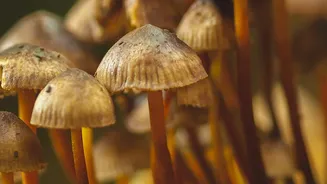
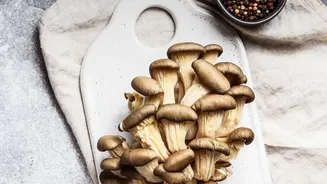
India is home to a variety of sought-after wild mushrooms that appear during the rainy season. One of the most prized is the Termitomyces group, locally known as 'Olmi' in Goa or 'Alami'. These mushrooms grow on or near termite mounds and are celebrated for their meaty texture. In Jharkhand, 'Rugda' or 'Putu' is known as 'vegetarian mutton' and grows near Sal trees. Other popular varieties include the meaty Milky Mushroom (Calocybe indica), native to India, and various oyster mushrooms that grow on decaying logs. Traditional knowledge from local communities is often the key to locating these seasonal treats.
Recognising Dangerous Impostors
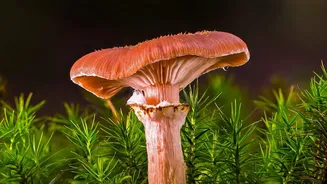
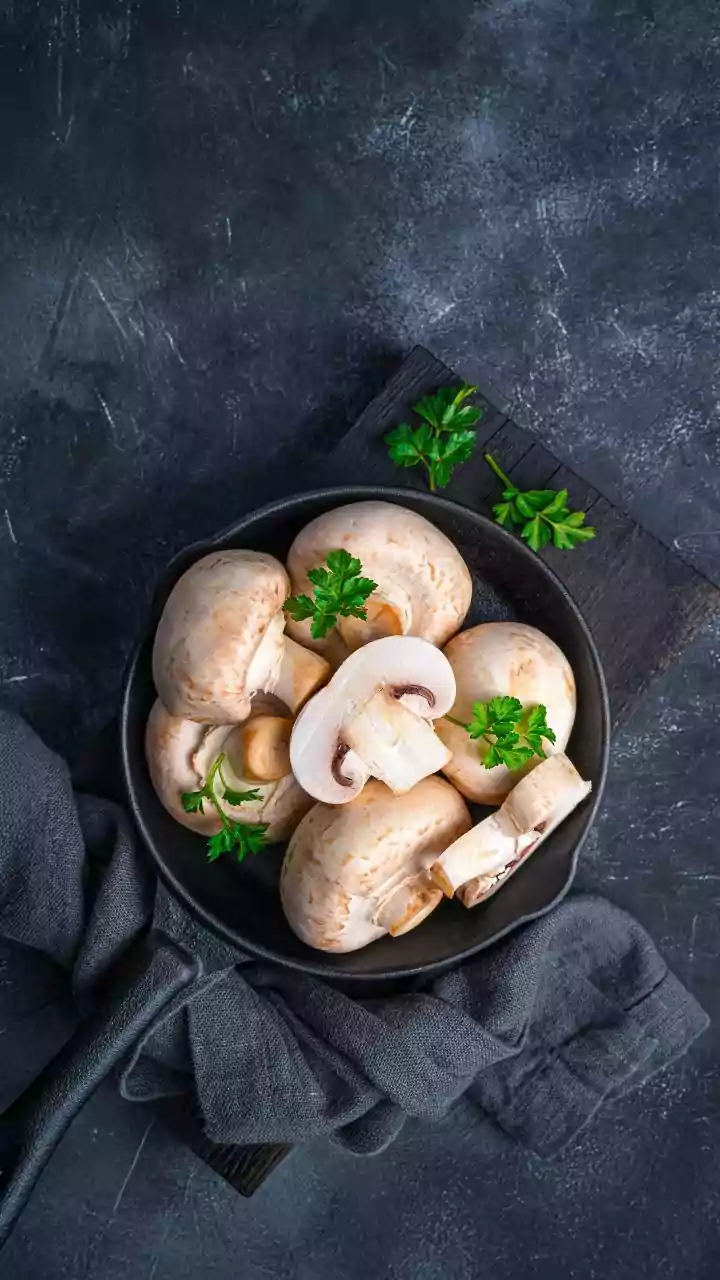
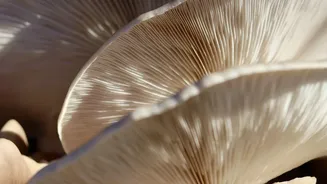
Accurate identification is critical because of toxic mimics. The genus Amanita contains some of the world's deadliest mushrooms, including the Death Cap and Destroying Angel, both of which can be mistaken for edible white mushrooms. A key identifier for many dangerous Amanitas is the presence of a cup-like structure at the base of the stem, called a volva, which might be underground. They also typically have a ring on the stem and white gills. Another poisonous variety is the False Morel, which has a wrinkled, brain-like cap, unlike the true morel's distinct honeycomb pattern. Chlorophyllum molybdites, a common cause of poisoning, looks similar to some edible field mushrooms but has a greenish spore print.
Proper Storage to Preserve Freshness
Once you have your verified edible mushrooms, proper storage is key to maintaining their quality. Wild mushrooms are highly perishable. Do not store them in plastic bags, which trap moisture and accelerate decay. A brown paper bag stored in the main compartment of your refrigerator is the best option, as it allows the mushrooms to breathe and stay dry. For cleaning, most mushrooms only need to be brushed gently to remove dirt. If you must rinse them, do so quickly and dry them thoroughly, as they absorb water. For long-term storage, sautéing them and then freezing is a great option. Dehydrating also works well for many species, concentrating their flavour.
Why You Must Cook Wild Mushrooms
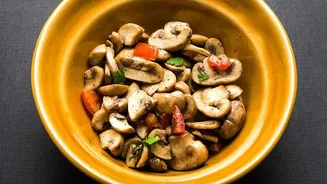
Never eat wild mushrooms raw. Cooking is essential not only for flavour but also for safety. Heat helps break down some of the tough-to-digest compounds in mushrooms, making their nutrients more available. More importantly, cooking can neutralize certain mild toxins present in some edible species. However, it is crucial to understand that cooking does NOT destroy the potent toxins found in deadly mushrooms like the Death Cap. Sautéing, roasting, or adding them to curries are excellent ways to prepare them. A simple sauté with garlic and herbs can bring out their natural, earthy flavours.
Signs of Poisoning and What to Do
Symptoms of mushroom poisoning can range from mild gastrointestinal distress to life-threatening organ failure. Common early symptoms include nausea, vomiting, stomach cramps, and diarrhoea, which can appear anywhere from 20 minutes to several hours after ingestion. A dangerous red flag is when these symptoms appear more than six hours after eating, as this is characteristic of poisoning by highly toxic species like the Death Cap. Other serious symptoms can include confusion, visual distortions, or excessive sweating. If you suspect you or someone else has eaten a poisonous mushroom, do not wait for symptoms to appear. Seek immediate medical attention. If possible, bring a sample of the mushroom (uncooked) with you to the hospital for identification.