







The Urban Heat Island Explained
This phenomenon is known as the Urban Heat Island (UHI) effect. It's the reason why cities are often significantly warmer than their surrounding rural or suburban areas. While you might notice the difference during the day, the effect is most pronounced
and dangerous at night. Materials common in cities absorb the sun's energy all day and then, like a hot pan taken off the stove, slowly radiate that heat back out into the air, a process that continues for hours after sunset.
Concrete and Asphalt: The Primary Culprits
Concrete and asphalt are the biggest contributors to this nighttime heat. Dark-coloured asphalt, in particular, is extremely effective at absorbing solar radiation, reflecting as little as 5% of the sunlight that hits it. These surfaces can reach scorching temperatures during the day, sometimes exceeding 60°C. Concrete, while generally lighter in colour and more reflective than asphalt, still absorbs and retains a massive amount of heat. This stored thermal energy is then gradually released, preventing the city from cooling down at the same rate as a natural landscape.
How City Shapes Trap Heat
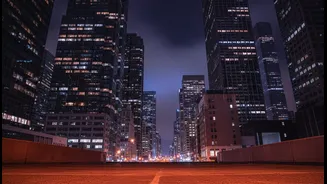
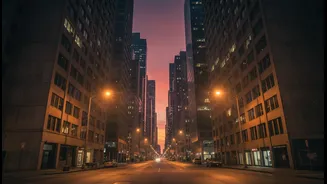
The very geometry of a city contributes to the problem. Tall buildings clustered closely together create what are known as "urban canyons." These canyons not only absorb and re-radiate heat from their multiple surfaces but also block wind that would otherwise help to dissipate the warmth. The heat becomes trapped near the ground, unable to escape into the upper atmosphere, blanketing the city in a bubble of warm air long after midnight. The more grid-like and densely packed the buildings are, the more efficient they become at trapping heat during the day and releasing it at night.
The Danger of No Nighttime Relief
The real danger lies in the lack of a cool-down period. Health experts warn that high overnight temperatures are particularly hazardous because the human body is deprived of the chance to recover from the heat stress accumulated during the day. When the night air remains warm, our core temperature cannot drop, increasing the strain on the cardiovascular system and elevating the risk of heat exhaustion, heatstroke, and even death. This risk is amplified for vulnerable populations, including the elderly, young children, and individuals with pre-existing health conditions.
Human Activity Adds to the Fire
It's not just the buildings; it's also our activity within them. Waste heat generated by cars, industrial processes, and especially air conditioning units adds more warmth to the urban environment. An air conditioner works by pumping heat from inside a building to the outside. In a dense city with thousands of units running simultaneously, especially during the evening, this collective exhaust significantly contributes to the ambient temperature, further intensifying the urban heat island effect just when the city is supposed to be cooling down.