





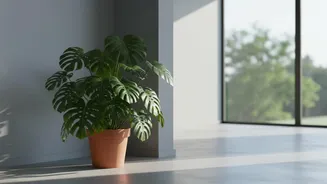
The Psychological Need for a Sanctuary
Having a space that is exclusively your own isn't a selfish luxury; it's a psychological necessity. Experts on mental well-being emphasise the importance of personal space for managing stress, fostering a sense of autonomy, and achieving mental clarity.
This private zone acts as a buffer against the constant demands of the outside world, allowing you to decompress and recharge. Think of it as your personal reset button. Solitude, even in small doses, is linked to reduced stress and provides an opportunity for reflection and self-discovery. When you have a dedicated sanctuary, you grant yourself permission to disconnect from external pressures and reconnect with your inner self. This space allows for emotional regulation without the pressure of performing for others, creating a sense of security and control. It’s a place where you can exist without an agenda, a fundamental aspect of self-care.
Navigating 'Atithi Devo Bhava'
In India, the ethos of hospitality is deeply ingrained. The principle of 'Atithi Devo Bhava'—meaning 'the guest is God'—is a cherished cultural value that shapes social interactions. It encourages us to treat guests with the utmost respect and generosity, often going to great lengths to ensure their comfort. This beautiful tradition fosters community and warmth, but it can also create an internal conflict when it clashes with our need for personal boundaries. The idea of cordoning off a part of your home might feel like a direct contradiction to this spirit of welcoming. However, reframing the issue is key. Protecting a personal retreat isn't about rejecting hospitality; it's about preserving the energy required to be a gracious host. When your own well-being is compromised from a lack of personal space, your ability to be genuinely present and welcoming to others diminishes. True hospitality shouldn't come at the cost of your own peace.
Your Retreat, Your Rules
What defines this off-limits retreat? It doesn't have to be a grand library or a sprawling studio. It can be as simple as a comfortable armchair by a window, a small desk where you journal, or a corner of the terrace with your favourite plants. The defining characteristic isn't its size but its purpose: it's a zone of mental and emotional peace. This is your 'third place' within your own home—a concept sociologists use to describe spaces outside of home and work where we relax and connect. While a third place is typically public, creating a micro-version at home serves a similar function of restoration. It’s where you go to think, create, or simply be, without interruption. By designating it as a personal-only zone, you preserve its restorative power. It becomes a reliable haven where you know you can find quiet and solitude, which is essential for creative thinking and emotional processing.
Setting Boundaries with Grace
Declaring a space off-limits requires tact, especially with friends and family. The key is to be polite but firm, framing it as a personal need rather than a rejection of your guest. You don’t need to lock the door or put up a sign. A simple, honest explanation often works best. You could say, "I’m so happy to have you here! Just so you know, this little corner is my dedicated workspace/quiet zone where I recharge. The rest of the house is all yours to enjoy." This approach communicates the boundary without making the guest feel unwelcome. It redefines the room as a functional space, like an office, rather than a leisure area they're being excluded from. Remember, setting a boundary is about communicating your needs respectfully. It's not an act of hostility but one of self-preservation that, in the long run, allows you to be a more present and happier host.