



What Is Zone 2 Training?
Fitness training is often categorized into five heart rate zones, from very light activity (Zone 1) to maximum effort (Zone 5). Zone 2 refers to exercising at a steady, moderate intensity, typically between 60% and 70% of your maximum heart rate. This
is often called the “conversational pace” because you should be able to hold a conversation without gasping for breath. While it might feel too easy for those accustomed to high-intensity workouts, this zone is a powerhouse for building endurance. Training in Zone 2 improves your body's ability to use oxygen efficiently, strengthens your heart, and enhances your aerobic base, which is the foundation of all cardiovascular fitness.
Why the Rowing Machine Is Ideal
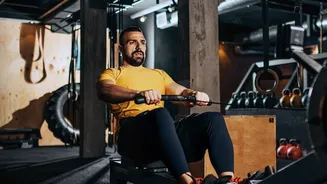
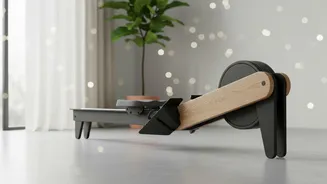
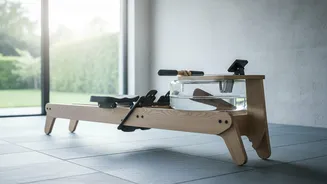
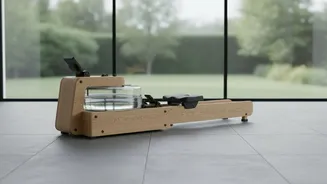
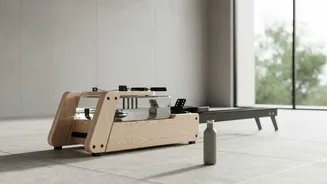
The rowing machine is a perfect partner for Zone 2 training. Unlike running, which can be hard on the knees and hips, rowing is a low-impact activity that is gentle on your joints. A proper rowing stroke is a fluid, coordinated movement that engages up to 85% of your body's muscles, including your legs, core, back, and arms. This full-body engagement means you get a comprehensive workout that burns calories efficiently while strengthening your entire cardiovascular system. The machine allows you to maintain a steady, controlled pace, making it easy to stay within your target heart rate zone for extended periods, which is the key to a successful Zone 2 session.
Finding Your Personal Zone 2
To train effectively, you first need to determine your personal Zone 2 heart rate. The most common and straightforward method is to estimate your maximum heart rate (MHR) and calculate the 60-70% range. To find your MHR, use the simple formula: 220 minus your age. For example, if you are 40 years old, your estimated MHR is 180 beats per minute (bpm). Your Zone 2 would then be between 108 bpm (60% of 180) and 126 bpm (70% of 180). For the most accurate tracking, a chest strap heart rate monitor is recommended, but a smartwatch can also work well for steady-state cardio like this. Alternatively, rely on the “talk test”: if you can speak in full sentences but can't sing, you are likely in the right zone.
Structuring Your Zone 2 Rowing Workout
The beauty of a Zone 2 workout is its simplicity. The goal is duration at a steady pace, not exhausting intensity. For beginners, a good starting point is two to three sessions per week, aiming for at least 30 minutes per workout. A sample session could look like this: Start with a 5-minute warm-up of light rowing at a low stroke rate (around 18-20 strokes per minute). Then, settle into your Zone 2 pace for 20-30 minutes, keeping your heart rate within its target range. Focus on maintaining a consistent pace rather than pushing harder. Finally, finish with a 5-minute cool-down, gradually reducing your intensity. As your fitness improves, you can increase the duration of your main set.
Focus on Proper Form to Protect Joints
The claim of a workout being “free from joint stress” is only true if performed with correct technique. Improper rowing form can lead to strain, particularly in the lower back. The rowing stroke consists of four phases: the catch, drive, finish, and recovery. The power should come primarily from your legs. The sequence is legs, then core, then arms on the drive. During the recovery, the order is reversed: extend your arms, pivot your body forward from the hips, and then bend your knees. Maintaining a straight, strong posture is crucial. By focusing on this sequence and avoiding rushing, you ensure the movement remains fluid and safe, allowing you to reap all the benefits without the risk of injury.