

Bhai Dooj celebrates the cherished bond between siblings, and like any Indian festival, sweets are at its heart. This guide offers a simple, heartwarming recipe for Sweet Potato Halwa, a perfect homemade treat to mark this special occasion.
The Sweet Bond of Bhai Dooj
Celebrated
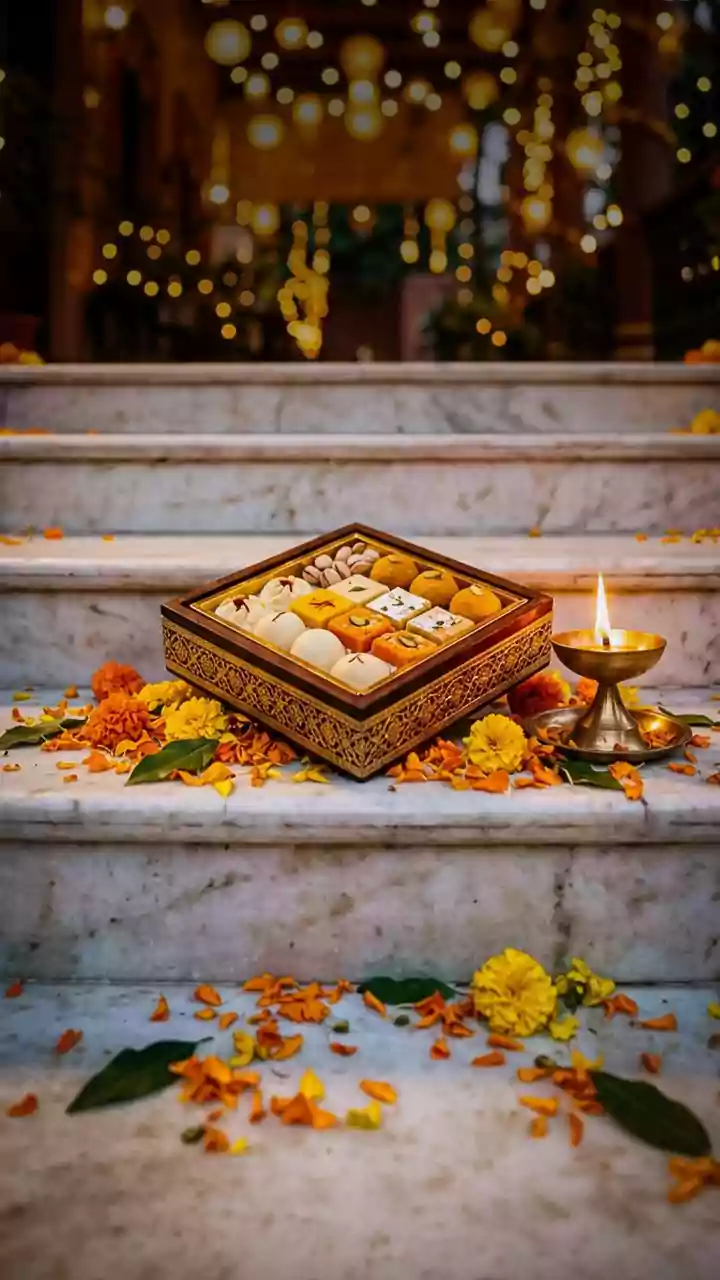
two days after Diwali, Bhai Dooj is a festival dedicated to the love between brothers and sisters. The ceremony is simple yet profound: a sister applies a 'tika' or 'tilak' on her brother's forehead, performs an aarti, and prays for his long life and prosperity. In return, the brother offers a gift and vows to protect her. Central to this entire ritual is the exchange of sweets, symbolising the sweetness and affection in their relationship. Whether homemade or store-bought, these treats are an expression of love and care.
A Festival of Flavours
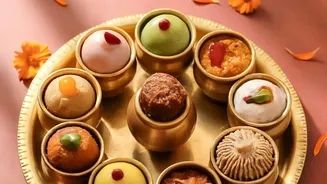
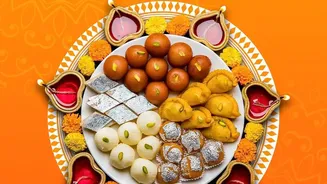
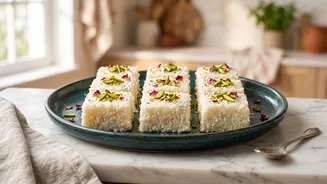
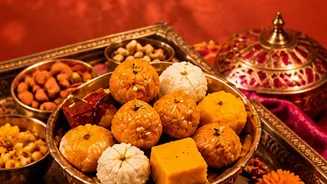
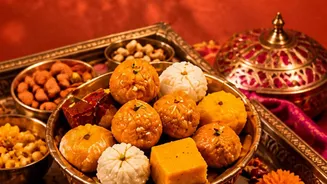
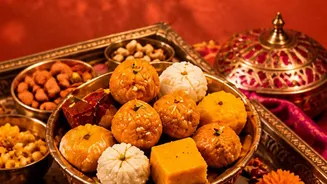
While there is no single sweet mandated for Bhai Dooj, traditions vary across regions. In Maharashtra, you might find Basundi Poori, while in Bihar, the flaky pastry Khaja is popular. However, some sweets are universally loved and appear on celebration thalis everywhere. Milk-based puddings like Kheer are common, representing purity and piety. Ladoos, whether made from besan, boondi, or coconut, are another festive staple. The act of preparing and sharing these sweets is a symbolic gesture, reinforcing the deep affection that siblings have for each other.
Why Sweet Potato Halwa?
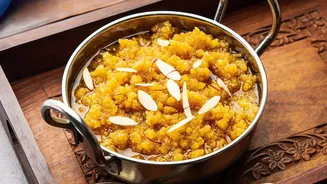
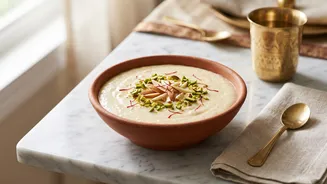
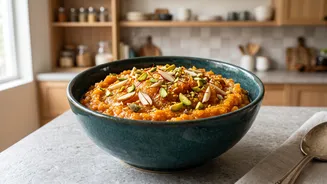
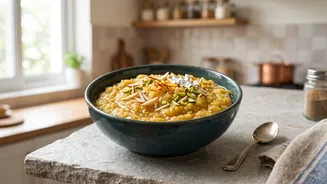
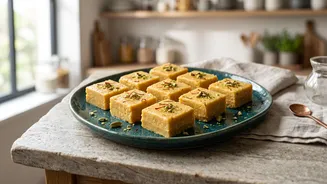
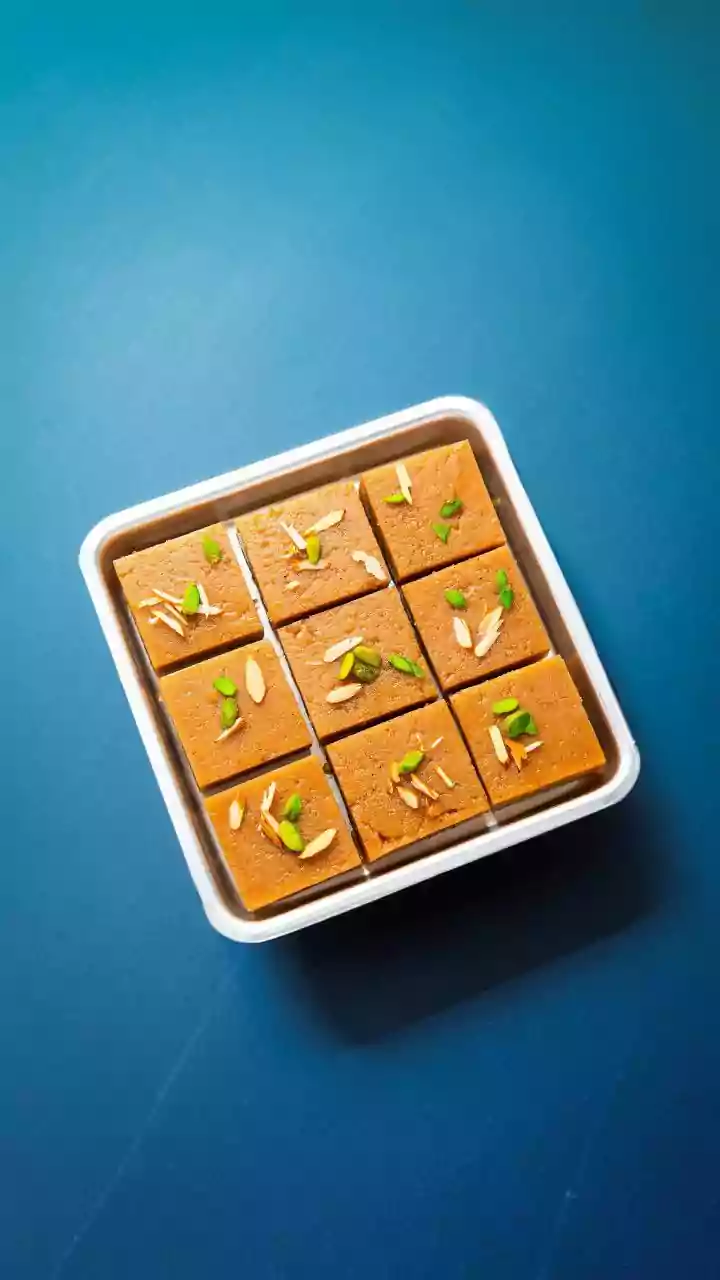
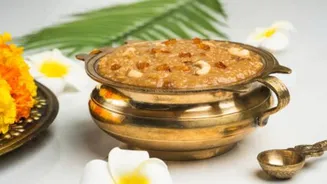
Among the myriad of options, Sweet Potato Halwa, or 'Shakarkandi ka Halwa', stands out as a wonderfully fitting choice for Bhai Dooj. It's a comforting, nutritious, and relatively simple dessert to prepare. Sweet potatoes are naturally sweet, which means you don't need to add an excessive amount of sugar. This root vegetable is packed with fibre, vitamins, and minerals, making the halwa a healthier indulgence. Its warm, melt-in-the-mouth texture and beautiful golden hue make it a festive treat that feels both special and wholesome.
Your Simple Ingredient Checklist
This recipe focuses on simplicity and accessibility. You won't need to hunt for rare ingredients; most will already be in your kitchen pantry. - Sweet Potatoes (Shakarkandi): About 2–3 medium–sized ones. - Ghee: 3–4 tablespoons for that authentic richness and aroma. - Sweetener: 4 tablespoons of sugar or jaggery, adjustable to your taste and the natural sweetness of the potatoes. - Milk: About half a cup. You can use dairy or a plant–based alternative. - Cardamom Powder (Elaichi): Half a teaspoon for fragrance. - Nuts: A handful of cashews or almonds, chopped, for garnish and crunch. - Saffron (Kesar): A few strands soaked in warm milk for colour and a festive flavour (optional).
Step–by–Step to a Perfect Halwa
The best method for a smooth, lump–free halwa is to boil the sweet potatoes first. First, wash the sweet potatoes and boil or steam them until they are completely tender. Once they are cool enough to handle, peel the skin off and mash them thoroughly. Heat ghee in a heavy–bottomed pan and lightly fry the chopped nuts until golden, then set them aside. In the same pan, add the mashed sweet potato. Sauté for about 8–10 minutes, stirring continuously, until it becomes fragrant and slightly changes colour. Next, add your sweetener (sugar or jaggery) and mix well. The mixture will loosen as the sugar melts. Continue to stir and cook until it thickens again. Pour in the milk (and saffron–infused milk, if using) and cook until the liquid is absorbed and the halwa starts to pull away from the sides of the pan. This part requires some patience and continuous stirring, but it's key to the final texture. Finally, mix in the cardamom powder.
Tips for a Festive Finish
To elevate your halwa, garnish it with the fried nuts you set aside earlier. You can also add a few edible rose petals for a beautiful, festive look. The halwa tastes delicious served warm. For a richer flavour, ensure you use good quality ghee. Don't rush the sautéing process; cooking the mashed sweet potato in ghee is crucial for developing a deep, nutty aroma. If you prefer a more rustic texture, you can grate the raw sweet potato and cook it directly in the pan, though this method takes a bit longer. This halwa is a versatile dessert that is perfect for festive occasions and even for religious fasting days like Navratri.