
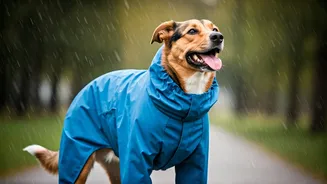


Why Monsoon is a Problem for Paws
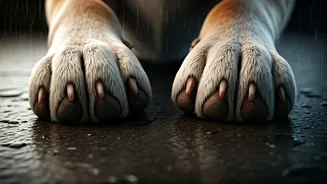
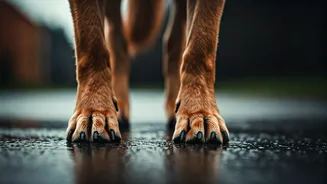
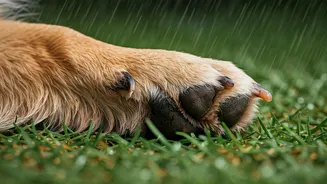
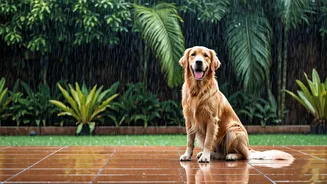
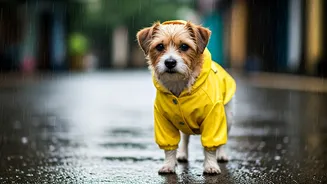
The high humidity of the Indian monsoon, often between 70-90%, means your dog's paws rarely get a chance to dry completely. This constant moisture, combined with walks through muddy water and contaminated streets, creates an ideal environment for bacteria
and fungi to thrive. The spaces between the toes are particularly vulnerable, as they trap moisture and debris, leading to conditions like pododermatitis—a general term for skin inflammation on the feet. This can cause intense irritation, pain, and infection if not managed proactively.
Signs of a Paw Infection to Watch For
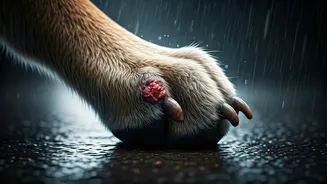
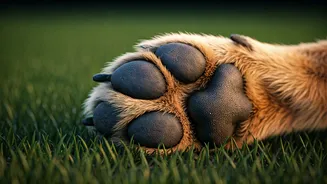
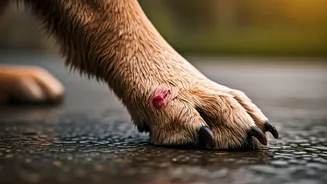
An infected paw is more than just a little dirty. Be vigilant for tell-tale signs that your dog is in discomfort. The most obvious symptom is persistent licking or chewing of the paws. You might also notice redness and swelling, especially between the toes. Other warning signs include a foul or musty "corn chip" odor, discharge or pus, limping, reluctance to walk, and visible sores or blisters. Sometimes, you'll see a reddish-brown staining on the fur around the paws, which is caused by saliva or a yeast overgrowth.
Prevention: The Post-Walk Ritual
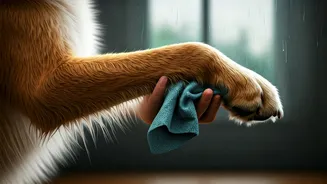
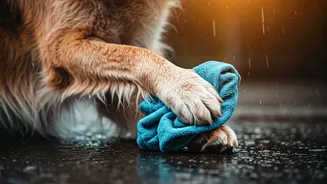
Prevention is the single most effective strategy. The most crucial habit to adopt is a consistent post-walk paw cleaning routine. After every single walk, no matter how short, thoroughly clean and dry your dog's paws. Use lukewarm water to rinse away mud and grime. Pay special attention to drying the area between each toe pad, as this is where moisture lingers the longest and causes the most problems. Using a highly absorbent microfibre towel is ideal for this. For long-haired breeds, keeping the fur between the toes trimmed short can significantly reduce the risk of trapped moisture and debris.
At-Home Care for Mild Irritation
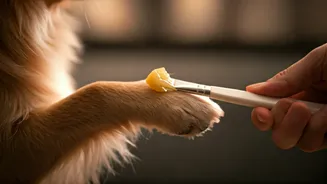
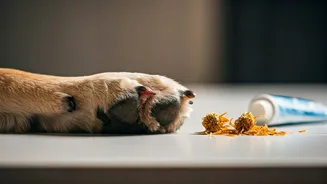
If you notice minor redness or irritation but no open sores or severe pain, you can take some steps at home. A gentle paw soak can provide relief. You can use a shallow bath of warm water, sometimes with a few drops of a vet-approved antiseptic like dilute chlorhexidine. A diluted rinse of apple cider vinegar and water (equal parts) also has antimicrobial properties, but should only be used on intact skin, never on open cuts. After any soak, it is critical to dry the paws completely. Applying a thin layer of a pet-safe paw balm can help moisturize and protect dry or slightly cracked pads.
When to See the Veterinarian Immediately
Home remedies are not a substitute for professional medical advice, especially when an infection is possible. You should contact your veterinarian immediately if you notice any of the following signs. If the swelling is severe or worsening, if your dog is limping heavily or refusing to put weight on the paw, or if there is an open, bleeding wound or foul-smelling discharge, professional help is required. Recurring infections also signal an underlying issue that needs a proper diagnosis, such as an allergy or an immune-mediated condition. A vet can perform tests like skin cytology to identify the exact cause (bacterial, fungal, or parasitic) and prescribe the correct oral medications or medicated shampoos for effective treatment.