






Why Cucumber is a Superb Treat
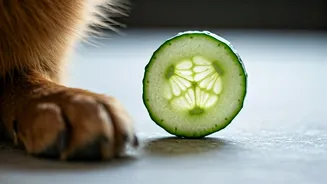
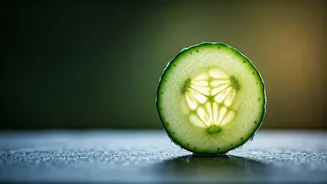
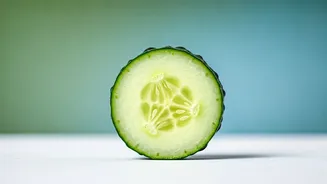
Before you head to the kitchen, let’s talk about why this is such a fantastic idea for your furry friend. Cucumbers are more than just a crunchy salad vegetable; they're a powerhouse of hydration and low-calorie goodness for dogs. Comprised of about 96%
water, they are an excellent way to help keep your dog hydrated, especially during the sweltering Indian summer. Unlike many commercial treats that are packed with fillers and calories, cucumbers are naturally low in fats and sugars, making them a guilt-free option for dogs on a weight management plan. They also contain beneficial nutrients like Vitamin K, Vitamin C, and magnesium, which contribute to healthy bones and overall wellness. Giving your dog a frozen cucumber treat isn't just about cooling them down; it’s about providing a healthy, nutrient-rich snack that supports their well-being.
The Simple Two-Ingredient Recipe
The beauty of this treat is its simplicity. You don't need a long list of fancy or expensive ingredients. All you need is: - One or two fresh cucumbers - A small amount of water (optional, to aid blending) That’s it. It is crucial to use only fresh cucumbers and water. Do not add any salt, sugar, spices, or artificial sweeteners. Xylitol, a common sugar substitute, is extremely toxic to dogs, and other seasonings can cause digestive upset. Keep it pure and simple. The cucumber itself is tasty enough for your dog. Make sure to wash the cucumbers thoroughly before use to remove any pesticides or dirt from the skin. There's no need to peel them, as the skin contains extra fibre and nutrients.
Step-by-Step: From Blender to Freezer
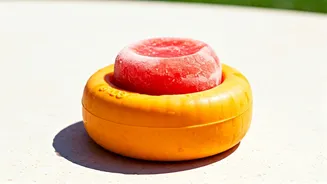
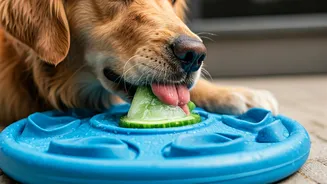
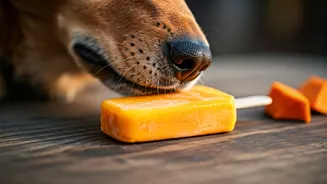
Ready to make this cool concoction? The process takes less than ten minutes of active prep time. 1. **Wash and Chop:** Start by washing your cucumbers thoroughly under running water. Chop them into chunks that are small enough to fit easily into your blender. You can leave the skin and seeds in, as they are perfectly safe for dogs and blend up easily. 2. **Blend to a Puree:** Place the cucumber chunks into a blender. If the mixture is too thick to blend smoothly, add a tablespoon or two of water to get things moving. Blend until you have a smooth, liquid puree, similar in consistency to a smoothie. 3. **Fill the Toys:** Carefully pour the blended cucumber juice into your dog’s puzzle toys. Leave a little space at the top, as the liquid will expand slightly as it freezes. Place the toys upright in your freezer to avoid spills. A muffin tin or an ice cube tray can be a great tool to keep the toys stable. 4. **Freeze Solid:** Let the toys freeze for at least four to six hours, or until the cucumber puree is completely solid. Once frozen, they are ready to serve.
Choosing the Right Puzzle Toy
The toy you use is just as important as the treat itself. The goal is to provide a safe and engaging experience. Look for durable, non-toxic rubber toys designed for stuffing and freezing. Brands like Kong, West Paw (specifically the Toppl), and other similar products are ideal for this purpose. They are designed to withstand chewing and can be easily cleaned. Always choose a toy size that is appropriate for your dog. A toy that is too small can become a choking hazard. For this frozen treat, a toy with a larger opening makes filling easier, while still providing a challenge for your dog to lick the contents out. After your dog has finished their treat, be sure to wash the toy thoroughly with soap and warm water to prevent bacteria from building up.
Serving Guidelines and Safety First
While this treat is healthy, moderation is key. Vets generally recommend that treats should make up no more than 10% of your dog's daily caloric intake. A frozen cucumber toy should be considered a special snack, not a meal replacement. When you give this treat to your dog for the first time, supervise them closely to ensure they are enjoying it safely and not attempting to bite off and swallow large chunks of the frozen toy. Furthermore, as with any new food, introduce it slowly. Give them a small lick of the puree before you freeze it or a small frozen piece to see how their digestive system reacts. While allergies to cucumber are rare, it's always best to be cautious. If your dog has any pre-existing health conditions or a sensitive stomach, it's always a good idea to consult your veterinarian before introducing new foods into their diet.