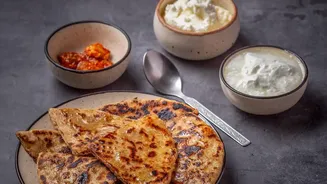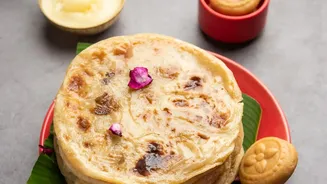



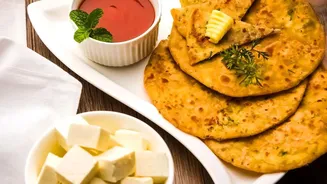

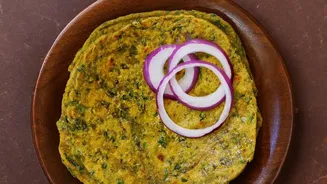
As winter settles in, our cravings turn to warm, comforting foods. This recipe offers the perfect solution: a healthy, delicious paratha that combines the earthy goodness of jowar with the sharp, seasonal notes of fresh radish (mooli).
A Perfect Winter Partnership
Jowar, or sorghum,
is a gluten-free millet that has been a staple in Indian households for generations. It is packed with nutrients, including high dietary fibre, protein, and essential minerals like iron and magnesium. Its complex carbohydrates provide a slow and steady release of energy, making it an excellent choice for managing blood sugar levels and weight. Radish, a quintessential winter vegetable, is celebrated for its digestive benefits and high vitamin C content. It aids in detoxification, boosts immunity, and its natural crunch adds a wonderful texture to any dish. When combined, jowar and radish create a paratha that is not only deeply flavourful but also incredibly nourishing, making it an ideal meal for the colder months.
Gather Your Ingredients
This recipe yields approximately 6-8 parathas. For the Dough and Filling: - 1.5 cups Jowar (Sorghum) Flour - 1 cup Grated Radish (Mooli) - 1/2 cup Finely Chopped Radish Leaves (optional, for extra nutrition) - 2-3 Green Chillies, finely chopped - 1 teaspoon Ginger, grated - 1/2 teaspoon Ajwain (Carom Seeds) - 1/2 teaspoon Red Chilli Powder (adjust to taste) - 1/4 teaspoon Turmeric Powder - 1 teaspoon Coriander Powder - A handful of Fresh Coriander Leaves, chopped - Salt to taste - Hot water, as needed - Ghee or oil for cooking
The Step-by-Step Method
1. Prepare the Radish: Place the grated radish in a bowl and sprinkle a generous pinch of salt over it. Let it rest for 15-20 minutes. This process, called maceration, will draw out excess water from the radish. Squeeze the grated radish firmly to remove as much water as possible. This step is crucial to prevent the dough from becoming too sticky. Reserve the squeezed-out radish water; you can use it while kneading. 2. Knead the Dough: In a large mixing bowl, combine the jowar flour, the squeezed radish, chopped radish leaves (if using), green chillies, grated ginger, ajwain, red chilli powder, turmeric powder, coriander powder, and fresh coriander leaves. Mix all the dry ingredients thoroughly. Gradually add hot water (and the reserved radish water) to the mixture. Jowar flour requires hot water to bind properly. Knead for 5-7 minutes until you have a soft, smooth, and pliable dough. 3. Roll the Parathas: Divide the dough into equal-sized balls. Since jowar flour is gluten-free, the dough can be delicate. The easiest way to roll the parathas is by placing a dough ball between two sheets of parchment paper or on a plastic sheet and gently patting or rolling it out to your desired thickness. Dusting with a little dry jowar flour can also help. 4. Cook to Perfection: Heat a tawa or griddle over medium heat. Carefully transfer a rolled paratha onto the hot tawa. Cook for about a minute or until small bubbles appear. Flip the paratha, apply a little ghee or oil on the cooked side, and flip again. Gently press with a spatula to help it cook evenly until golden brown spots appear on both sides. Repeat the process for the remaining dough.
Tips for Perfect Jowar-Radish Parathas
Working with gluten-free jowar flour can be tricky, but these tips will ensure success. Always use hot water to knead the dough; this makes it more pliable and less prone to cracking. Don't skip salting and squeezing the radish, as excess moisture is the main culprit behind a sticky, unmanageable dough. If the dough still feels too wet, add a little more jowar flour. If it seems too dry and crumbly, add a few drops of warm water. Kneading the dough well is key to a smooth texture. Finally, cooking the parathas on a medium-hot tawa prevents them from drying out and becoming hard.