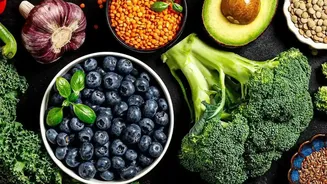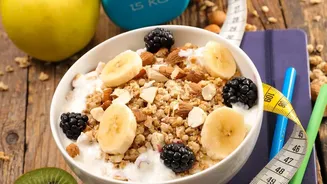








Managing diabetes often starts with the first meal of the day. A balanced, blood-sugar-friendly breakfast can set the tone for hours. Adding high-fibre seeds is a simple yet powerful strategy to achieve this balance and boost nutritional intake.
1. Chia Seeds: The Fibre Powerhouse
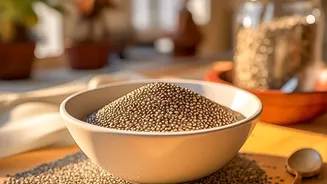
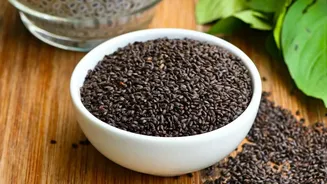
Chia seeds
are tiny nutritional giants, renowned for their exceptionally high fibre content. A significant portion of this is soluble fibre, which forms a gel-like substance when mixed with liquid. This gel slows down digestion, which in turn slows the absorption of glucose into the bloodstream, helping to prevent sharp spikes in blood sugar after a meal. Rich in omega-3 fatty acids, protein, and essential minerals like magnesium, chia seeds also support heart health and improve insulin sensitivity. Their ability to absorb liquid makes them perfect for creating a satisfying breakfast pudding. Simply soak a few tablespoons in milk or yoghurt overnight for a ready-to-eat meal. You can also stir them into oatmeal or smoothies.
2. Flaxseeds: For Hormonal and Heart Health
Flaxseeds, also known as 'alsi', are another excellent source of soluble fibre and alpha-linolenic acid (ALA), a type of plant-based omega-3 fatty acid. This combination is effective at improving insulin sensitivity and controlling blood sugar levels. One of the unique properties of flaxseeds is their high concentration of lignans, which are plant compounds with powerful antioxidant properties that may help reduce the risk of heart disease, a common concern for individuals with diabetes. To unlock their full benefits, it's best to consume flaxseeds in ground form, as the whole seeds can pass through the digestive system undigested. Sprinkle ground flaxseed over your morning yoghurt, blend it into a smoothie, or mix it into whole-wheat roti dough.
3. Pumpkin Seeds: The Mineral Boost
Often called pepitas, pumpkin seeds are packed with nutrients that are particularly beneficial for diabetes management. They are one of the best natural sources of magnesium, a mineral that plays a crucial role in the body's insulin response and glucose control. Many people with diabetes have low magnesium levels, and incorporating pumpkin seeds can help address this deficiency. These seeds are also a good source of healthy fats, protein, and zinc, which supports pancreatic function. Their low glycemic index means they have a minimal impact on blood sugar levels. Enjoy a small handful as a snack or sprinkle them over oatmeal, salads, or avocado toast for a satisfying crunch.
4. Sunflower Seeds: Rich in Vitamin E
Sunflower seeds offer a delightful nutty flavour and a wealth of health benefits. They are particularly rich in vitamin E, a potent antioxidant that helps combat inflammation, which is often elevated in people with type 2 diabetes. Along with healthy fats and protein, sunflower seeds contain a plant compound called chlorogenic acid, which studies suggest may help lower blood sugar levels. The combination of fibre, fat, and protein in these seeds helps to slow stomach emptying, allowing for a more gradual release of sugar from carbohydrates consumed during the same meal. For a simple breakfast boost, add a tablespoon of unsalted sunflower seeds to your cereal, trail mix, or cottage cheese.
5. Sesame Seeds: Small but Mighty
Though small, sesame seeds are loaded with protein, healthy fats, and minerals like magnesium, calcium, and zinc. They are particularly valued for their unique antioxidants, sesamin and sesamolin, which contribute to their health benefits. The fibre and healthy fats in sesame seeds help in the slow release of sugar, contributing to better glycemic control. They are also a great source of plant-based protein, which promotes satiety and helps maintain muscle mass. You can easily incorporate them into your breakfast by sprinkling them over upma or poha, adding them to a savoury cheela batter, or using tahini (a paste made from sesame seeds) as a spread on whole-grain toast.