






The Ancient Science of Cool
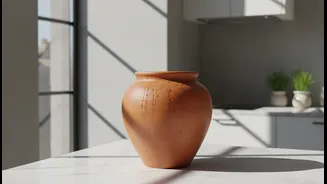
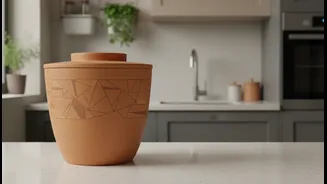
Long before refrigerators, there was terracotta. The magic of a matka or ghada isn't nostalgia; it's a simple, brilliant science called evaporative cooling. Terracotta is a porous material, meaning it has microscopic holes. When water is stored in an unglazed
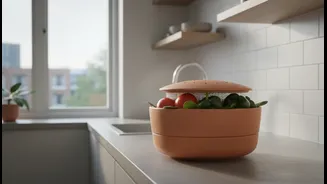
clay pot, a tiny amount seeps through these pores to the outer surface. As this water evaporates in contact with the air, it draws heat away from the pot, naturally and continuously cooling the contents inside. This age-old method doesn't just keep water refreshingly cool without electricity; it also works wonders for preserving the freshness of fruits and vegetables, keeping them crisp for longer than if they were left on a counter.
The Urban Kitchen Challenge
Modern urban kitchens, especially in bustling Indian cities, present a unique set of challenges. Counter space is a premium, every square inch fought over by a toaster, a mixer-grinder, and the latest coffee machine. At the same time, there's a growing desire for a more sustainable lifestyle. This includes reducing electricity consumption and minimising food waste. The standard refrigerator, while essential, is not always the ideal environment for all produce, and its constant hum contributes significantly to household energy bills. City dwellers are increasingly looking for solutions that are not only functional and space-saving but also align with a greener, more conscious way of living.
Minimalism Meets the Matka
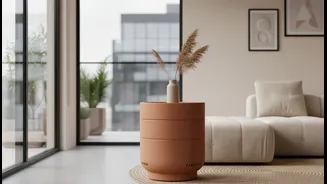
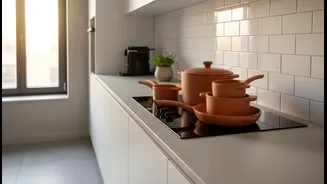
This is where designers are stepping in, reimagining traditional terracotta for the 21st-century home. The redesign is focused on minimalism and modularity. Forget the bulky, rounded pots of the past. Today's terracotta cooling cookware features clean lines, sleek silhouettes, and neutral, earthy tones that complement modern kitchen aesthetics. Brands and designers are creating vertical, stackable systems that occupy a small footprint on the counter. Think modular units for keeping vegetables, fruits, and even dairy products like curd and paneer cool. Some designs incorporate features like self-watering mechanisms and dedicated spouts, blending ancient principles with contemporary convenience. These pieces are designed to be both beautiful and highly functional, transforming a simple storage item into a design statement.
More Than Just Good Looks
The new wave of terracotta cookware offers tangible benefits perfectly suited to urban life. Its vertical, modular design saves precious counter space, a critical concern in compact apartments. By providing an optimal, naturally cool, and humid environment, these containers can extend the life of fresh produce, reducing food waste and saving money. The ability to store certain items outside the fridge frees up valuable refrigerator space and lowers energy consumption. Furthermore, terracotta is known to be alkaline, which can help balance the pH of stored food and water, potentially making them easier to digest. It’s a holistic solution that addresses space, sustainability, and well-being in one elegant package.
A Statement of Sustainable Living
Ultimately, the rise of minimalist terracotta cookware is part of a larger movement towards mindful consumption and sustainable living. Choosing a clay pot over a plastic container or an extra mini-fridge is a conscious decision. It's an embrace of natural materials, a nod to the wisdom of our ancestors, and a small but meaningful step towards a less energy-intensive lifestyle. As designers continue to innovate, blending traditional craft with modern needs, these beautiful and practical objects are helping to redefine what a smart, sustainable, and stylish urban kitchen can look like. They prove that sometimes, the best solutions for the future are rooted firmly in the past.