


Understanding the August 2026 Flood
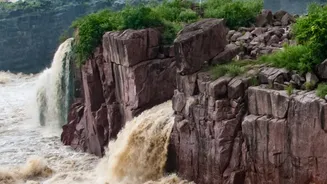
On August 26, a massive flash flood, triggered by a glacial collapse high in the Himalayas, swept down the Bhote Koshi and Trishuli river systems. This was not a typical monsoon flood; it was a sudden, violent debris flow that caused severe destruction
in specific northern districts bordering Tibet. The primary areas hit were Rasuwa, Nuwakot, and Dhading districts. Reports indicate catastrophic damage to roads, bridges, and settlements along this river corridor, including the vital Rasuwagadhi-Gyirong border crossing into China. The event has tragically resulted in a high number of casualties and missing persons, including foreign nationals. Rescue and recovery operations are extensive and ongoing.
Which Areas Are Directly Affected?
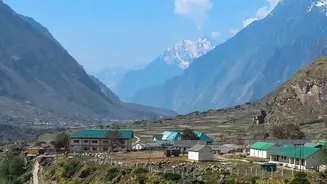
The disaster's impact is highly localized. The Australian government advises reconsidering travel to areas within 50 kilometres of the Trishuli River in Rasuwa, Nuwakot, Dhading, Nawalpur, and Gorkha Districts due to the severe damage and risk of further flooding. The Langtang trekking region, which uses Syabrubesi as a gateway, is currently inaccessible as the main road was destroyed. The Nepal Tourism Board has specifically advised avoiding the Galchhi-Nuwakot-Rasuwa-Syabrubesi corridor. Any travel plans that involve overland routes to the Tibet border or trekking in the Langtang valley are not feasible at this time and should be postponed indefinitely.
What's Open and Safe for Tourists?
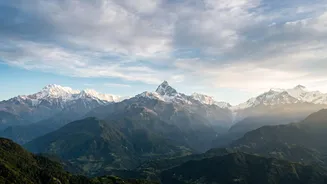
Crucially, most of Nepal's major tourist destinations were completely untouched by the floods and remain fully operational. The disaster was confined to a specific northern river system. Regions like the Everest Base Camp trek area (Khumbu), the entire Annapurna region (including the Annapurna Circuit and Poon Hill), and Pokhara are safe and running as normal. The capital, Kathmandu, and its UNESCO heritage sites were not affected. Chitwan National Park, another popular destination, is also reported to be safe and accessible. Tribhuvan International Airport (KTM) in Kathmandu is operating normally for both international and domestic flights.
Road Conditions and Overland Travel
While highways in the disaster zone are closed, major tourist arteries are largely open. As of late August, overland travel between Kathmandu and Pokhara, and Kathmandu and Chitwan, is operating normally. However, the tail end of the monsoon season, which lasts through September, can still bring heavy rains causing temporary landslides and delays on mountain roads. Authorities have also warned of potential further flooding due to monsoon rains in central Nepal, which could interrupt rescue operations and travel. Travelers planning overland journeys should remain flexible, check road conditions with local operators before departure, and anticipate that travel times may be longer than usual.
Advice for September Travelers
If your itinerary is focused on the Everest or Annapurna regions, Pokhara, Kathmandu, or Chitwan, your plans should not be directly impacted by the flood disaster. However, if you planned to trek in the Langtang region or travel overland to Tibet, you must change your plans. For those proceeding with a trip, it is essential to communicate with your tour operator or hotel in Nepal to get the most current, on-the-ground information. Rely on official sources like the Nepal Tourism Board and your country's travel advisories rather than sensationalized media reports. All travelers should ensure they have comprehensive travel insurance that includes medical evacuation, a standard recommendation for any trip to Nepal.