



A Shopping List for the Skies
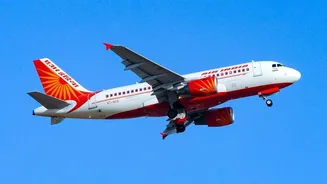
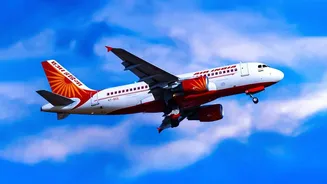
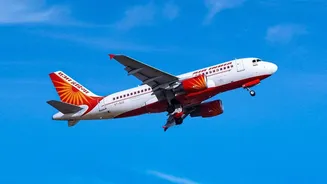
The prospect of 1,000 new aircraft orders comes on top of an already massive order book. Indian carriers, led by giants Air India and IndiGo, have existing orders for over 1,200 planes from global manufacturers Airbus and Boeing. In 2023, Air India, under
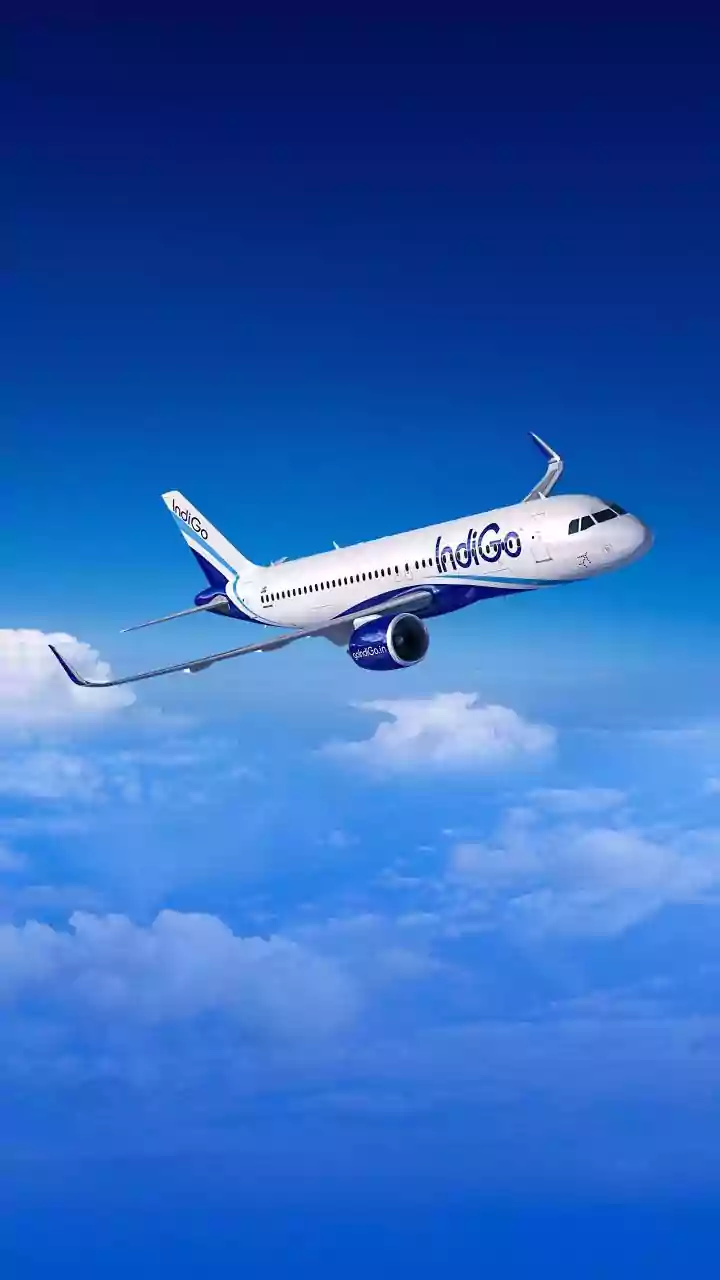
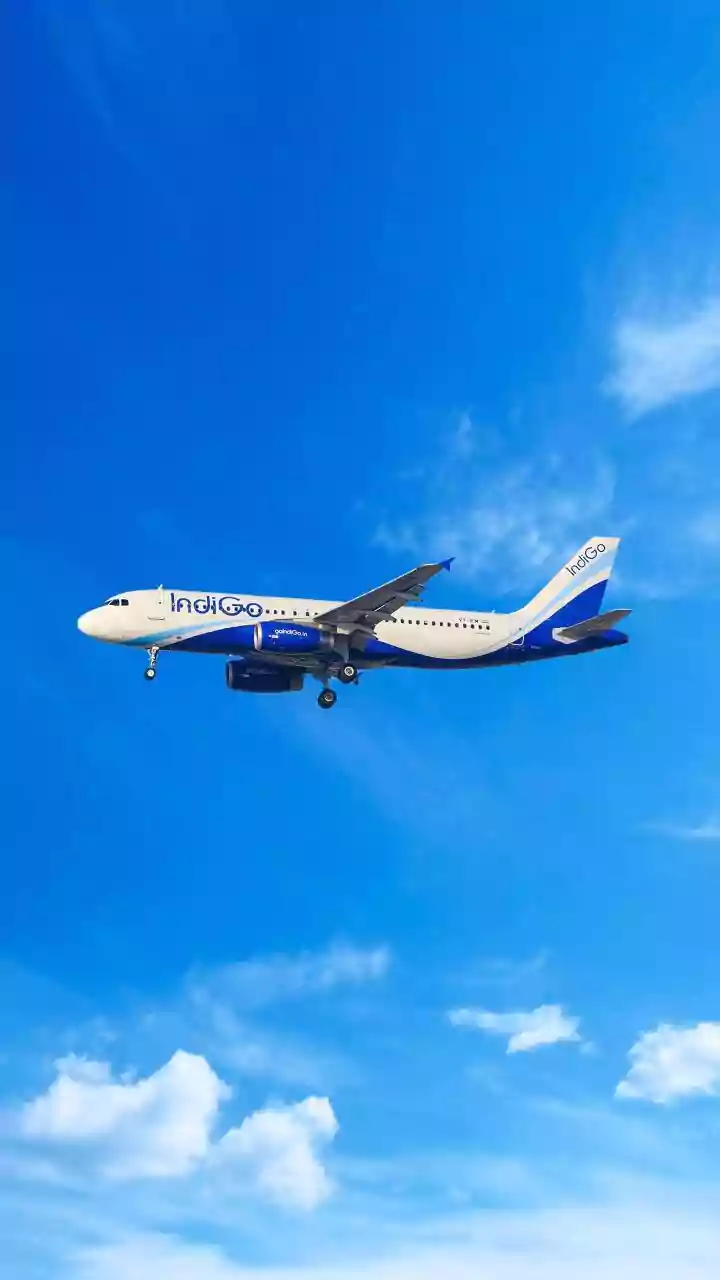
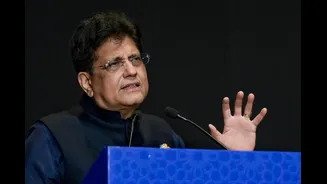
its new Tata Group ownership, placed a historic order for 470 aircraft. Not to be outdone, budget carrier IndiGo followed up with a record-breaking order for 500 Airbus A320-family jets. The newer entrant, Akasa Air, also has over 200 Boeing 737 MAX aircraft on order. According to Union Commerce and Industry Minister Piyush Goyal, India's total requirement exceeds 2,000 aircraft, signaling that another wave of large-scale procurement is on the horizon to fuel the nation's aviation ambitions.
The Grounding Crisis Paradox
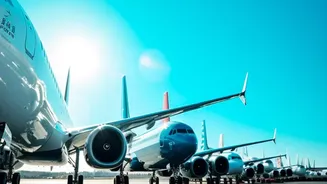
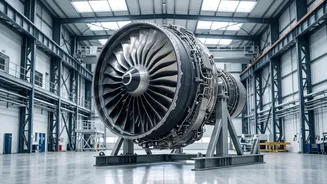
This ambitious expansion plan is taking place against the backdrop of a severe, ongoing fleet shortage. A significant number of aircraft belonging to Indian airlines are currently grounded, not due to a lack of demand, but because of persistent global supply chain issues and engine problems. The primary culprit has been issues with Pratt & Whitney (P&W) engines that power many Airbus A320neo aircraft, a workhorse of Indian domestic fleets. These engine troubles have led to operational disruptions, with carriers like IndiGo having dozens of planes out of service at any given time. The crisis was so acute that it was a major contributing factor to the bankruptcy of Go First, which also operated a P&W-powered fleet. Compounding the problem, both Airbus and Boeing are facing significant order backlogs, meaning deliveries for these massive new orders are spread out over the next decade, with some planes not scheduled to arrive until as late as 2034.
An Unstoppable Demand for Air Travel
The urgent need for more planes is being driven by India’s insatiable appetite for air travel. The country is already the world's third-largest domestic aviation market and is projected to be the fastest-growing major market globally. Forecasts predict the nation's commercial aircraft fleet will grow at an annual rate of 7.1% over the next decade. This boom is fueled by a rising middle class, increased economic activity, and government initiatives like the UDAN scheme, which has drastically improved regional connectivity by adding dozens of new airports in smaller cities. Passenger traffic has surged in the post-pandemic era, and the existing fleet is struggling to keep pace, making the addition of new aircraft not just a matter of expansion, but of necessity to maintain current service levels and prevent airfares from climbing further due to capacity constraints.
More Than Just Planes
Successfully integrating over a thousand new aircraft into the ecosystem involves more than just placing orders. It presents a host of downstream challenges that India must address. The country’s airport infrastructure, which has doubled from 74 to 159 operational airports in the last decade, must continue to expand rapidly to handle the increased traffic. Furthermore, the industry faces a potential shortage of skilled personnel. A massive influx of new planes will require a corresponding increase in the number of trained pilots, cabin crew, and maintenance, repair, and overhaul (MRO) engineers. Recognizing this, the government is also focusing on strengthening India's aircraft leasing and financing ecosystem to reduce reliance on foreign lessors and build a more self-sufficient aviation sector. These massive orders are a long-term bet, and their success hinges on building out the entire support system around them.