
The Daily Grind and Its Hidden Toll
For many young Indians, the start of a career is a high-stakes race. Long hours, intense competition, and the pressure to be constantly available create a stressful environment. This constant pressure keeps the body in a state of high alert, often referred
to as the 'fight-or-flight' response. This mode is designed for short-term emergencies, but when it becomes a daily default, it can lead to burnout, anxiety, and a feeling of being emotionally overwhelmed. Physical symptoms like stiff shoulders, a sore back from sitting, and tension headaches become common companions.
Yoga's Answer: Hacking Your Nervous System
This is where yoga offers a practical solution. It works by directly influencing your autonomic nervous system. Stress activates the sympathetic nervous system ('fight-or-flight'), releasing hormones like cortisol. Yoga, through a combination of physical postures, controlled breathing, and mindfulness, activates the parasympathetic nervous system, also known as the 'rest-and-digest' state. This shift actively lowers cortisol levels, reduces heart rate, and helps the body and mind return to a state of calm. Studies have shown that over 80% of yoga practitioners report feeling less stressed.
The Power of Conscious Breathing (Pranayama)
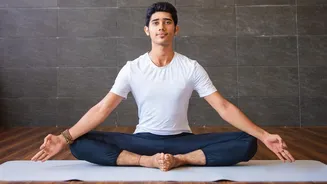
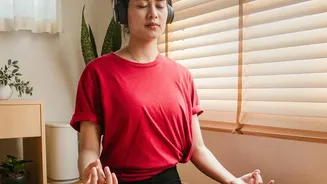
Perhaps the most powerful and immediate tool yoga offers for stress regulation is pranayama, or breathwork. When you're stressed, your breathing becomes shallow and rapid. By consciously slowing it down, you send a direct signal to your brain that it's safe to relax. A simple technique like 'Sama Vritti' or box breathing is incredibly effective. You simply inhale for a count of four, hold for four, exhale for four, and hold again for four. Another calming practice is 'Nadi Shodhana' or alternate nostril breathing, which is known to balance the nervous system and promote mental clarity. These techniques require no equipment and can be done discreetly at your desk to find a moment of peace.
Simple Poses for a Stressed Body
You don't need to be a flexibility expert to benefit from yoga's physical postures (asanas). A few simple stretches can provide immense relief from the physical strain of a desk job. A Seated Cat-Cow stretch, where you arch and round your spine while seated, can release tension in your back and shoulders. A gentle Seated Forward Bend, simply hinging at your hips and letting your upper body hang, can help calm the mind. To open up tight hips from sitting all day, the Chair Pigeon Pose, where you rest one ankle on the opposite knee, is excellent. These movements release stored physical tension, which is intrinsically linked to mental and emotional stress.
Building a Sustainable Practice
The goal isn't to become a master yogi overnight. The key to lasting benefits is consistency. Start small. Perhaps it's five minutes of deep breathing before your first meeting, or a few simple stretches during your lunch break. There are countless apps and online videos that can guide you. The aim is to build a small, sustainable habit that serves you. Over time, these moments of intentional calm compound, building your resilience to stress and helping you navigate your workday with greater ease and emotional stability. Remember that yoga is a personal journey, not a competitive sport; find what feels good for your body and mind.