






The Problem with 'One-Size-Fits-All'
The main issue with a static resume is that it's a blunt instrument in an era demanding precision. Most large companies in India and abroad now use Applicant Tracking Systems (ATS) to screen candidates, scanning for keywords from the job description.
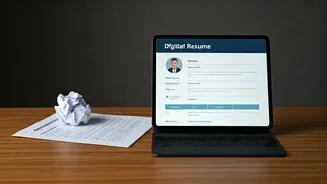
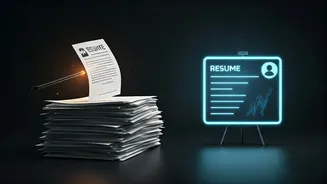
A generic resume, sent out en masse, is almost guaranteed to be filtered out before a human sees it. Beyond technology, a single document fails to tell a compelling story. It lists duties but rarely showcases impact or problem-solving skills—the very things recruiters want to see. In a sea of similar-looking PDFs, a static resume makes you blend in when you need to stand out.
What is a 'Dynamic' Approach?
Ditching the static resume means adopting a multi-faceted approach to presenting your professional self. This isn't about one document, but an entire strategy. The core components include a 'master resume' (a comprehensive document of all your skills), a strong LinkedIn profile, and a digital portfolio showcasing your work. The key practice is creating a unique, tailored resume for every single job application. This approach shifts the focus from passively sending a generic document to actively telling your career story in the most relevant way for each opportunity, ensuring your application resonates with both algorithms and hiring managers.
Building Your Digital Portfolio
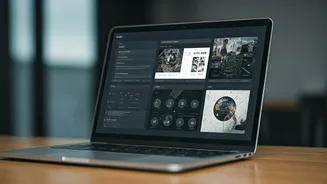
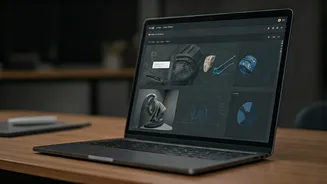
For many roles today—from creative fields like design to technical ones like software development—a portfolio is essential. A static resume says, "I have experience." A portfolio shows the project you managed, the code you wrote, or the campaign you designed, complete with outcomes and your process. This is the difference between telling and showing. Start simple. Use platforms like Behance for design, GitHub for code, or a personal blog to host case studies of your work. Each case study should briefly explain the problem, your specific actions, and the measurable result. This provides the concrete proof of your abilities that a bullet point on a resume never can.
The Power of Customisation
The most crucial part of a dynamic approach is tailoring your resume. Your 'master resume' is for your eyes only. Before applying, carefully read the job description and identify the top keywords related to skills and responsibilities. Then, create a new version of your resume specifically for that role. Rephrase your bullet points to mirror the language in the job post. Prioritise experiences that are most relevant. Does the role emphasize "client relationship management"? Make sure those words and corresponding achievements are prominent. This simple step ensures you pass the ATS scan and immediately signal to the recruiter that you are a strong fit.
Beyond the Document: Video and Branding
For those looking to truly stand out, especially in client-facing or creative roles, other tools can be incredibly effective. A short, 60-second video introduction can convey personality and communication skills in a way a written document cannot. Embedding a link to this video in your email or LinkedIn message can be a powerful differentiator. Similarly, building a professional brand on a platform like LinkedIn by sharing insightful content related to your industry positions you as an expert, not just a job seeker. Recruiters increasingly 'source' candidates from these platforms, meaning they find you, not the other way around.