




The Problem with Polished White Rice
For generations, polished white rice has been a cornerstone of Indian meals. It’s comforting, versatile, and quick to cook. However, the polishing process that gives it a soft texture and long shelf life strips away its most valuable components: the bran
and germ. What's left is a simple starch that is low in nutrients and, most critically, dietary fiber. A diet heavy in refined grains like white rice can lead to sharp spikes in blood sugar and lacks the roughage needed to maintain a healthy digestive system. Over time, this can contribute to issues like constipation, an imbalanced gut microbiome, and a feeling of sluggishness.
Why Fiber Is Your Gut's Best Friend
Think of dietary fiber as the fuel for your gut. Unlike other foods, fiber passes through the digestive system largely undigested until it reaches the large intestine. There, it becomes food for the trillions of beneficial bacteria that make up your gut microbiome. These microbes ferment the fiber, producing short-chain fatty acids (SCFAs) that nourish the colon lining, reduce inflammation, and support your immune system. A high-fiber diet promotes regular bowel movements, prevents constipation, and helps you feel fuller for longer, which can aid in weight management. Millets are an exceptional source of this essential nutrient.
Meet Foxtail Millet (Kangni/Thinai)
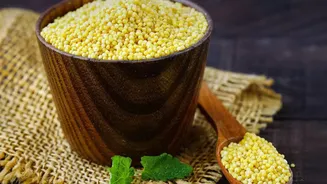
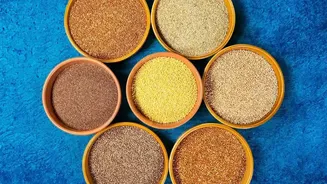
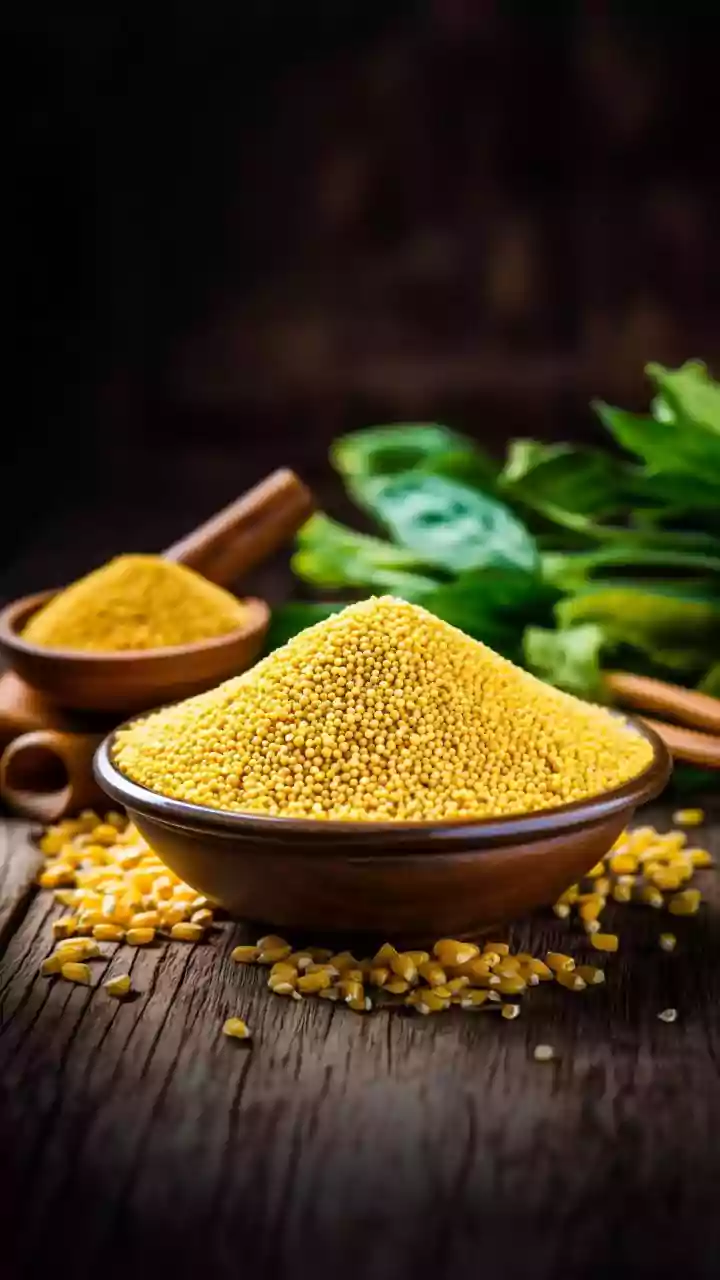
Foxtail millet, known as Kangni in Hindi or Thinai in Tamil, is a small, yellow grain that is a nutritional powerhouse. Compared to polished white rice, it contains significantly more dietary fiber—around 8 grams per 100g compared to less than 0.5g in white rice. This high fiber content is crucial for promoting digestive health, preventing constipation, and feeding good gut bacteria. Furthermore, foxtail millet has a low glycemic index, which means it releases sugar into the bloodstream slowly, preventing energy crashes and making it an excellent choice for blood sugar management. It is also rich in protein, iron, and calcium, supporting everything from muscle health to bone strength.
Introducing Sorghum (Jowar)
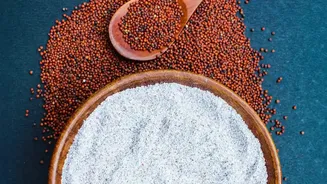
Sorghum, or Jowar, is another ancient grain making a well-deserved comeback. This gluten-free millet is celebrated for its high fiber content, which promotes regular bowel movements and helps prevent digestive issues like bloating and gas. Per 100g, Jowar contains about 6.7g of dietary fiber. It acts as a prebiotic, nurturing a healthy and diverse gut microbiome. Beyond fiber, sorghum is packed with antioxidants, particularly polyphenols, which help reduce inflammation throughout the body, including in the gut. It’s also a good source of protein, iron, and B vitamins, which contribute to sustained energy levels and overall vitality.
Making the Switch: How to Use These Millets
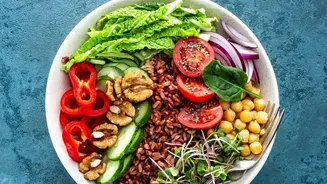
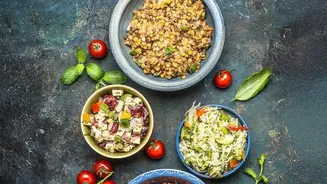
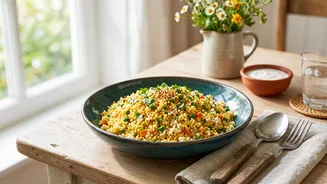
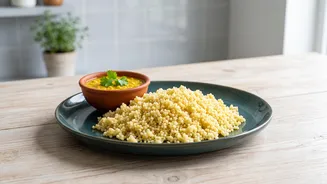
Switching from rice to millets doesn't have to be complicated. The key is to start gradually. Begin by replacing one rice meal a day with a millet-based dish. Both foxtail millet and sorghum have a mild, slightly nutty flavour that works well in familiar recipes. You can cook them just like rice to be served with dal and sabzi. Foxtail millet is excellent for making upma, pulao, or a comforting porridge (kanji). Jowar is traditionally used as a flour to make rotis, but the whole grain can also be boiled and used in salads or as a rice substitute. For best results, it's recommended to rinse and soak the millets for at least 30 minutes to a few hours before cooking; this softens the grain and makes it easier to digest.
Beyond Gut Health: More Reasons to Love Millets
While improved digestion is a primary benefit, the advantages of millets extend much further. Their high protein and fiber content contribute to greater satiety, helping with weight management by keeping you full and reducing cravings. The rich mineral profile, including magnesium and potassium, supports heart health by helping to regulate blood pressure. The steady energy release from these complex carbohydrates also prevents the mid-afternoon slump often associated with high-GI foods like white rice. By making this simple swap, you are not just improving one aspect of your health, but investing in your overall, long-term well-being.