




The Sun’s Cosmic Cannonballs
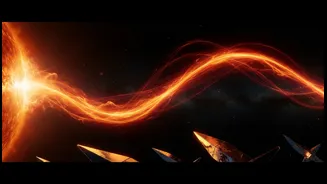
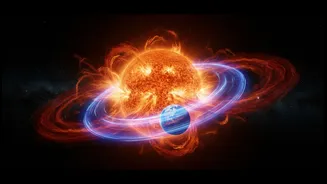
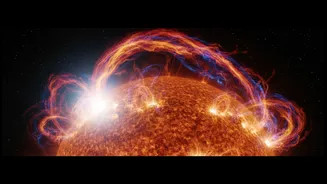
The “explosions” in question are primarily solar flares and coronal mass ejections (CMEs). A solar flare is an intense burst of radiation erupting from the sun's surface. A CME is even more dramatic: a massive cloud of magnetised plasma and radiation hurled
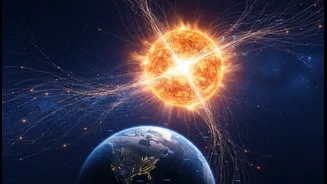
into space. These events are driven by the sun's complex and tangled magnetic fields, which can snap and reconnect, releasing colossal amounts of energy. While Earth's magnetic field and atmosphere shield us from the worst effects, spacecraft and astronauts venturing beyond this protective bubble are dangerously exposed. Leaving this cosmic safe harbor is like sailing into the open ocean during a hurricane.
A Clear and Present Danger in Deep Space
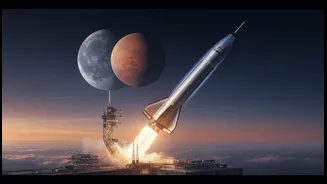
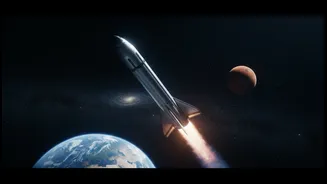
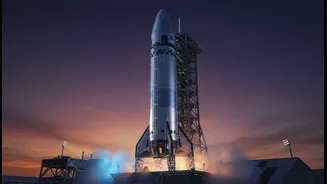
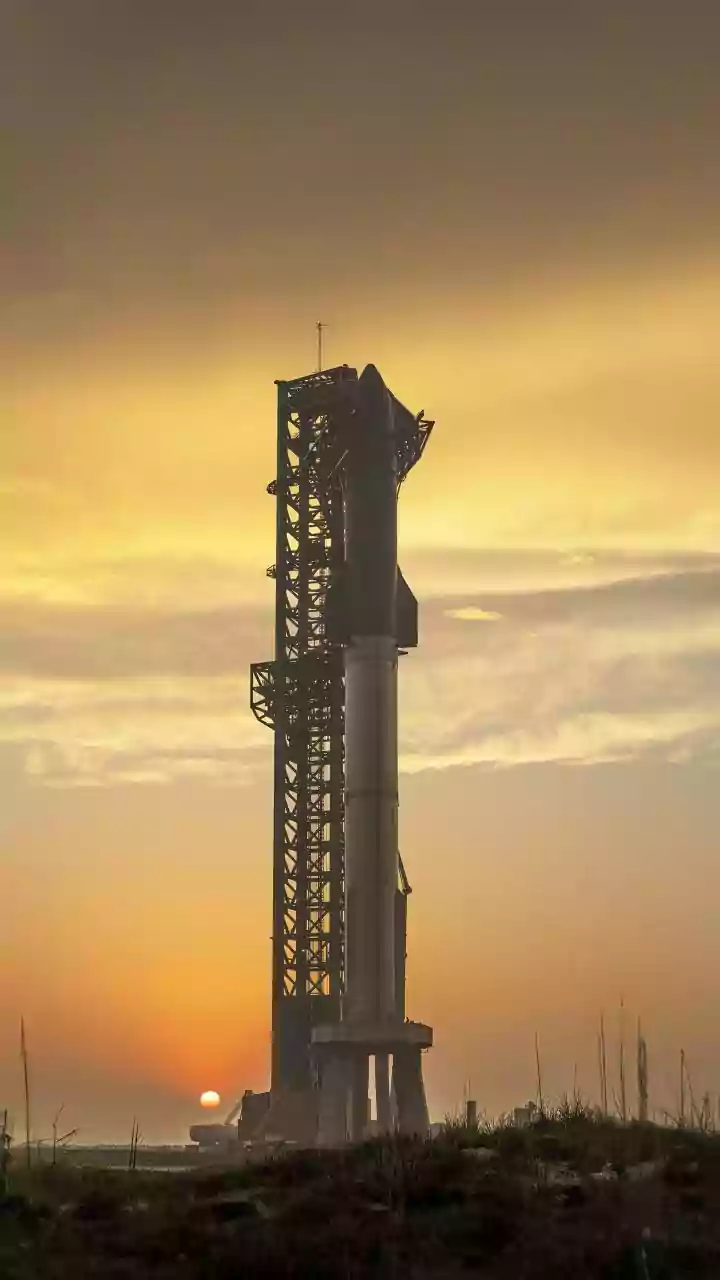
For future missions like Artemis, which aims to establish a long-term presence on the Moon, space weather is a critical threat. A powerful solar particle event can unleash a torrent of high-energy protons. If caught unprotected in deep space or on the lunar surface, an astronaut could receive a dose of radiation high enough to cause severe sickness or even death. These particles can pierce spacecraft, damage sensitive electronics, degrade solar panels, and disrupt vital communications with Earth. In February 2022, a solar storm was blamed for the loss of 40 newly launched Starlink satellites, highlighting the economic risks to our growing orbital infrastructure. A historic solar event in 1972, occurring between the Apollo 16 and 17 missions, would have posed a lethal threat to the astronauts had they been on the Moon at the time.
Our Eyes on the Erupting Star
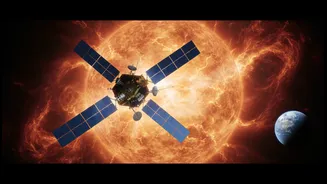
To counter this threat, an international fleet of eyes is constantly fixed on the sun. Missions like NASA's Parker Solar Probe and the European Space Agency's Solar Orbiter are flying closer to our star than ever before, gathering unprecedented data. The Parker Solar Probe has made history by flying through the sun's upper atmosphere, directly observing the processes like magnetic reconnection that power these eruptions. These probes work in concert with Earth-orbiting observatories like the Solar Dynamics Observatory to provide a comprehensive view of solar activity. This data allows scientists to understand the fundamental physics of solar explosions, which is the first step toward accurately predicting them.
From Prediction to Protection
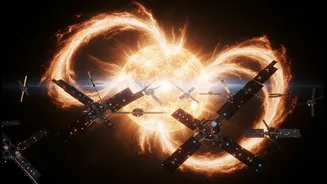
The ultimate goal is to create reliable space weather forecasts, much like we have for weather on Earth. By analyzing satellite imagery and sunspot activity, researchers are developing models, some using artificial intelligence, that can provide warnings of incoming solar storms, potentially up to 24 hours in advance. This lead time is crucial. It gives mission controllers time to power down sensitive systems and allows astronauts to take shelter in specially shielded areas within their spacecraft, such as the Orion capsule's dedicated storm shelter. Engineers are also designing more resilient spacecraft and developing new materials for shielding. For long-term protection of Earth's infrastructure, some scientists are even modeling ambitious concepts like "StormWall," a proposed fleet of satellites that could actively reinforce Earth's magnetic field by releasing materials into space.