






What Are the Orionid Meteors?
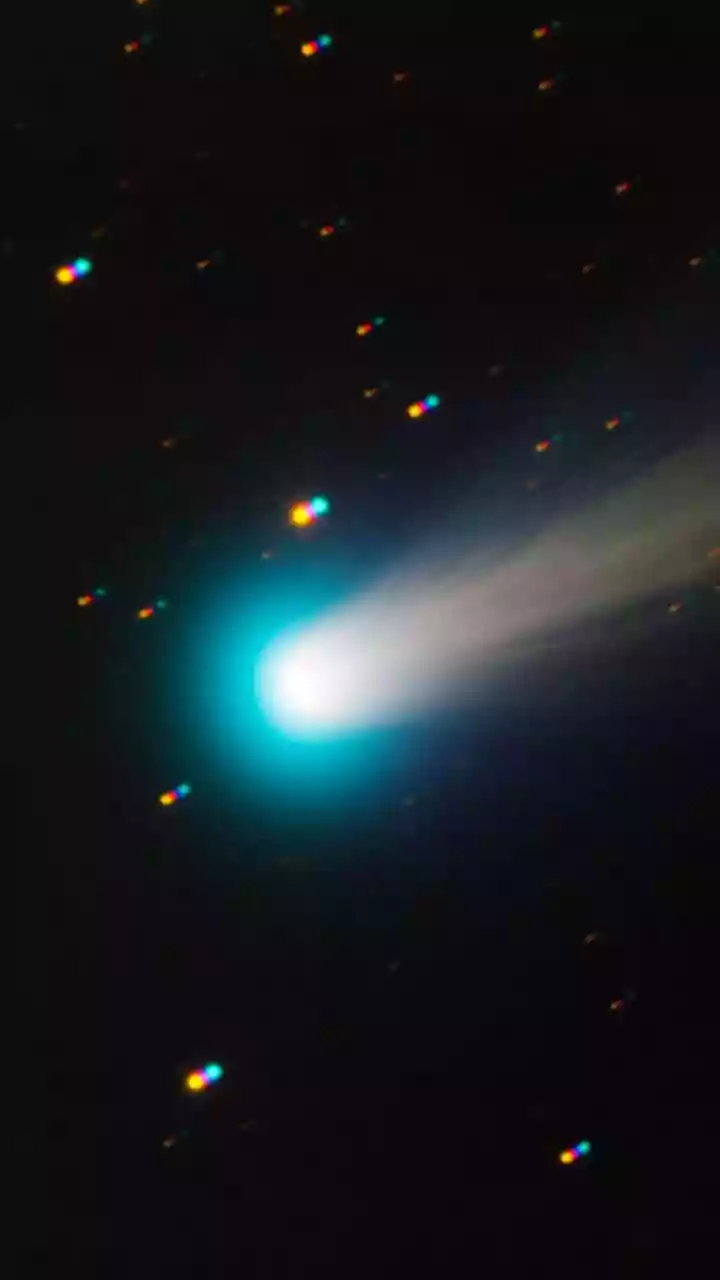
The Orionid meteor shower is one of the most beautiful of the year. Its claim to fame is its parentage: the meteors are tiny pieces of dust and ice shed by Halley's Comet (1P/Halley), the most renowned comet in history. Every October, Earth passes through
this stream of debris. As these particles, some no bigger than a grain of sand, hit our atmosphere at incredible speeds—around 66 kilometres per second—they burn up, creating the spectacular streaks of light we call meteors or shooting stars. The Orionids are known for their speed and brightness, and they often leave behind glowing 'trains' that can linger in the sky for a few seconds after the meteor has vanished.
Best Dates and Times to Watch in India
The Orionid meteor shower is active from early October to early November, but the best time to watch is during its peak. For viewers in India and across the globe, the peak of the 2026 Orionids will occur on the night of October 21-22. The most rewarding viewing will be in the hours after midnight until just before dawn. This year, there is a challenge: a bright waxing gibbous Moon will be in the sky for the first part of the night, which can wash out fainter meteors. However, the Moon sets a few hours before sunrise. Therefore, your best bet is to set an alarm and head out between roughly 3 a.m. and 5:30 a.m. local time, when the sky will be at its darkest.
Where to Look in the Sky
The shower gets its name because the meteors appear to radiate from a point in the constellation Orion, the Hunter. You can find Orion in the eastern sky after it rises around 10:30 p.m. local time, and it will be highest in the sky in the pre-dawn hours. The constellation is easily recognisable by the three bright stars that form Orion's belt. However, you don’t need to stare directly at the radiant. In fact, it’s better not to. The meteors can appear anywhere in the night sky, and those that appear farther from the radiant will have longer, more dramatic trails. The best approach is to find a comfortable spot, lie back, and take in as much of the sky as possible.
Viewing From Indian Cities: The Light Pollution Problem
The biggest obstacle for stargazers in urban areas like Delhi, Mumbai, or Bengaluru is light pollution. The glow from streetlights, buildings, and vehicles creates a bright haze that dramatically reduces the number of visible meteors. Under perfect, dark-sky conditions, the Orionids can produce around 20-25 meteors per hour. From a light-polluted city, you should set your expectations lower; you might only see the very brightest ones. However, it's not impossible. With some planning, you can still catch a part of the celestial show without leaving the city limits.
Tips for Urban Meteor Watchers
To maximise your chances of seeing meteors from a city, the first rule is to find the darkest possible spot. This could be a large park, a sports ground, or a rooftop with an unobstructed view that is shielded from direct streetlights. Turn off all lights around you, including your phone screen. Your eyes need about 20-30 minutes to fully adapt to the dark, and looking at a bright screen will ruin your night vision. Be patient; meteors often come in spurts. You don't need a telescope or binoculars, as they limit your field of view; your naked eyes are the best tool for this job. The key is to find a safe, dark location and give yourself plenty of time.
For the Best Experience: Get Out of Town
While city viewing is possible, there is no substitute for a truly dark sky. For the most memorable experience, consider a short trip away from the city lights. Even driving an hour away from a major urban centre can make a huge difference. Locations on the outskirts of your city, hill stations, or designated dark-sky locations are ideal. In India, places away from industrial and urban clusters will offer a clearer canvas for the stars. The goal is simple: find a location with a wide, open view of the sky, far from the bright glow of civilisation. Check local weather forecasts before you go, as clear skies are essential for any successful meteor watch.